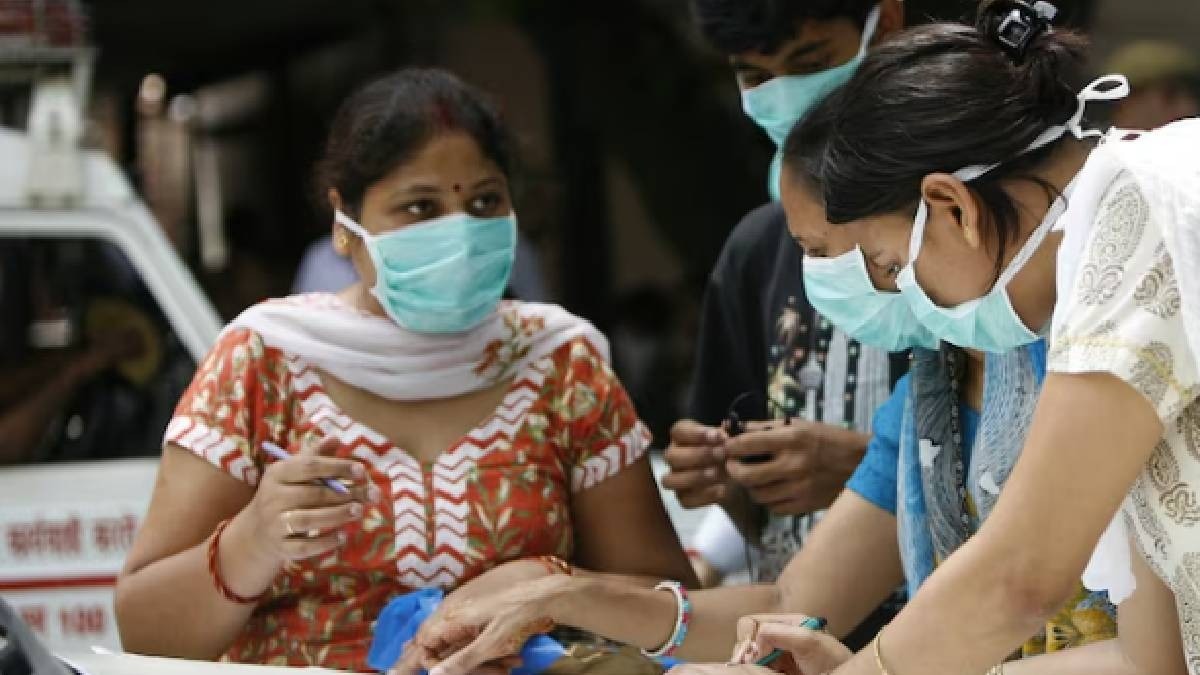
Dr. Suranjit Chatterjee of Indraprastha Apollo Hospital has highlighted that poor influenza vaccine coverage is a primary reason for the spike in H1N1 cases during the monsoon season. He emphasizes early diagnosis and timely antiviral treatment.
In a recent high-level medical panel discussion focusing on seasonal illnesses during the monsoon, Dr. Suranjit Chatterjee, Senior Consultant of Internal Medicine at Indraprastha Apollo Hospital in Delhi, raised alarms regarding the escalating numbers of H1N1 influenza cases.
Dr. Chatterjee pointed out a significant diagnostic challenge: the clinical difficulty in distinguishing H1N1 from standard viral fevers. Both conditions present with nearly identical symptoms, including fever, cough, sore throat, and generalized body aches, often leading to delays in appropriate specialized care.
Why This Matters
BozokMedia analysis shows that while medical technology has advanced, preventive healthcare measures, particularly immunization, remain underutilized in the Indian demographic. Addressing this gap is vital to controlling seasonal outbreaks. According to Dr. Chatterjee, "One of the reasons why I think the numbers are higher because our influenza or the flu vaccine coverage is poorer." Increasing these vaccination rates is seen as a primary strategy to curb the spread and reduce the severity of swine flu infections.
Increasing vaccination rates could significantly reduce swine flu cases and lower infection severity.
Beyond prevention, the expert highlighted the critical importance of the 'golden hour' in antiviral treatment. He noted that medications such as Oseltamivir provide the maximum clinical benefit when administered early, especially in high-risk or vulnerable age groups, immediately upon clinical suspicion of the virus.
Historical Background
H1N1, commonly known as swine flu, has been a recurring seasonal threat in India. While global health protocols have improved since the 2009 pandemic, the seasonal surge during monsoon months continues to strain healthcare facilities, making public awareness about preventive immunization a recurring necessity.
Frequently Asked Questions
1. How can I tell if I have H1N1 instead of a common cold?
It is difficult to tell based on symptoms alone; clinical testing is often required to confirm H1N1.
2. Why is early treatment important for H1N1?
Early administration of antivirals like Oseltamivir can significantly reduce the duration and severity of the illness.