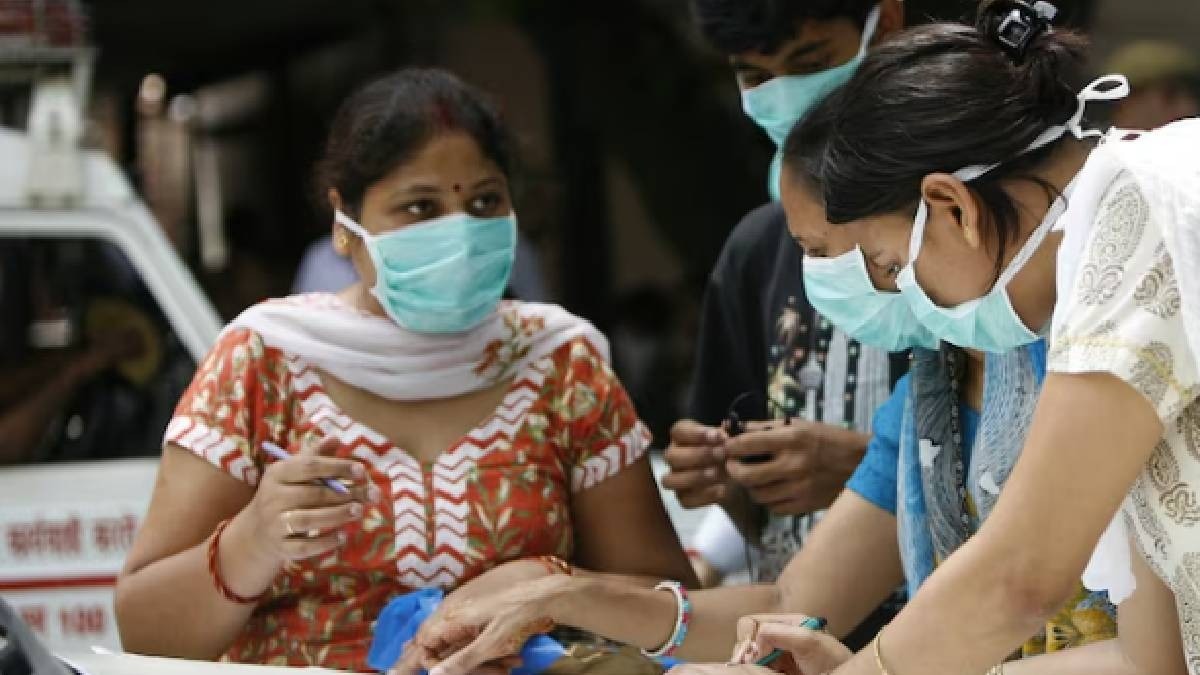
While H1N1 influenza cases in Karnataka have crossed the 4,200 mark, health authorities maintain that this is a routine seasonal spike rather than an unusual outbreak.
- Karnataka has recorded 4,212 laboratory-confirmed H1N1 cases across 32 districts.
- Health Minister U T Khader confirms adequate medical infrastructure and supplies are ready.
- ICMR clarifies that the circulating virus is an old strain, not a new mutation.
The state of Karnataka is witnessing a significant rise in H1N1 influenza cases, with the tally reaching 4,212 as of late August. Despite the rising numbers, the state health department has issued a reassuring statement, clarifying that there is no unusual outbreak, but rather a predictable seasonal trend.
Statistical Breakdown of Influenza Cases
According to surveillance data from the Integrated Health Information Platform (IHIP), the current numbers show a fluctuating pattern compared to previous years. While the numbers are rising, they remain below the peak seen in 2025.
| Year | H1N1 Confirmed Cases |
|---|---|
| 2024 | 3,903 |
| 2025 | 4,583 |
| 2026 (Current) | 4,212 |
Health Minister U T Khader, following a high-level review meeting, emphasized that the state's healthcare system is prepared. He noted that essential medicines and medical infrastructure are strategically placed to manage the influx of patients across all 32 districts.
Why This Matters
BozokMedia analysis shows that managing seasonal respiratory viruses requires a dual approach of robust surveillance and public composure. The data indicates that while the current volume is high, the health department's proactive stance on resource allocation is vital to prevent the seasonal peak from turning into a crisis.
The Indian Council of Medical Research (ICMR) has confirmed that the H1N1 virus currently in circulation is an old strain, meaning there is no immediate threat from a new mutation.
The concern has been heightened by recent local incidents, such as the temporary closure of Clarence High School in Bengaluru. The school, hosting approximately 2,500 students, was forced to shut down temporarily after confirmed cases and significant absenteeism were reported among students and staff.
Historical Context of Seasonal Flu
In Karnataka, influenza typically follows a bimodal seasonal pattern. The first peak usually occurs between January and March, while the second, more significant peak, coincides with the monsoon season between July and September. This pattern is driven by environmental changes that facilitate viral transmission.
Precautionary Measures for Citizens
Health officials have urged the public to remain calm and follow standard hygiene protocols to mitigate the spread:
- Do's: Cover your mouth and nose when coughing, wash hands frequently, and stay hydrated.
- Don'ts: Avoid touching your face, refrain from self-medication, and avoid crowded places if feeling unwell.
Frequently Asked Questions
1. Is there a new strain of H1N1 spreading in Karnataka?
No, the ICMR has stated that the current cases are due to an old strain of the virus.
2. What should I do if I show symptoms of H1N1?
You should visit the nearest government health facility immediately and avoid self-medication.