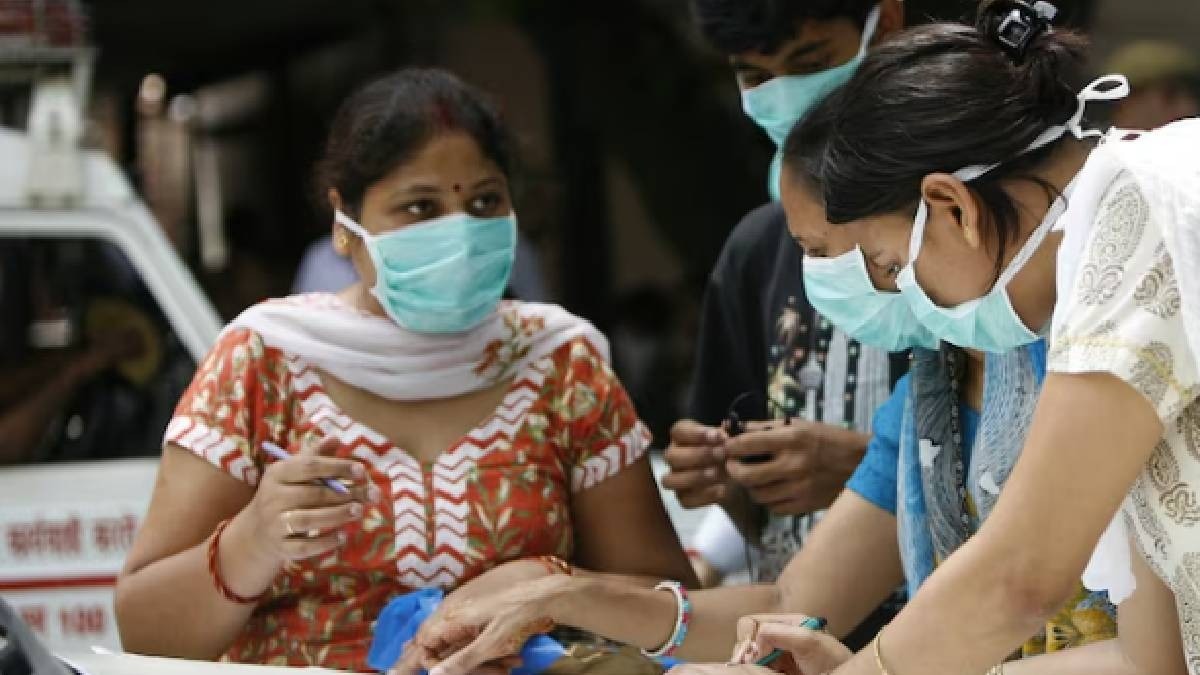
Delhi is witnessing a massive spike in H1N1 influenza cases, with medical experts highlighting children and the elderly as the most vulnerable groups.
- H1N1 influenza cases in Delhi have surged more than six-fold.
- Children and the elderly are identified as the highest-risk demographics.
- ICMR confirms no new or more dangerous variants have been detected yet.
The national capital, Delhi, is grappling with a significant public health challenge as H1N1 influenza (Swine Flu) cases have seen a massive spike. Recent reports indicate a more than six-fold increase in infections, prompting health officials to remain on high alert.
Medical professionals have issued urgent warnings, noting that while the virus can affect anyone, children and the elderly are at the highest risk of developing severe complications. The surge is placing additional pressure on local healthcare facilities, particularly in respiratory care units.
Why This Matters
BozokMedia analysis shows that the rapid escalation in urban centers like Delhi is often linked to high population density and increased mobility. The current trend underscores the need for robust surveillance and early intervention to prevent a larger-scale outbreak.
Experts urge citizens to maintain caution and hygiene rather than succumbing to panic, as the current strain remains manageable.
Crucially, the ICMR (Indian Council of Medical Research) has stated that no new or more virulent strain of H1N1 has been detected in India. This provides some reassurance, though the sheer volume of cases necessitates vigilance.
Historical Background
The H1N1 virus gained global notoriety during the 2009 Swine Flu pandemic. The lessons learned from that era, combined with the global experience of the COVID-19 pandemic, have reshaped how India responds to respiratory viral surges, focusing on rapid testing and containment.
The situation is not isolated to the capital; neighboring states like Haryana have already implemented 100% flu testing mandates to curb the spread, reflecting a regional concern over the escalating numbers.
Frequently Asked Questions
Question 1: What are the common symptoms of H1N1?
Answer: Common symptoms include high fever, cough, sore throat, body aches, and fatigue.
Question 2: How can I prevent infection?
Answer: Practice frequent handwashing, wear masks in crowded areas, and seek medical advice immediately if symptoms appear.