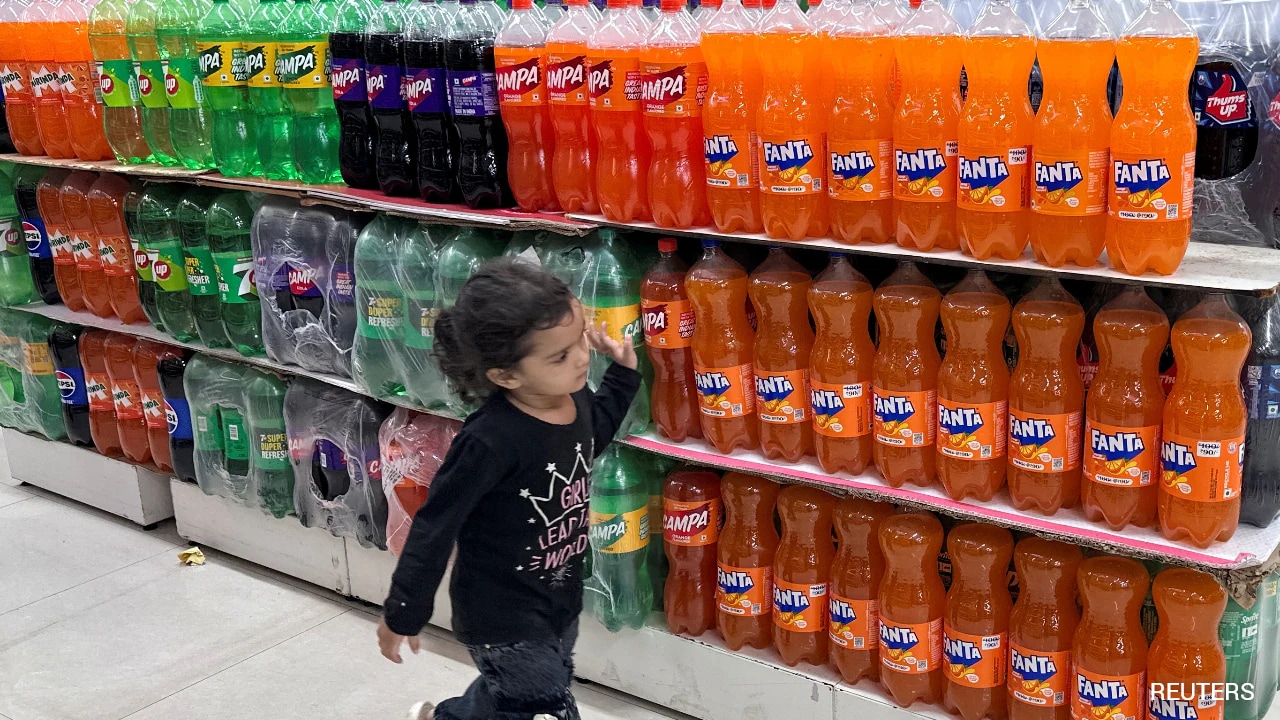
The FSSAI has reconsidered its plan to mandate warning labels on unhealthy snacks and sugary drinks following intense lobbying from major food corporations. Industry leaders argued that such labels would cause consumer confusion.
- FSSAI was considering mandatory warning labels for sugary and fatty foods.
- Major food giants, including Coca-Cola and Nestle, pushed back against the move.
- Industry executives claim warning labels are ineffective and confusing for consumers.
The Food Safety and Standards Authority of India (FSSAI) has faced a significant setback in its attempt to implement mandatory warning labels on unhealthy food products. The proposal aimed to place 'red flags' on sugary beverages and high-fat snacks to alert consumers to potential health risks.
Following a high-stakes meeting in March, the regulatory body appeared to buckle under pressure from industry executives. The food giants argued that such labels would be counterproductive, asserting that they would create confusion among consumers rather than promoting healthier choices.
Why This Matters
BozokMedia analysis shows that this conflict highlights the growing tension between global food corporations and public health regulators. As India grapples with rising rates of obesity and diabetes, the ability of the government to regulate processed foods without facing massive industrial resistance is being put to the test.
The battle over food labeling is a defining struggle between corporate profitability and the fundamental right to public health information.
While major players like Coca-Cola and Nestle declined to comment specifically on this development, their influence on food policy remains a subject of intense scrutiny. The industry's stance suggests that they view mandatory warnings as a direct threat to market perception and consumer behavior.
Historical Background
Global health organizations, including the World Health Organization (WHO), have consistently advocated for clearer front-of-pack labeling (FOPL). Countries like Chile have successfully implemented black warning seals on unhealthy products, serving as a global benchmark for how such regulations can effectively shift consumer habits.
Frequently Asked Questions
1. What are 'Red Flag' labels?
They are warning symbols placed on food packaging to alert consumers to high levels of sugar, salt, or unhealthy fats.
2. Why did the food industry oppose this?
Industry representatives claim that these labels are confusing and do not effectively improve dietary habits.