Karnataka's Food Safety and Drug Administration has revoked the food licences of Amazon, Bigbasket and Swiggy Instamart for selling toxic datura fruits and seeds as food items. Experts warn that the plant’s alkaloids can cause severe poisoning, organ damage, and even death if ingested unintentionally.
- Karnataka halted food licences of Amazon, Bigbasket and Swiggy Instamart over datura sales
- Datura contains potent tropane alkaloids – atropine, scopolamine, hyoscyamine
- Accidental ingestion can lead to anticholinergic poisoning, cardiac issues, hallucinations, and seizures
What Is Datura?
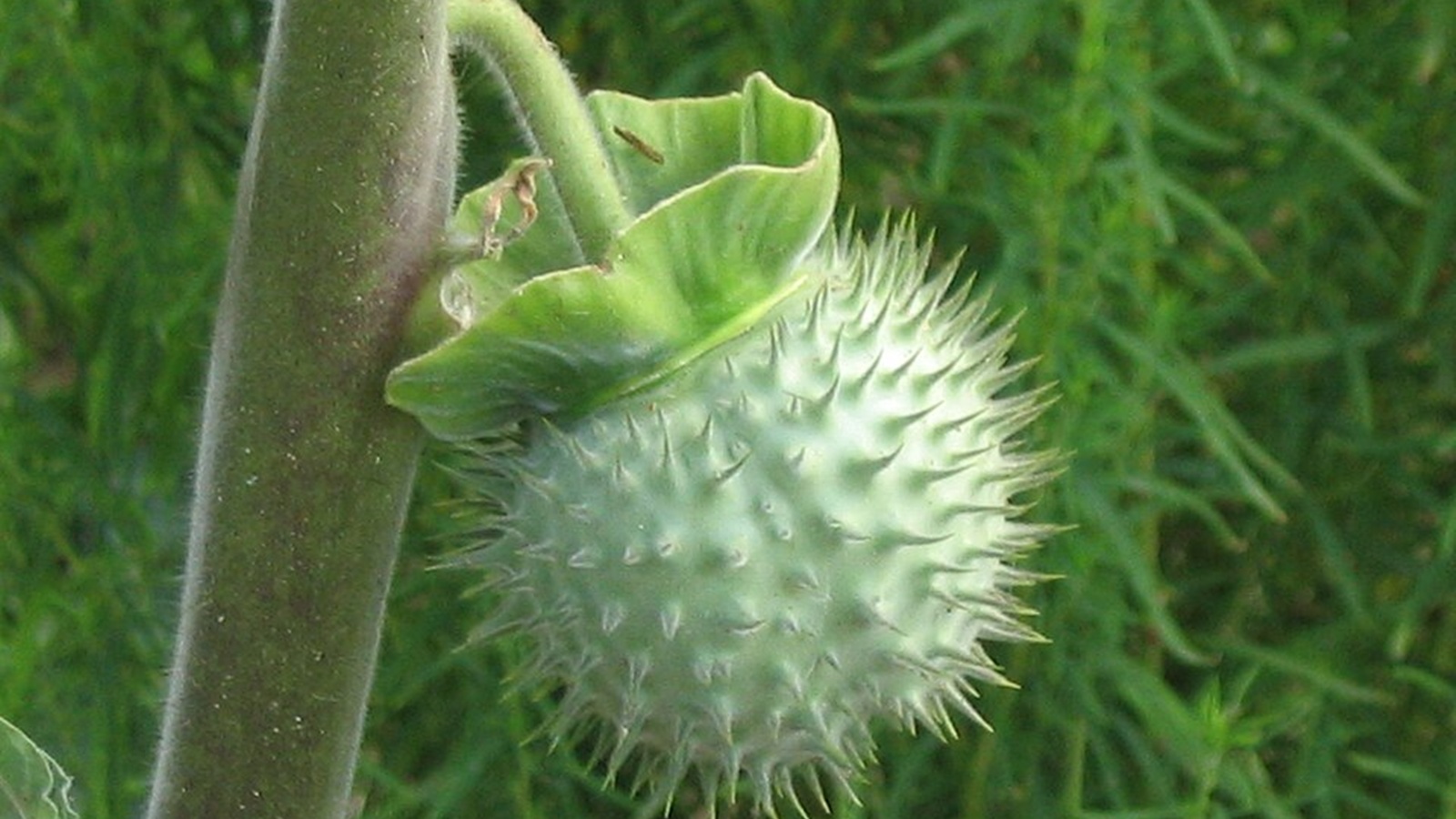
Datura, also known as thorn‑apple or devil’s trumpet, belongs to the nightshade family. All parts of the plant – seeds, leaves, fruits and flowers – naturally produce toxic tropane alkaloids such as atropine, scopolamine and hyoscyamine, which affect the brain, heart, eyes and nervous system.
Why Karnataka Took Action
The issue erupted when a Bangalore‑based Instagram user posted a video showing free datura seeds included with a Swiggy Instamart order. Following the viral clip, the Karnataka Food Safety and Drug Administration (KFSDA) issued an order demanding immediate removal of every datura‑related listing and suspending the platforms’ food licences.
Health Risks of Consuming Datura
According to Dr. Aravinda S N, Lead Consultant – Internal Medicine at Aster RV Hospital, ingesting any part of the plant can cause anticholinergic poisoning. Early signs include dry mouth, intense thirst, difficulty swallowing, blurred vision and dilated pupils. As toxicity progresses, victims may experience rapid heartbeat, flushed skin, urinary retention, dizziness and loss of coordination.
Severe Outcomes
In higher doses or vulnerable individuals (children, elderly), the poisoning can advance to confusion, agitation, vivid hallucinations, delirium, seizures, life‑threatening arrhythmias, loss of consciousness and respiratory failure. The severity depends on the amount consumed, the plant part, and the person’s overall health.
Historical Background
Datura has a long‑standing, ambivalent role in Indian tradition. It appears in temple rituals and ancient Ayurvedic texts, where it is used in highly controlled medicinal preparations. Modern misuse stems from a lack of awareness that the plant, safe only under strict dosage, becomes lethal when treated as a casual food item.
Why This Matters
BozokMedia analysis shows that the unchecked sale of toxic botanicals on fast‑delivery platforms poses a new frontier for food‑safety regulators, especially in a digital‑first market like India where consumers often trust app‑based listings without verification.
“Selling datura as a free food item is a reckless breach of public health standards,” warns Dr. Aravinda.
Frequently Asked Questions
Question 1: What should I do if I accidentally eat datura?
Answer: Seek immediate medical attention; do not wait for symptoms to appear.
Question 2: Are there any government campaigns to educate the public about datura?
Answer: Karnataka’s recent enforcement is the first major step, and further awareness drives are being planned by state health agencies.