Cellulitis is a bacterial skin infection that can lead to severe complications if left untreated. Learn about the risks, symptoms, and how to prevent it.
- Cellulitis is primarily caused by Streptococcus and Staphylococcus bacteria.
- Risk factors include skin wounds, diabetes, and compromised immune systems.
- Untreated infections can spread to the bloodstream and lymph nodes.
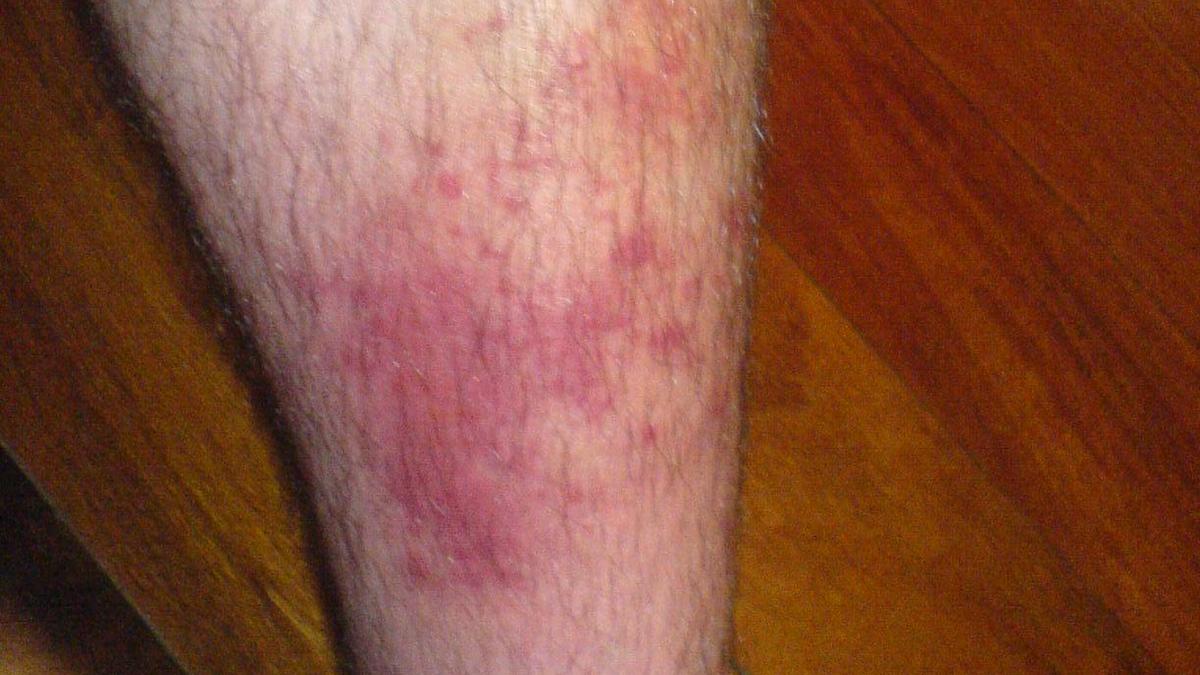
Cellulitis is a widespread bacterial infection that targets the deeper layers of the skin and the underlying subcutaneous tissues. While it can manifest on the face, arms, or hands, it most frequently affects the lower limbs, including the legs, feet, and toes. The infection typically gains entry through broken skin, such as cuts, scrapes, or insect bites.
Recognizing the Symptoms
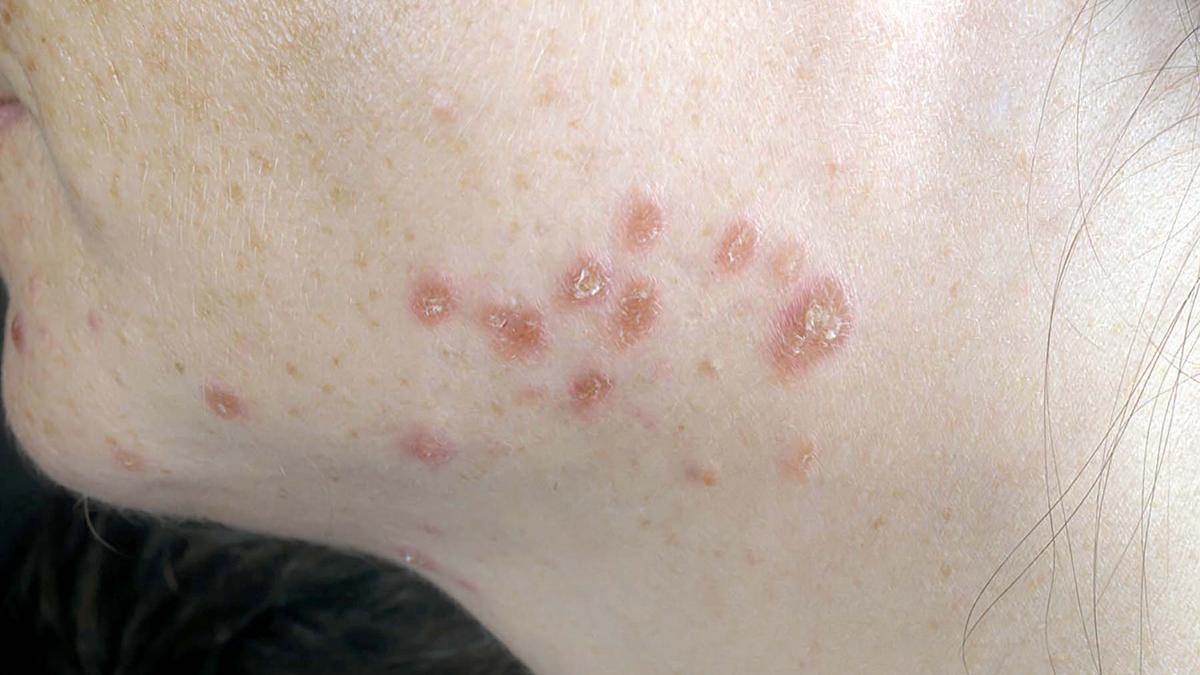
The early signs of cellulitis include skin discoloration and warmth in the affected area. As the bacterial load increases, the area typically becomes swollen, tender, and darker in color. Patients may also experience systemic symptoms such as:
- Fever and chills
- Extreme fatigue
- Blisters filled with fluid
- Skin dimpling or pitting
Prompt medical intervention is vital to prevent a localized skin infection from becoming a systemic life-threatening emergency.
Why This Matters
BozokMedia analysis shows that delayed diagnosis is a major contributor to severe cellulitis complications. If the bacteria penetrate the lymphatic system or enter the bloodstream, it can lead to sepsis, a medical emergency requiring intensive hospitalization and intravenous antibiotics.
Clinical Insights and Demographics in India
According to an observational study published in The International Journal of Lower Extremity Wounds, cellulitis is prevalent among working-age men in India, with a mean age of approximately 36 years. The study highlighted that 50% of cases were linked to physical trauma, particularly in those performing field jobs. Other significant comorbidities identified include diabetes mellitus and smoking.
Treatment and Recovery Timeline
The standard treatment involves a prescribed course of oral antibiotics. In severe instances, hospitalization for IV antibiotics is mandatory. A 2023 multi-center clinical study noted that while swelling and inflammation markers typically reduce within 10 days of antibiotic administration, residual discomfort and pain can persist in a significant percentage of patients.
Frequently Asked Questions
1. Can cellulitis be treated at home?
While home care like elevation and warm compresses can help, it must be done alongside prescribed medical antibiotics.
2. How can I prevent a recurrence?
Maintaining strict skin hygiene, trimming nails carefully, and keeping wounds clean are essential preventive measures.