Allergies are more than just mild rashes; they can trigger life-threatening anaphylactic shock. Experts emphasize the urgent need for better awareness and specialized research in the Indian context.
- Allergy symptoms range from mild skin irritation to life-threatening respiratory failure.
- Common triggers include medications, dust, pollen, and even insect bites.
- Early diagnosis is critical to prevent severe anaphylactic reactions.
For millions of Indians, an allergy might be a mere nuisance—a sneeze here, an itch there. However, for others, routine exposure to everyday substances can spiral into a terrifying medical crisis. From ant bites to common medications, the spectrum of allergic reactions is vast and often unpredictable.
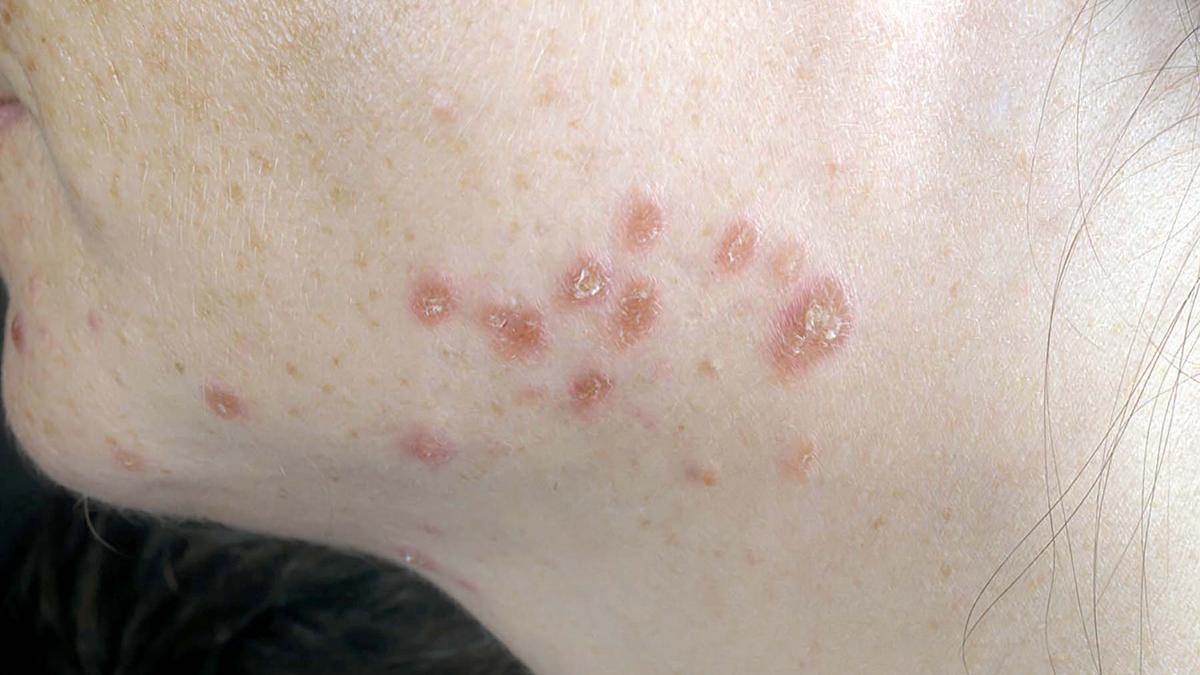
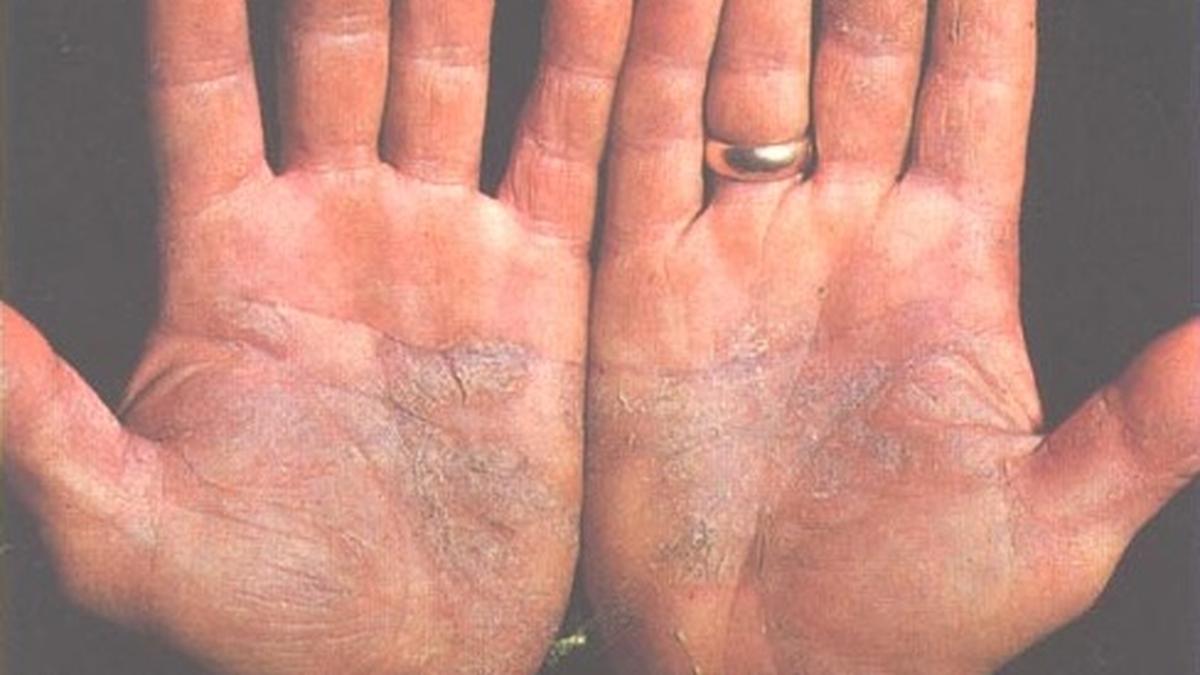
The stories of residents in Chennai highlight the gravity of the situation. R. Neelakandan, following open-heart surgery, suffered from persistent rashes due to a prescribed medication. After two years of expensive and ineffective treatments costing nearly ₹25,000 a month, a correct diagnosis finally brought his expenses down to under ₹2,000, proving that proper identification is key to management.
Why This Matters
BozokMedia analysis shows that the rising incidence of allergies in India is becoming a significant public health concern. Misdiagnosis not only leads to immense financial strain on families but can also delay life-saving interventions during acute episodes.
Another harrowing case is that of H. Deepalakshmi, a schoolteacher, whose blood pressure plummeted following a simple ant bite. This near-fatal incident underscores the phenomenon of anaphylaxis, where the body's immune response becomes so aggressive that it threatens vital functions like breathing and circulation.
Allergies can affect virtually every system in the body, manifesting as skin issues, sinus disease, or bronchial asthma.
According to Chennai-based specialist Dr. R. Sridharan, these reactions are mediated by Immunoglobulin E (IgE) antibodies. When the immune system misidentifies a substance as a threat, it releases histamine, causing blood vessels to dilate and tissue permeability to increase. In severe cases, this leads to a sudden drop in blood pressure and shock.
Comparison: Allergy Manifestations
| Type of Allergy | Common Triggers | Primary Symptoms |
|---|---|---|
| Allergic Rhinitis | Dust, Pollen, Air Pollutants | Sneezing, Congestion, Itchy Nose |
| Skin Allergies | Medication, Insects, Mould | Rashes, Hives, Itching |
| Anaphylaxis | Food, Drugs, Insect Stings | Difficulty breathing, Low BP, Shock |
Frequently Asked Questions (FAQs)
1. Can allergies be hereditary?
Yes, bronchial allergies and certain immune sensitivities often run in families.
2. What is the most dangerous type of allergic reaction?
Anaphylaxis is the most severe, as it can cause the airway to close and blood pressure to drop dangerously low.