Angioplasty is a minimally invasive procedure designed to clear blocked arteries and restore vital blood flow. Learn about the procedure, its benefits, and why it is becoming crucial in modern cardiology.
- Angioplasty is a non-surgical procedure used to open narrowed or blocked arteries.
- Recent data shows 50% of heart attack patients in India are under 40 years old.
- Stents are often used to keep the artery expanded post-procedure.
- Lifestyle modifications are essential for long-term success after the procedure.
The term 'Angioplasty' has transitioned from a complex medical jargon used only in hospitals to a common household term. As cardiovascular diseases rise globally, understanding this procedure is vital. Recent data from Indian hospitals between 2020 and 2023 highlights a worrying trend: 50% of heart attack patients are under the age of 40. Furthermore, mortality rates from cardiovascular diseases among both men and women have seen a significant upward trajectory over the last two decades.
What is Angioplasty and Why is it Performed?
Derived from the Greek words 'angio' (vessel) and 'plasty' (molding), angioplasty—also known as percutaneous coronary intervention (PCI)—is a minimally invasive procedure. It is primarily performed on arteries supplying oxygenated blood to the heart, neck, legs, or kidneys. The procedure targets atherosclerosis, a condition where plaques composed of fat and cholesterol build up in the vessel walls, narrowing the passage and obstructing blood flow.
Why This Matters
BozokMedia analysis shows that the rising incidence of heart disease in younger demographics is directly linked to sedentary lifestyles and dietary shifts. Angioplasty serves as a critical intervention to prevent catastrophic events like heart attacks and strokes by restoring immediate blood flow.
Angioplasty is a life-saving intervention that provides a rapid solution to arterial blockages without the trauma of open-heart surgery.
The Procedure: Step-by-Step
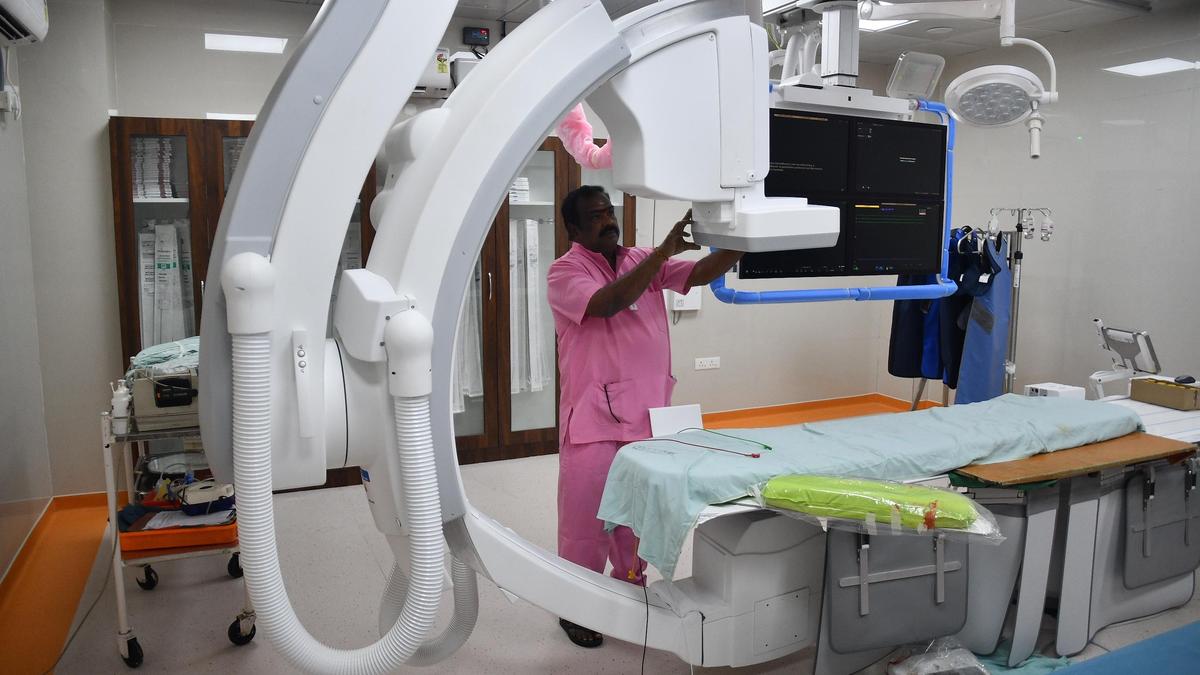
Most angioplasty procedures are conducted under local anesthesia, allowing the patient to remain conscious. A doctor makes a small incision in the arm, wrist, or groin to insert a catheter (a thin tube). Using live X-ray guidance, the catheter is guided to the blockage. A small balloon at the tip is inflated, pushing the plaque against the artery walls. To ensure the artery remains open, a stent—a tiny wire mesh tube—is often placed at the site. Many modern stents are medicated to prevent future clot formation.
| Feature | Angioplasty | Bypass Surgery |
|---|---|---|
| Invasiveness | Minimally Invasive | Highly Invasive (Open-heart) |
| Recovery Period | Days to a few weeks | Several months |
| Anesthesia | Local | General |
Historical Background
Historically, treating severe arterial blockages required major surgical interventions like coronary artery bypass grafting (CABG). While bypass surgery remains necessary for complex cases, the evolution of catheter-based technology has revolutionized cardiology, allowing for faster recovery times and significantly reduced surgical risks.
Post-Procedure Recovery and Prevention
While angioplasty fixes the immediate blockage, it does not cure the underlying cause of atherosclerosis. Patients are strongly advised to adopt heart-healthy habits, including a balanced diet, regular physical activity, and avoiding tobacco and excessive alcohol. Cardiac rehabilitation programs are often recommended to ensure long-term cardiovascular health.
Frequently Asked Questions
1. Is angioplasty a permanent fix?
It treats the current blockage, but lifestyle changes are required to prevent new plaques from forming.
2. What are the risks involved?
While generally safe, risks can include bleeding at the incision site or blood clots, which is why medicated stents are frequently used.