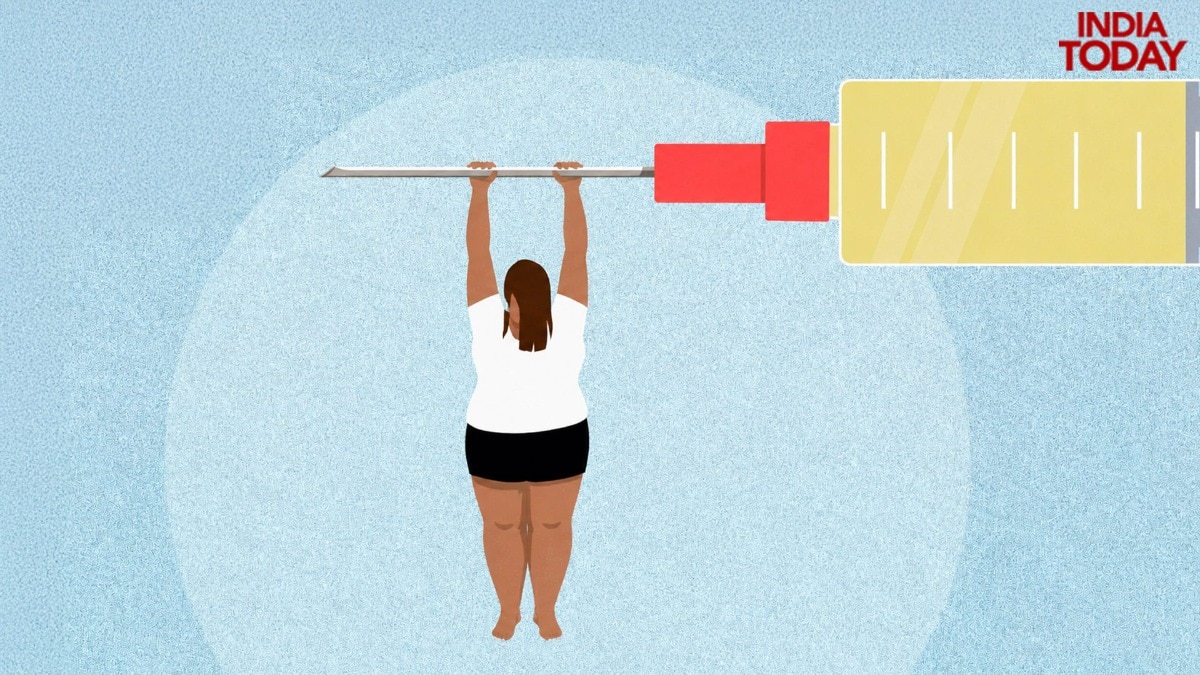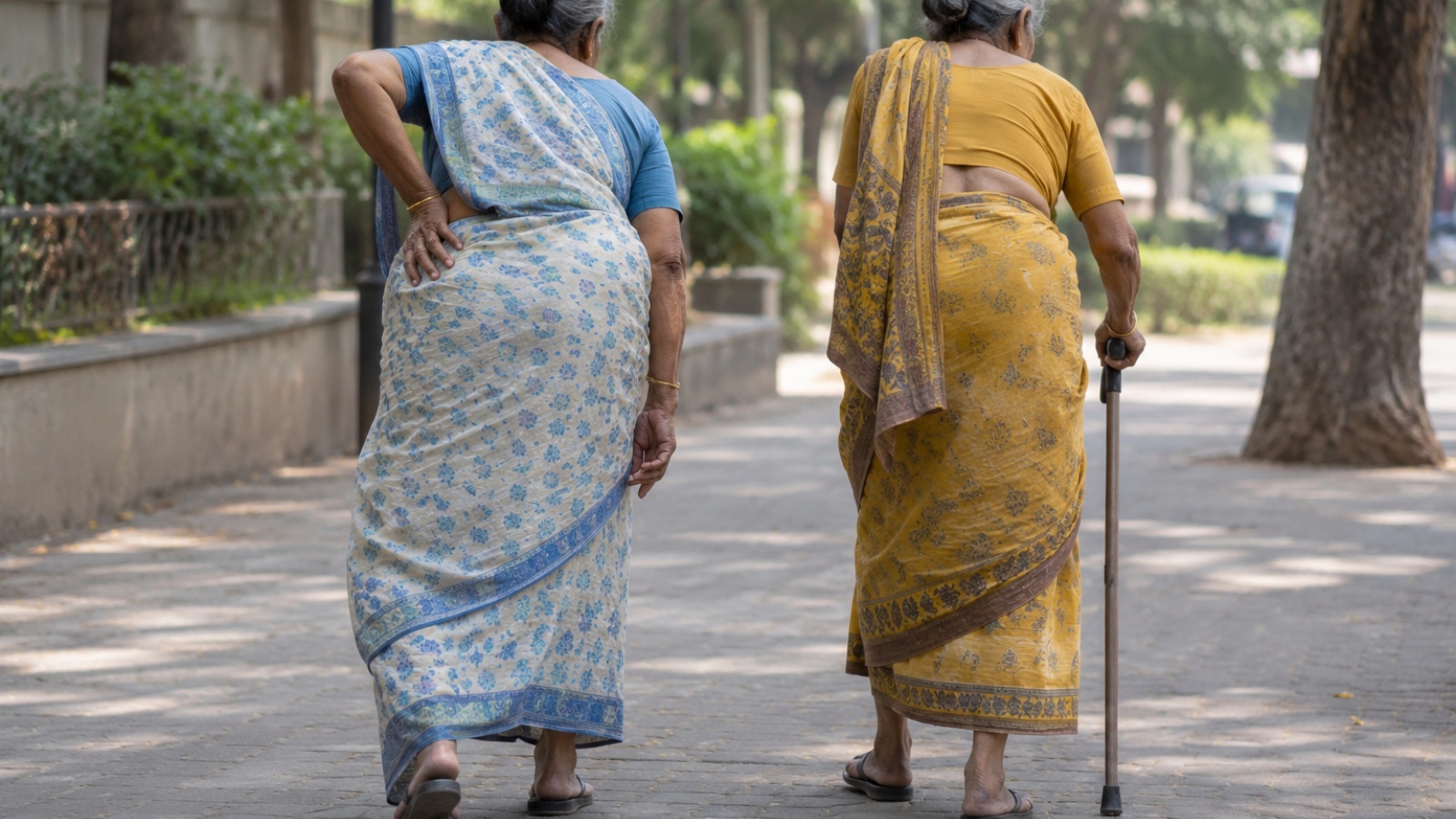
Medical experts have identified four critical vaccines for adults over 60 and those with underlying conditions to mitigate the risks of the current flu season. These preventive measures are vital to reducing hospitalization and severe complications.
- Adults 60+ and those 50+ with comorbidities (diabetes, heart disease) are at high risk.
- Vaccines aim to reduce severity and ICU admissions rather than preventing infection entirely.
- Core vaccines: Influenza, Pneumococcal, Tdap, and COVID-19 boosters.
As the flu season intensifies, medical professionals are issuing urgent guidance for the elderly. The Indian Council of Medical Research (ICMR) has clarified that the circulating H1N1 strain is not a new variant but part of the H1N1 pdm09 family. However, they emphasize that the risk remains significantly higher for vulnerable groups, including the elderly and those with pre-existing medical conditions.
Statistics from major urban centers like Delhi highlight the growing concern, with over 2,602 influenza cases recorded this year, the majority being H1N1. While children with proper vaccination coverage are managing well, the demographic most likely to face hospitalization and critical complications is adults aged 65 and above.
Why This Matters
BozokMedia analysis shows that as the immune system ages, the body's ability to fight off respiratory pathogens diminishes. This transition makes preventive vaccination a cornerstone of geriatric health management rather than just an optional medical procedure.
None of these vaccines stop you from catching an infection; they ensure the difference between a bad week at home and an ICU admission.
Recommended Vaccination Protocol
According to medical guidelines, specifically those discussed by Dr. Navin Dang, the following four vaccines are critical for high-risk individuals:
| Vaccine Type | Target Group | Frequency/Details |
|---|---|---|
| Influenza (Flu) | 60+ or 50+ with comorbidities | Annual intramuscular dose |
| Pneumococcal | Diabetics, COPD, Kidney disease | PCV20 preferred (single dose) |
| Tdap | All adults (to boost fading immunity) | One dose, then booster every 10 years |
| COVID-19 Booster | High-risk adults | As per national health advisories |
The Pneumococcal vaccine is a vital shield against Streptococcus pneumoniae, which causes severe pneumonia and meningitis. Meanwhile, the Tdap vaccine protects against pertussis (whooping cough), which can be devastating for older adults with compromised lung function.
Historical Background
The H1N1 virus has been a global presence since the 2009 pandemic. While it has become more endemic, its ability to cause severe respiratory distress in the elderly necessitates constant vigilance and updated immunization strategies as new variants emerge.
Frequently Asked Questions
1. Do vaccines guarantee I won't get the flu?
No, they are designed to reduce the severity of the illness and prevent life-threatening complications.
2. Who is considered 'high risk'?
Anyone over 60, or those over 50 with conditions like diabetes, heart disease, or lung disease.