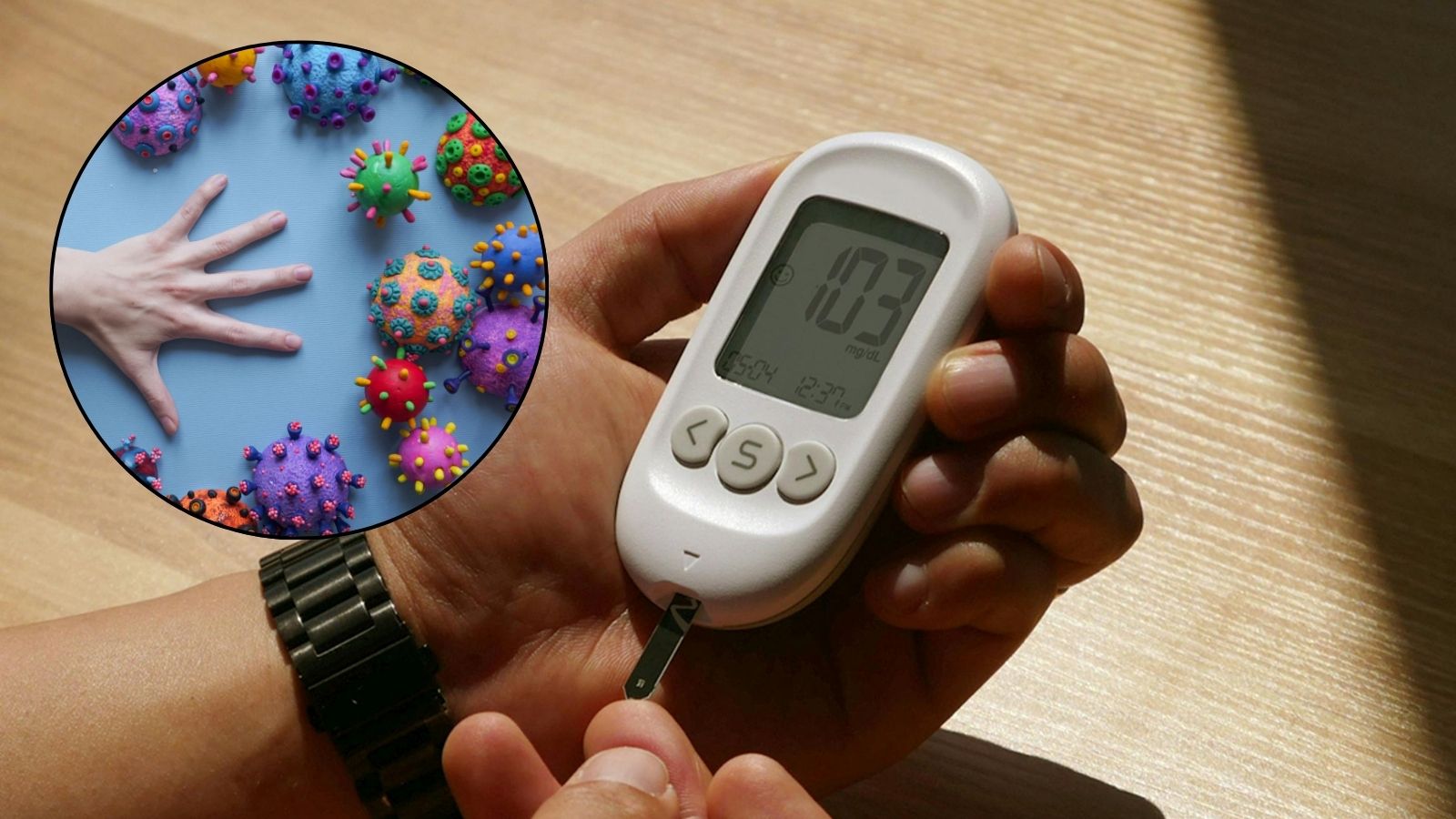
Medical experts reveal the critical connection between mildly elevated blood glucose and persistent fungal infections. Learn how prediabetes might be hiding behind skin issues.
- Mildly elevated blood sugar can impair the body's immune response to infections.
- Recurrent candidiasis, athlete's foot, and ringworm may indicate underlying glucose issues.
- High glucose levels provide an ideal environment for fungal organisms like Candida to thrive.
- Persistent infections should prompt testing for HbA1c and fasting glucose levels.
While discussions around blood sugar often focus on a formal diabetes diagnosis, glucose levels can fluctuate outside the normal range long before reaching clinical thresholds. This 'gray zone'—often associated with prediabetes—can subtly alter how the body defends itself against external threats. One of the most telling, yet overlooked, signs is the occurrence of recurrent fungal infections.
Medical research suggests that elevated glucose doesn't just exist in the bloodstream; it affects the very mechanics of immunity. High sugar availability can impair essential immune cells such as neutrophils and macrophages, which are the body's first line of defense. When these cells are compromised, the body struggles to contain even minor biological invasions.
Why This Matters
BozokMedia analysis shows that many individuals suffer from chronic skin conditions without realizing they are experiencing metabolic dysfunction. Recognizing the link between fungal persistence and glucose levels can lead to early intervention, potentially preventing the progression from prediabetes to full-blown Type 2 diabetes.
A mild elevation in blood sugar does not automatically mean a person will develop fungal infections, but dysglycaemia can be an early warning sign.
Common Fungal Links to Elevated Glucose
According to Dr. Palleti Siva Karthik Reddy, a Consultant Physician, certain infections are more closely tied to blood sugar levels. These include:
- Candidiasis: Particularly recurrent oral or genital yeast infections.
- Dermatophyte Infections: Such as athlete's foot and ringworm that affect the skin, feet, and nails.
If an infection responds poorly to standard treatments or returns shortly after clearing, it is a clinical red flag. This is especially true if accompanied by symptoms like increased thirst, frequent urination, or unexplained weight changes.
| Symptom Area | Standard Observation | High-Risk Indicator |
|---|---|---|
| Infection Pattern | Isolated incidents | Recurrent or persistent infections |
| Immune Response | Rapid healing | Slow or poor response to treatment |
| Metabolic Signs | Normal thirst/urination | Excessive thirst and frequent urination |
Frequently Asked Questions
1. What tests should I take if I have recurrent infections?
Doctors typically recommend a Fasting Plasma Glucose test, HbA1c, or an Oral Glucose Tolerance Test (OGTT).
2. Is prediabetes the same as diabetes?
No, but prediabetes (HbA1c 5.7-6.4%) is a critical warning stage where lifestyle changes can reverse the trend.
In conclusion, treating a fungal infection without checking your metabolic health might only be addressing the symptom rather than the cause. Awareness is the first step toward long-term wellness.