Following WHO recommendations, the flu vaccine for the 2026-27 season has been updated to cover the H3N2 Super-K strain to prevent severe hospitalizations.
- Vaccines for 2026-27 have been updated to include protection against the H3N2 'Super-K' sub-clade.
- AstraZeneca has developed a nasal spray for children and a trivalent vaccine for adults.
- Vaccination has commenced in the UK, while India's availability depends on local policy.
Following a surge in influenza cases across several countries, including the UK, during the previous winter, health authorities have implemented a critical update to the influenza vaccine. Because the virus undergoes constant genetic mutation, the World Health Organization (WHO) recommended an update to target the 'Super-K' strain for the upcoming season. This proactive measure aims to reduce the burden on healthcare systems and minimize severe complications.
Scientifically known as Influenza A(H3N2) sub-clade K, 'Super-K' is not a new disease but a mutated version of the H3N2 virus. The necessity for annual updates arises from the virus's ability to shift its surface proteins, allowing it to evade the immunity provided by previous vaccines. By updating the vaccine composition, manufacturers ensure that the population remains protected against the most dominant circulating strains.
Vaccine Development and Administration
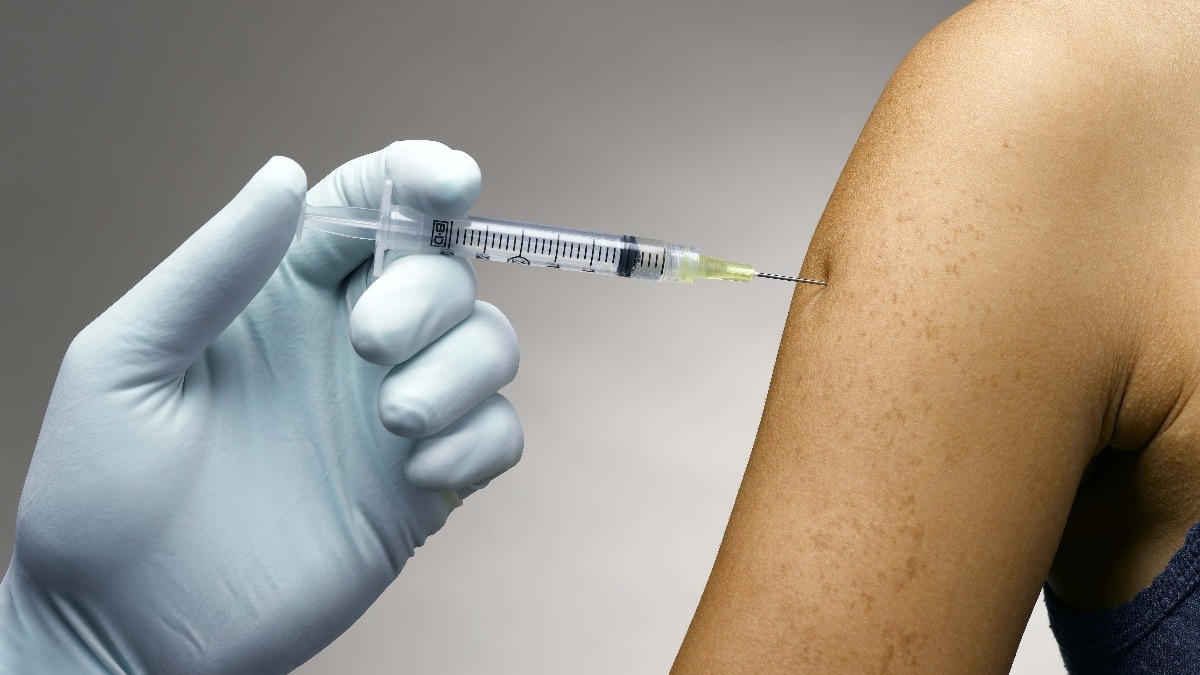
For the 2026-27 program in the UK, AstraZeneca has deployed the 'Fluenz' vaccine. This is a Live Attenuated Influenza Vaccine (LAIV) administered as a nasal spray for children and adolescents. This innovative delivery method provides protection against three different strains in a single dose. For children who cannot receive the nasal spray due to medical reasons, traditional injectable vaccines remain the primary alternative.
Why This Matters
BozokMedia analysis shows that the emergence of sub-clades like Super-K indicates a heightened evolutionary pressure on the virus. In the UK, the NHS has already begun rolling out vaccinations for pregnant women and eligible high-risk groups as of September 1, 2026, with general availability starting October 1. This staggered approach ensures that the most vulnerable are protected first.
"The UK's vaccination program does not directly translate to India; one must verify if the local vaccine package contains the 2026 H3N2 component before administration." - Dr. Jugal Kishore, Epidemiologist
Implications for India
Epidemiologists emphasize that while the UK's program is a benchmark, India's vaccine brands, seasonality, and government policies differ. However, since WHO recommendations serve as the global blueprint for vaccine manufacturers, it is likely that Indian vaccines will also be aligned. Patients are advised to consult healthcare providers to confirm the specific components of the flu shot available in India.
| Feature | Pediatric (Fluenz) | Adults |
|---|---|---|
| Administration | Nasal Spray | Injection |
| Vaccine Type | Live Attenuated | Trivalent / Quadrivalent |
| Primary Target | H3N2 Super-K & others | H3N2 Super-K & others |
Frequently Asked Questions
Q1: Is Super-K flu a new pandemic virus?
No, it is a mutated sub-clade of the existing Influenza A(H3N2) virus, not a separate disease.
Q2: Should I get the updated vaccine in India immediately?
You should consult a doctor to check if the current vaccine available in India includes the 2026 H3N2 component recommended by the WHO.