Medical experts warn that contaminated silver foil (Chandi Varak) on sweets can lead to heavy metal poisoning, affecting vital organs like the brain and liver.
- Contaminated silver foil may contain harmful metals like aluminium, arsenic, or cadmium.
- Long-term consumption can lead to heavy metal poisoning.
- Key organs at risk include the brain, kidneys, and liver.
- Distinguishing pure silver from contaminated foil is difficult for consumers.
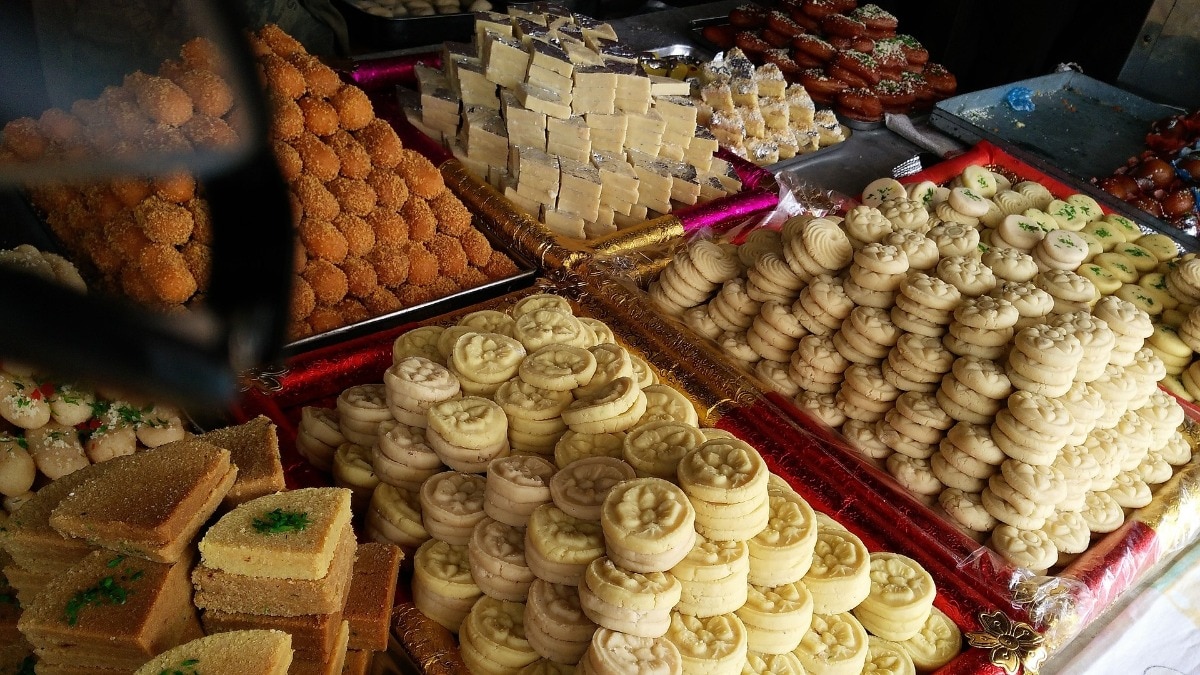
While the shimmering Chandi Varak (silver foil) on Indian sweets is a symbol of festivity and tradition, it could be masking a significant health hazard. Dr. Anil Arora, Chairperson of the Institute of Liver Gastroenterology at Sir Ganga Ram Hospital, has issued a stern warning regarding the potential risks of consuming contaminated foil used in confectionery.
The Risk of Heavy Metal Contamination
Genuine silver foil is typically made from 99.9% pure silver and is processed into an extremely thin, safe film that meets strict food safety standards. However, the danger arises when the material used is not pure silver but is contaminated with toxic heavy metals such as aluminium, arsenic, or cadmium.
According to Dr. Arora, the primary concern is not occasional consumption, which may not cause immediate harm, but rather the regular and long-term consumption of sweets decorated with such contaminated materials. Over time, these metals accumulate in the body, leading to heavy metal poisoning.
Continued exposure to contaminated foil can potentially damage critical organs including the brain, kidneys, and liver.
Why This Matters
BozokMedia analysis shows that in a culture where sweets are central to every celebration, the cumulative effect of consuming even small amounts of contaminated foil can be significant. Because these metals are bioaccumulative, they stay in the system, posing a silent threat to public health.
The difficulty lies in identification. While pure silver foil is exceptionally thin, shiny, and light, contaminated versions—particularly those containing aluminium—may appear slightly darker or duller. However, for the average consumer, visually distinguishing between the two is nearly impossible without laboratory testing.
The Role of Food Safety Authorities
Since consumers cannot easily verify the purity of the foil, the responsibility falls heavily on regulatory bodies. The Food Safety and Standards Authority of India (FSSAI) plays a crucial role in monitoring manufacturers and ensuring that the decorative elements used on food products are non-toxic and compliant with safety regulations.
Frequently Asked Questions
1. Can I identify pure silver foil at home?
It is very difficult; genuine foil is extremely light and shiny, while contaminated foil might look dull or blackish.
2. Which organs are most at risk?
The brain, liver, and kidneys are the most vulnerable to heavy metal toxicity from contaminated food additives.