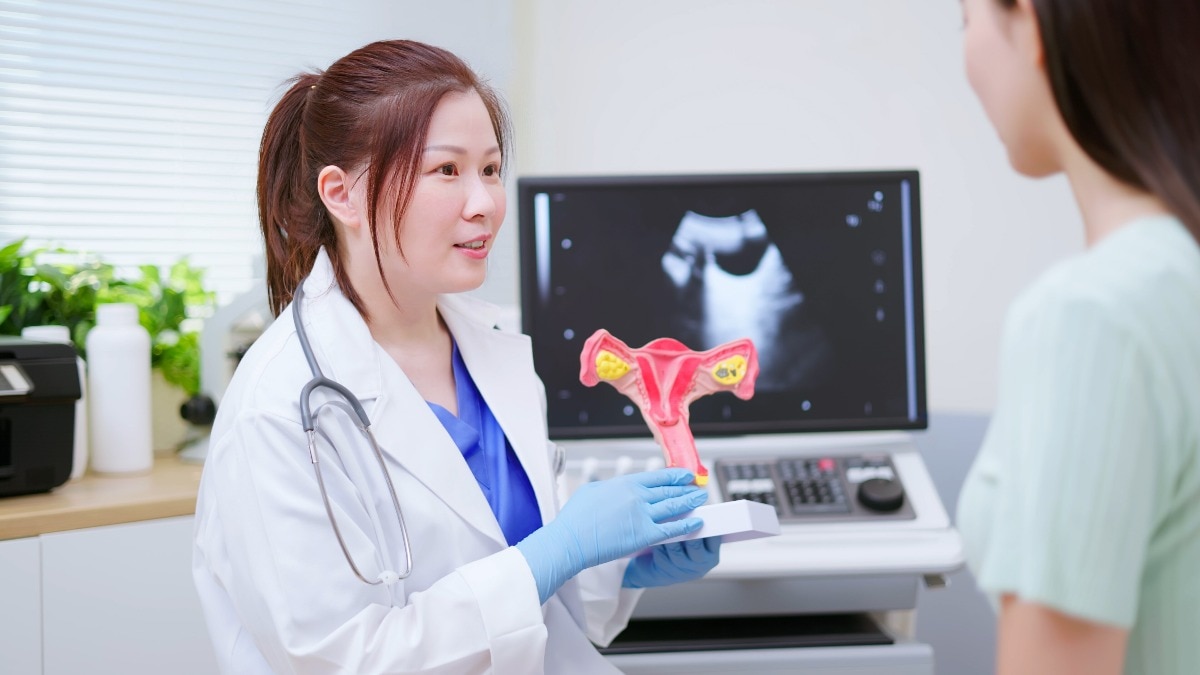
Endometriosis remains a diagnostic challenge, often eluding detection for a decade. Explore the symptoms, the impact on fertility, and the new technologies aiming to change lives.
- Diagnosis of endometriosis often takes an average of 7 to 10 years.
- Common symptoms include debilitating pelvic pain, heavy periods, and infertility.
- New non-invasive diagnostic tools are currently under development to replace surgery.
Endometriosis is a chronic condition characterized by tissue similar to the lining of the uterus growing outside the womb. This misplaced tissue can cause intense pain, inflammation, and the formation of scar tissue. Despite its severity, it remains one of the most misunderstood and delayed-diagnosed conditions in modern medicine.
For many women, the journey to a diagnosis is a marathon of frustration. Symptoms like heavy menstrual bleeding and pelvic pain are frequently dismissed by healthcare providers as 'normal period cramps.' This systemic dismissal leads to years of suffering and can significantly impact a woman's mental health and overall quality of life.
Why This Matters
BozokMedia analysis shows that the delay in diagnosing endometriosis is not just a medical failure but a socio-economic issue. Prolonged untreated pain leads to lost productivity, increased healthcare costs, and significant emotional distress, highlighting the need for better clinical protocols.
Advancements in non-invasive imaging and biomarkers are critical to closing the massive diagnostic gap in endometriosis care.
The gold standard for diagnosis has long been laparoscopy, a surgical procedure that involves incisions to visualize the tissue. However, the invasive nature of surgery makes many patients hesitant. Fortunately, the medical community is pivoting toward more advanced MRI techniques and blood-based biomarkers that could identify the disease without the need for operating rooms.
Historical Background
Historically, endometriosis was poorly understood and often stigmatized. For decades, it was treated as a minor gynecological inconvenience rather than a systemic disease. It is only in recent years that large-scale epidemiological studies have highlighted the profound biological and genetic complexities of the condition.
Frequently Asked Questions
Question 1: What are the most common signs of endometriosis?
Answer: Severe pelvic pain, painful menstruation, pain during intercourse, and difficulty conceiving are primary indicators.
Question 2: Can endometriosis be cured?
Answer: While there is no permanent cure, symptoms can be managed effectively through hormonal treatments, lifestyle changes, and surgical intervention.