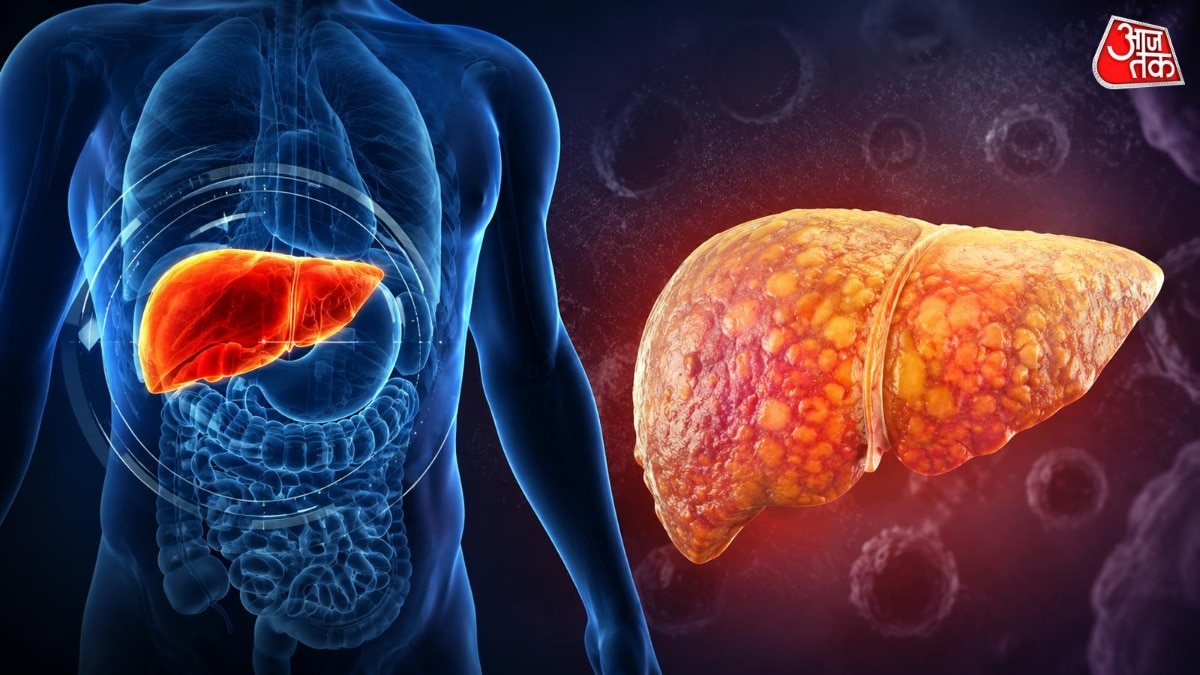
Grade 2 fatty liver is becoming increasingly common due to poor dietary habits and sedentary lifestyles. Experts warn that while it is reversible through lifestyle changes, neglect can lead to permanent liver cirrhosis.
- Grade 2 fatty liver can be reversed through strategic lifestyle and dietary modifications.
- The condition is defined as fat accumulation exceeding 5-10% of the total liver weight.
- Unchecked fatty liver can progress to inflammation, fibrosis, and eventually cirrhosis.
In an era dominated by processed foods and sedentary habits, fatty liver disease has emerged as a silent epidemic. Medical professionals categorize this condition into three grades. While Grade 1 is often seen as a mild warning, Grade 2 (Moderate Hepatic Steatosis) requires immediate clinical attention. If left untreated, it can progress to Grade 3, where the damage becomes significantly harder to reverse.
According to Dr. Chinmay Gupta, a physician at Apollo Hospital, the primary objective for treating Grade 2 fatty liver is to reduce hepatic fat and prevent the onset of inflammation and fibrosis. The focus is shifted from pharmacological intervention to holistic lifestyle management.
Treatment and Lifestyle Interventions
Experts recommend a gradual weight loss goal of 7% to 10% of total body weight for overweight individuals. Diet plays a pivotal role; integrating whole grains, fresh fruits, legumes, lean proteins, and nuts is highly encouraged. Conversely, the consumption of refined sugars, sweets, soft drinks, and processed meats should be strictly limited.
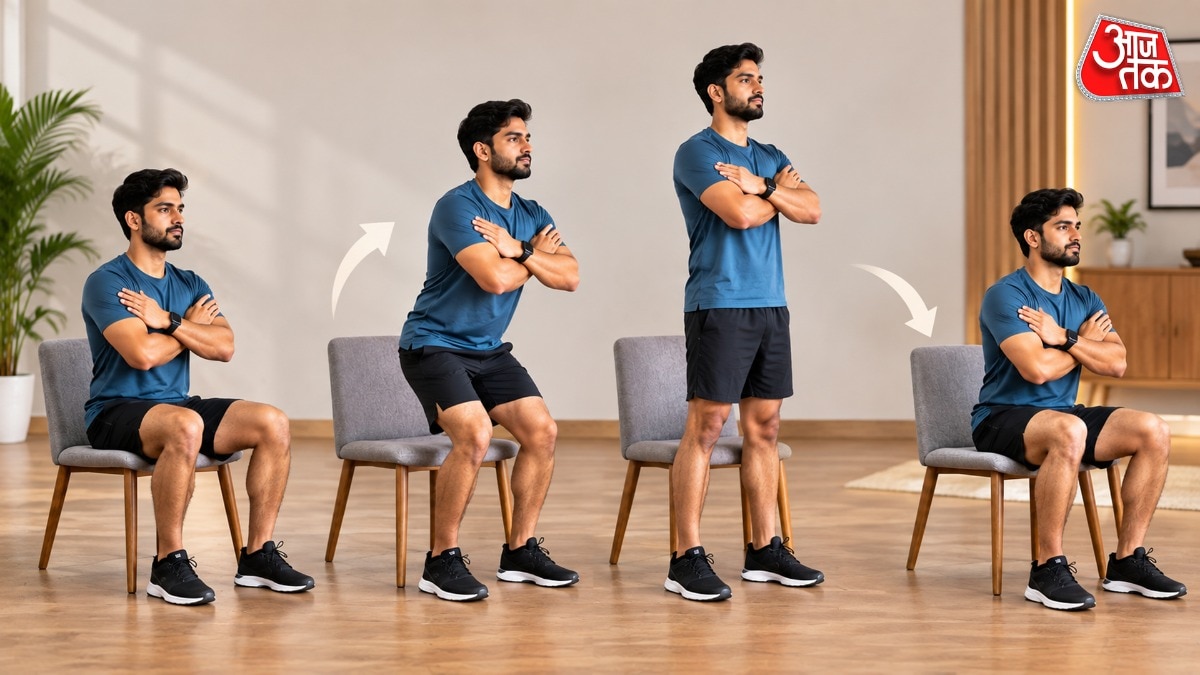
Physical activity is equally critical. A regimen of at least 150 minutes of moderate exercise per week—such as brisk walking—combined with strength training 2-3 times a week is advised. Furthermore, complete abstinence or significant reduction in alcohol intake is mandatory, especially when liver enzymes are elevated.
Why This Matters
BozokMedia analysis shows that the rise in fatty liver cases is closely linked to the global surge in metabolic syndrome and insulin resistance. This is no longer just a disease of the elderly; younger populations are increasingly affected. Without early intervention, the progression to liver failure places a massive burden on healthcare systems and reduces overall life expectancy.
"Grade 2 fatty liver is a critical crossroads; it is the body's final warning before the damage transitions from reversible to permanent."
Regarding medication, Grade 2 fatty liver typically does not require specific drugs. However, if inflammation or fibrosis is detected, targeted medications may be prescribed. Managing comorbidities such as diabetes, hypertension, and high cholesterol is essential for the liver's recovery process.
| Grade | Condition | Risk Level | Reversibility |
|---|---|---|---|
| Grade 1 | Mild Fat | Low | Easily Reversible |
| Grade 2 | Moderate Fat | Medium | Reversible via Lifestyle |
| Grade 3 | Severe Fat/Inflammation | High | Difficult/Limited |
Frequently Asked Questions
Q1: Can Grade 2 fatty liver be completely cured?
A: Yes, it can be reversed through a combination of weight loss, a balanced diet, and regular physical activity.
Q2: Is medication mandatory for Grade 2 fatty liver?
A: Generally, no. Lifestyle changes are the primary treatment, though medications may be used if inflammation or fibrosis is present.