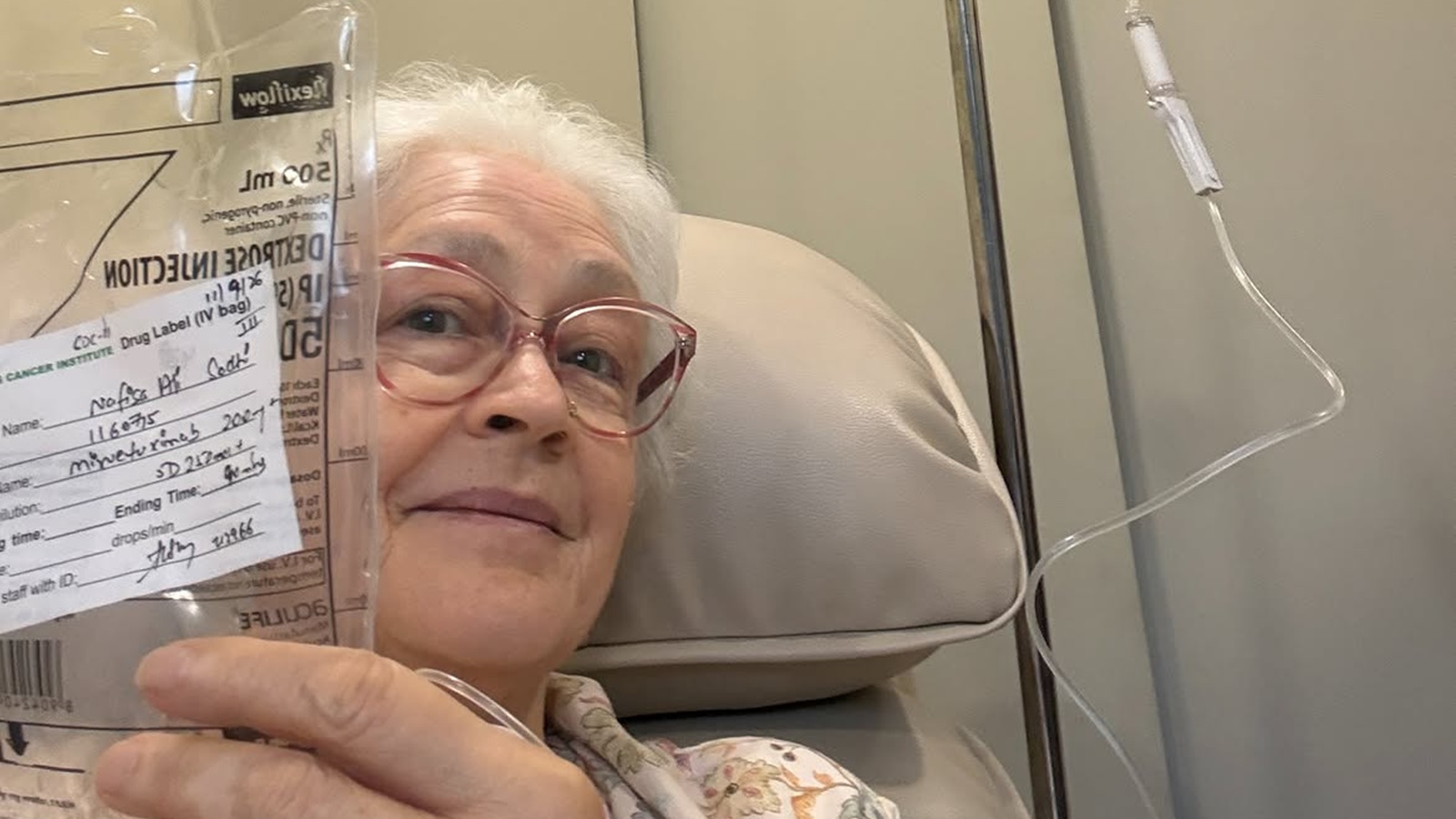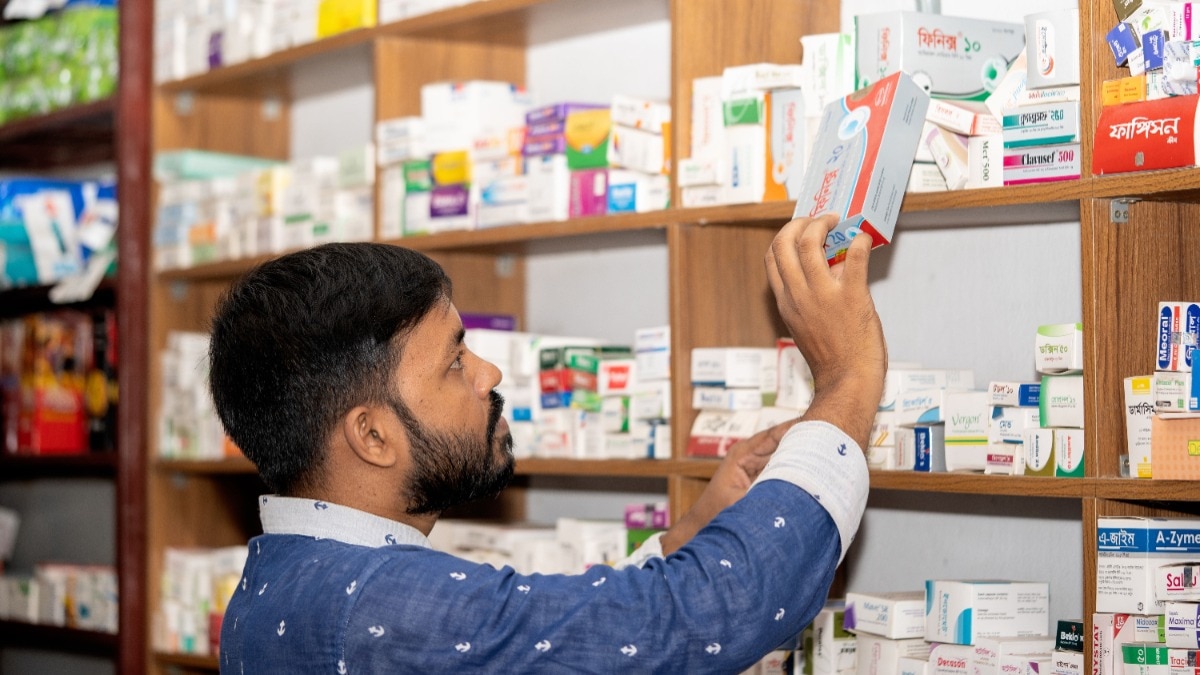
A massive medicine repackaging racket busted in Bengaluru has sparked fears over the consumption of expired drugs. Experts warn that the real danger lies in reduced potency and unpredictable chemical changes.
- A major drug repackaging racket was uncovered in Bengaluru involving expired medicines.
- The primary risk is not immediate poisoning but the loss of therapeutic potency.
- Environmental factors like heat and humidity accelerate drug deterioration.
- Critical medicines like insulin and antibiotics pose the highest risks if expired.
A recent crackdown on a sophisticated medicine repackaging racket in Bengaluru has sent shockwaves through the healthcare sector. This discovery highlights a dangerous trend where expired drugs are being siphoned out of the waste stream, repackaged to look new, and reintroduced into the legitimate market.
While the sight of an expired pill might not immediately signal toxicity, medical professionals warn that the core issue is 'uncertainty.' Once a manufacturer's expiry date passes, the guarantee of safety, stability, and efficacy vanishes.
Why This Matters
BozokMedia analysis shows that the economic motivation behind these rackets directly compromises public health. When consumers purchase repackaged expired drugs, they are essentially paying for ineffective treatment, which can lead to delayed recovery or worsening of chronic conditions.
After expiry, a medicine's safety, quality, and therapeutic effectiveness can no longer be assured.
The risk profile varies significantly depending on the type of medication. For instance, liquid formulations, eye drops, and insulin are highly sensitive to environmental changes. In a tropical climate like India, high humidity and temperature can cause chemical degradation much faster than the printed date suggests.
Historical Context of Drug Stability
Pharmaceutical stability testing is a rigorous process designed to ensure a drug remains active under specific conditions. Historically, the introduction of strict expiry labeling has been a cornerstone of patient safety, ensuring that medications used for life-threatening conditions perform predictably every single time.
Risk Assessment by Medication Type
| Medication Type | Primary Risk | Risk Level |
|---|---|---|
| Antibiotics | Treatment failure & drug resistance | High |
| Insulin | Blood sugar instability | Critical |
| Eye Drops | Bacterial contamination | High |
| Cardiac Drugs | Uncontrolled blood pressure/heart rate | Critical |
Doctors emphasize that visual inspection is not a reliable safety check. A tablet may look perfectly intact while having lost its medicinal strength, and a syrup may appear normal despite undergoing chemical changes that could cause nausea or dizziness.
Frequently Asked Questions
Q1: What should I do if I accidentally take an expired medicine?
A: Monitor your symptoms and consult a doctor if you feel unwell. Do not panic, but do not repeat the dose.
Q2: How can I ensure my medicines are authentic?
A: Always purchase from licensed pharmacies and check for intact, original manufacturer packaging and seals.