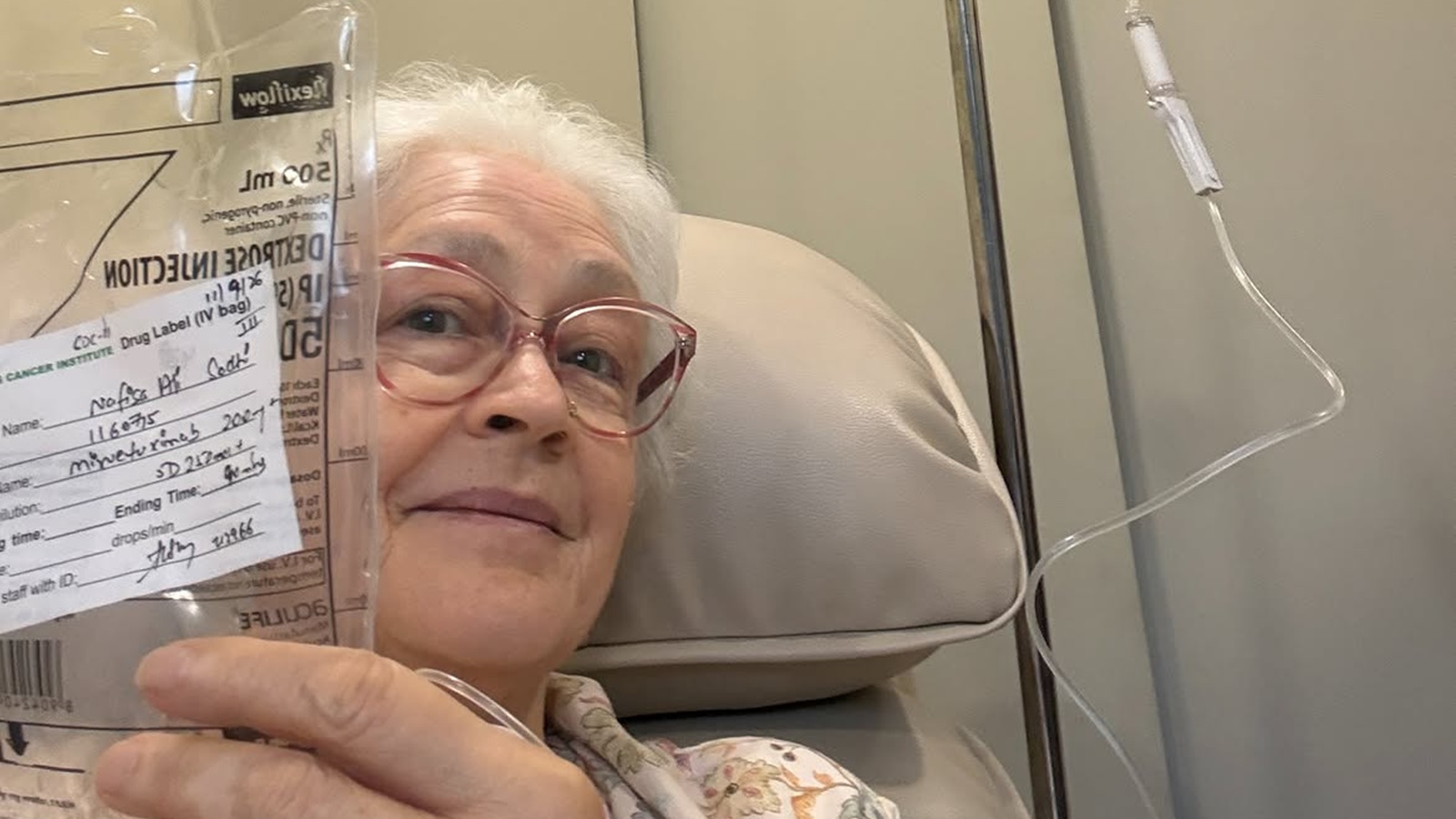
Actor Nafisa Ali Sodhi has announced a change in her cancer treatment protocol to targeted therapy following PET/CT results suggesting disease progression in her ovarian/peritoneal cancer.
- Nafisa Ali Sodhi's treatment has transitioned from chemotherapy to targeted therapy.
- Recent PET/CT scans indicate cancer progression with new deposits on the liver surface.
- Targeted therapy focuses on specific molecular pathways rather than all rapidly dividing cells.
Acclaimed actor Nafisa Ali Sodhi has shared a significant update regarding her ongoing battle with cancer. In a recent Instagram post, she revealed that her medical team has altered her treatment protocol, moving her onto Targeted Therapy. She expressed gratitude to her supporters, stating she is "fighting the good fight."
The shift comes after diagnostic imaging revealed challenging news. According to Nafisa, PET/CT scans suggest that her ovarian/peritoneal cancer has progressed, with new deposits identified on the surface of the liver. In medical terms, 'progression' implies that the cancer has grown or spread to new areas despite ongoing treatment.
Why This Matters
BozokMedia analysis shows that understanding the nuance between different cancer treatments is vital for patients and families. The transition to targeted therapy represents a shift toward precision medicine, where the focus moves from systemic cell destruction to molecular-level intervention.
Targeted therapy is not automatically the next step for everyone; it requires specific molecular targets to be effective.
Dr. Puneet Gupta, Chairman of Oncology Services at Asian Hospital, explained that while chemotherapy broadly attacks rapidly dividing cells, targeted therapy aims at specific molecular changes that allow cancer cells to survive. This distinction is crucial because not all patients are eligible for such treatments; it depends on biomarker and molecular testing.
Chemotherapy vs. Targeted Therapy
| Feature | Chemotherapy | Targeted Therapy |
|---|---|---|
| Mechanism | Attacks all rapidly dividing cells. | Targets specific molecular pathways. |
| Scope | Broad-spectrum impact. | Highly specific and precise. |
| Prerequisite | Standard for many cancer types. | Requires biomarker/molecular testing. |
Addressing the concern regarding liver involvement, Dr. Gupta clarified that liver-surface deposits are different from primary liver cancer. In ovarian cancer, the disease often spreads within the peritoneal cavity—the lining of the abdomen. Deposits on the liver's outer capsule indicate extensive abdominal spread rather than a tumor growing within the liver tissue itself.
Frequently Asked Questions
1. What does it mean when cancer is said to have 'progressed'?
It means the cancer has grown in size or new areas of the disease have been detected via imaging like PET/CT scans.
2. Can everyone switch to targeted therapy?
No, a patient must undergo molecular testing to see if their specific tumor has the targetable markers required for the drug to work.