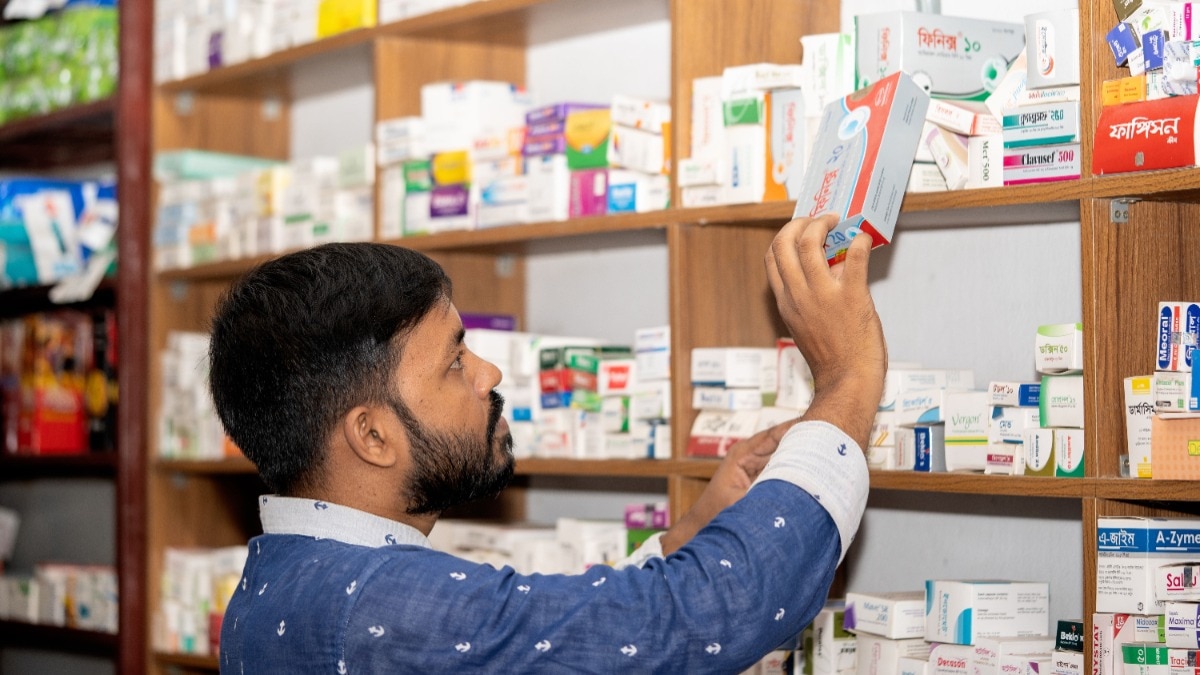
Despite administering nearly 20 million vaccine doses, Bangladesh is struggling with a massive measles outbreak that has claimed over 1,000 lives. Experts point to underestimated targets and local immunity gaps.
- Over 1,000 deaths attributed to measles since March 15, 2026.
- The government exceeded its vaccination target of 18 million, reaching nearly 20 million.
- Underestimated population data and localized immunity gaps are driving the epidemic.
Dhaka, Bangladesh: The tragic death of one-year-old Saif Hasan at Dhaka’s Infectious Diseases Hospital serves as a grim reminder of the ongoing measles epidemic. Saif, who died shortly after being admitted to intensive care, had been battling a respiratory illness that was exacerbated by a measles infection. His story highlights the devastating reality facing a nation currently grappling with an outbreak that has claimed over 1,000 lives.
The Paradox of High Vaccination Rates
On paper, Bangladesh’s response to the measles-rubella outbreak appears successful. Since April, health authorities have administered approximately 19.75 million doses, surpassing the initial target of 18 million children. However, this massive scale of immunization has not halted the rising death toll, which stands at 1,009 as of early September.
Why This Matters
BozokMedia analysis shows that high national averages can be deceptive. While the overall country-wide numbers look impressive, they often mask significant 'pockets of vulnerability.' If specific communities or hard-to-reach populations are missed, the virus can continue to circulate and cause localized outbreaks, regardless of the national success rate.
The discrepancy between vaccination targets and actual vulnerable populations suggests that initial estimates significantly underestimated the number of children in need.
Public health experts, including former officials from the IEDCR, suggest that the crisis was compounded by political instability following the July 2024 uprising. The change in government led to delays in vaccine procurement and subsequent shortages in 2024 and 2025, leaving a generation of children susceptible to infection.
Historical Context of Declining Immunity
Bangladesh was once on the brink of eliminating measles, but immunization coverage has seen a steady decline. According to the 2023 Coverage Evaluation Survey, first-dose measles-rubella coverage dropped from 88.6% in 2019 to 86% in 2023. This decline was further accelerated by the COVID-19 pandemic and increasing vaccine hesitancy due to misinformation.
| Metric | 2023 Statistics | 2026 Outbreak Status |
|---|---|---|
| Total Deaths | 0 | 1,009 |
| Vaccination Target | - | 18 Million |
| Actual Doses Administered | - | ~20 Million |
Frequently Asked Questions
Question 1: Why did the vaccine drive fail to stop the deaths?
Answer: The drive failed to reach all vulnerable pockets due to underestimated population targets and logistical disruptions caused by political changes.
Question 2: Is the vaccine itself causing the deaths?
Answer: No. Medical experts clarify that many victims were already infected before the vaccine could provide immunity, or they had underlying health conditions.