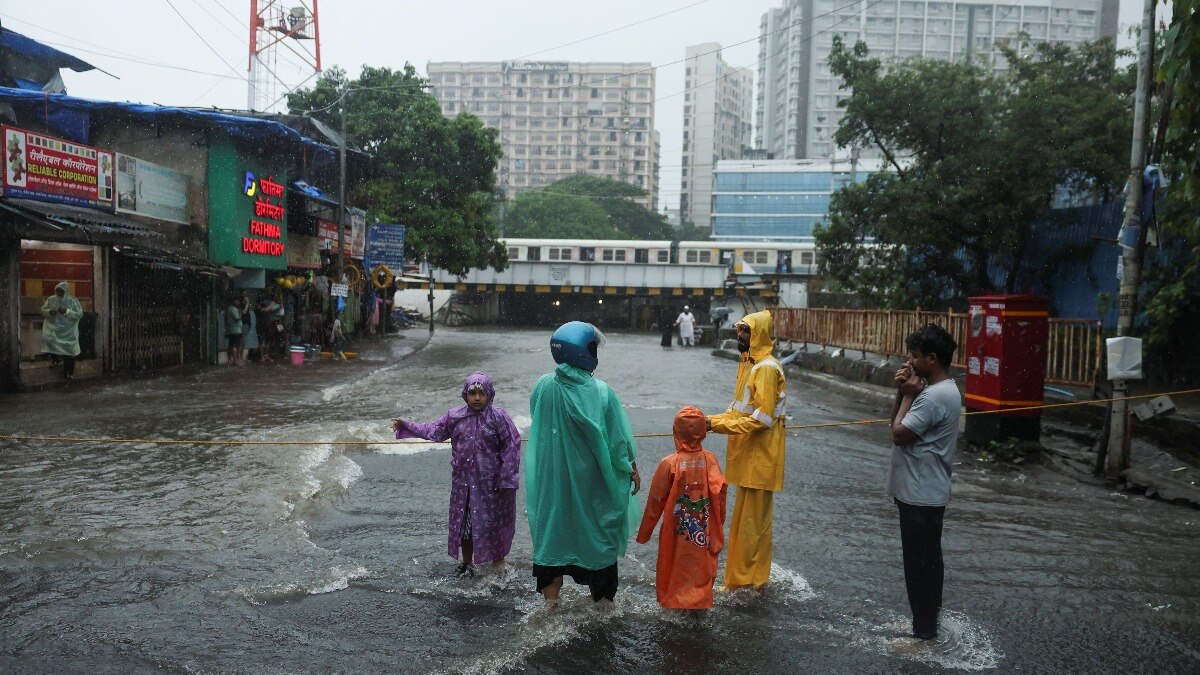
Beyond fever and diarrhea, monsoon-related infections like Leptospirosis and severe dehydration pose a significant threat to kidney health, potentially leading to Acute Kidney Injury (AKI).
- Monsoon infections and dehydration can trigger Acute Kidney Injury (AKI).
- Leptospirosis from contaminated floodwater is a major kidney threat.
- Severe diarrhea and vomiting lead to electrolyte imbalance and reduced renal blood flow.
- Vulnerable groups include diabetics, hypertensive patients, and the elderly.
While the monsoon brings much-needed relief from the scorching heat, it also creates a breeding ground for various pathogens. While most people focus on fever, mosquito-borne diseases, and gastrointestinal issues, medical experts are raising alarms about a less discussed consequence: kidney damage.
The Threat of Leptospirosis and Contaminated Water
One of the most significant monsoon-related risks is Leptospirosis. This bacterial infection, caused by Leptospira, thrives in environments where sewage and animal urine mix with floodwater. The bacteria can enter the human body through skin abrasions or mucous membranes like the eyes and mouth. In severe instances, Leptospirosis can lead to systemic complications, including jaundice and direct kidney injury.
Why This Matters
BozokMedia analysis shows that the intersection of poor sanitation during heavy rains and increased human exposure to stagnant water creates a perfect storm for renal complications. The kidneys are highly sensitive to both bacterial toxins and fluctuations in systemic blood pressure.
Infections and dehydration during the monsoon can put significant stress on the kidneys, potentially resulting in Acute Kidney Injury (AKI).
Dehydration: The Silent Kidney Killer
Gastrointestinal infections resulting in diarrhea and vomiting are rampant during the rainy season. These conditions cause a rapid loss of water and essential electrolytes. When dehydration becomes severe, the body prioritizes blood flow to vital organs, often at the expense of the kidneys. A drop in renal blood flow prevents the kidneys from effectively filtering waste, which can lead to Acute Kidney Injury (AKI).
Interestingly, many individuals drink less water during the monsoon because the cooler weather suppresses the sensation of thirst, making dehydration a silent but dangerous phenomenon.
Dengue, Malaria, and UTI Complications
Other seasonal illnesses also play a role. Dengue and Malaria can lead to kidney complications through severe inflammation or low blood pressure. Furthermore, Urinary Tract Infections (UTIs), if left untreated, can ascend from the bladder to the kidneys, causing a serious infection known as pyelonephritis.
Who is Most at Risk?
While anyone can be affected, certain groups must exercise extreme caution:
- Older adults.
- Individuals with Diabetes or Hypertension.
- People with pre-existing Chronic Kidney Disease (CKD).
- Those currently undergoing dialysis.
Frequently Asked Questions
1. What are the early warning signs of kidney distress during monsoon?
Watch for persistent fever, reduced urine output, swelling in limbs, and extreme fatigue.
2. How can I prevent kidney infections during the rainy season?
Avoid contact with stagnant water, ensure drinking water is purified, and maintain consistent hydration.