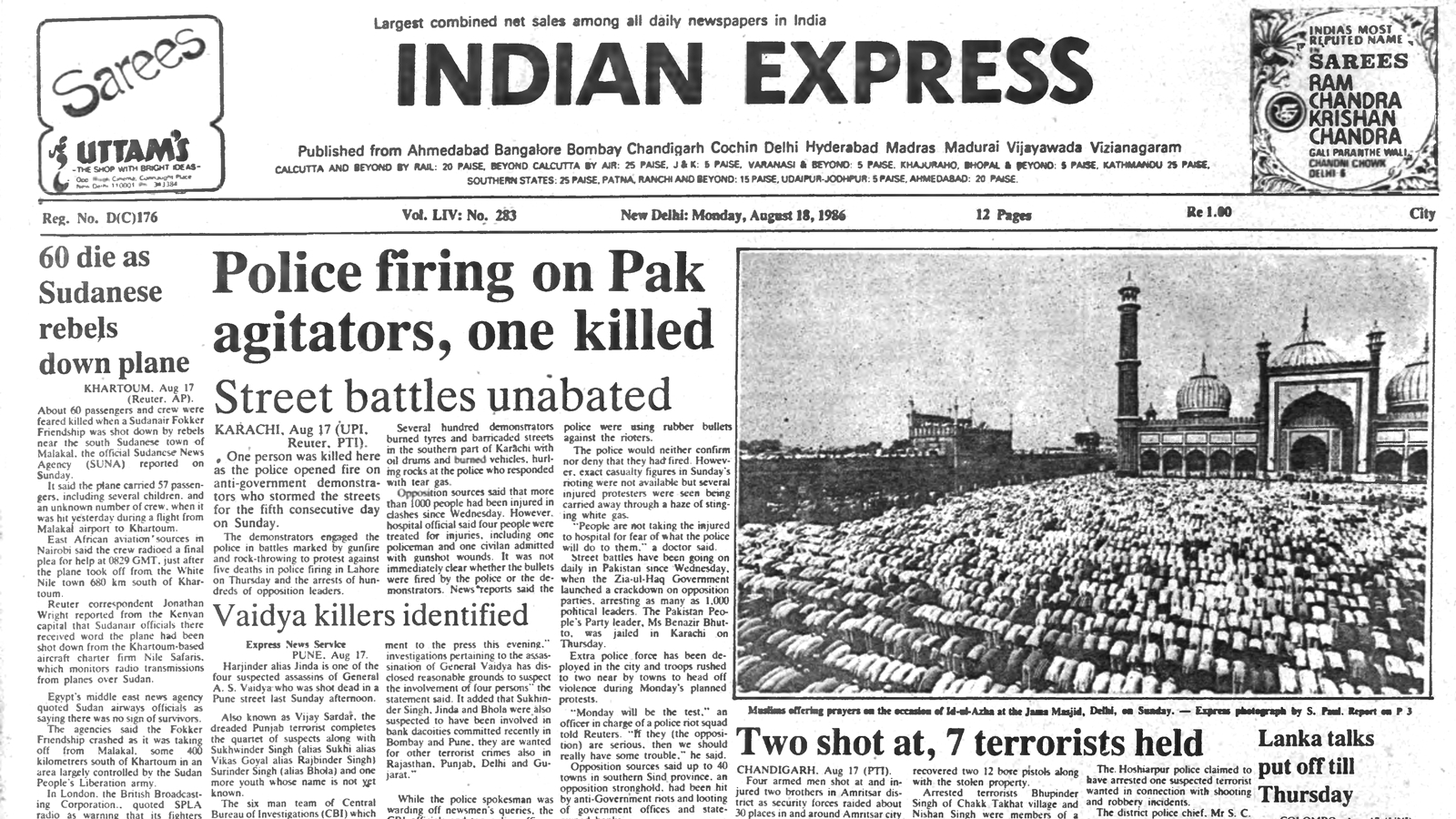
A look back at the 1976 archives reveals a massive plea by 6,000 Archaeological Survey of India employees for essential housing near heritage sites to ensure better security of ancient monuments.
- Over 6,000 ASI employees demanded immediate government action for staff quarters.
- Resolution passed during the 8th convention of the All-India Archaeological Service Association in Srinagar.
- Urgent need for more manpower in the 'Frontier Circle' (Punjab, Haryana, HP, and J&K).
- Challenges regarding children's admission in Central Schools during transfers were highlighted.
Srinagar, August 17 (Archives): In a significant move from fifty years ago, over 6,000 employees of the Archaeological Survey of India (ASI) appealed to the Central Government to provide residential quarters for staff tasked with guarding ancient monuments and archaeological sites. The demand emphasized that guarding these sites is nearly impossible without adjacent residential facilities.
The demand was formalized through a resolution adopted at the eighth convention of the All-India Archaeological Service Association. The event, which saw the participation of 148 delegates from across India, was inaugurated by the State Governor, Mr. L.K. Jha. The delegates argued that the lack of on-site housing created immense logistical and personal hardships for the security personnel.
Why This Matters
BozokMedia analysis shows that this historical grievance underscores a systemic failure in integrating personnel welfare with heritage management. The security of a nation's history is directly proportional to the stability and well-being of the boots on the ground.
"The preservation of antiquity requires a modern approach to employee welfare; without secure housing, site security remains precarious."
Beyond housing, the convention focused on the strategic needs of the newly created 'frontier circle'. This administrative zone, comprising Punjab, Haryana, Himachal Pradesh, and Jammu and Kashmir, was deemed understaffed. The association urged the Centre to deploy more personnel to safeguard monuments in these geographically challenging northern regions.
Furthermore, the convention touched upon the social struggles of government servants. Delegates brought to the government's attention the recurring difficulty of securing admissions for their children in central schools whenever they were transferred, highlighting a gap in the support system for mobile government employees.
Frequently Asked Questions
Question 1: What was the primary demand of the ASI staff in 1976?
Answer: They demanded immediate provision of staff quarters adjacent to the archaeological sites they were guarding.
Question 2: Which region was identified as needing more staff?
Answer: The frontier circle, consisting of Punjab, Haryana, Himachal Pradesh, and Jammu and Kashmir.