An in-depth exploration of the life, military brilliance, and the enduring mysteries surrounding the death of Netaji Subhas Chandra Bose, the man who challenged the British Empire with the Azad Hind Fauj.
- Netaji Subhas Chandra Bose was a pivotal figure in India's struggle for independence, advocating for armed resistance.
- He reorganized the Indian National Army (INA) to liberate India through military force.
- The circumstances of his death in a 1945 plane crash remain a subject of intense historical debate.
Subhas Chandra Bose, affectionately known as Netaji, remains one of the most enigmatic and influential figures in the history of the Indian independence movement. Unlike many of his contemporaries who advocated for non-violent resistance, Bose believed that freedom could only be won through a decisive military struggle against the British Raj. His strategic brilliance and unwavering courage transformed the landscape of the freedom struggle.
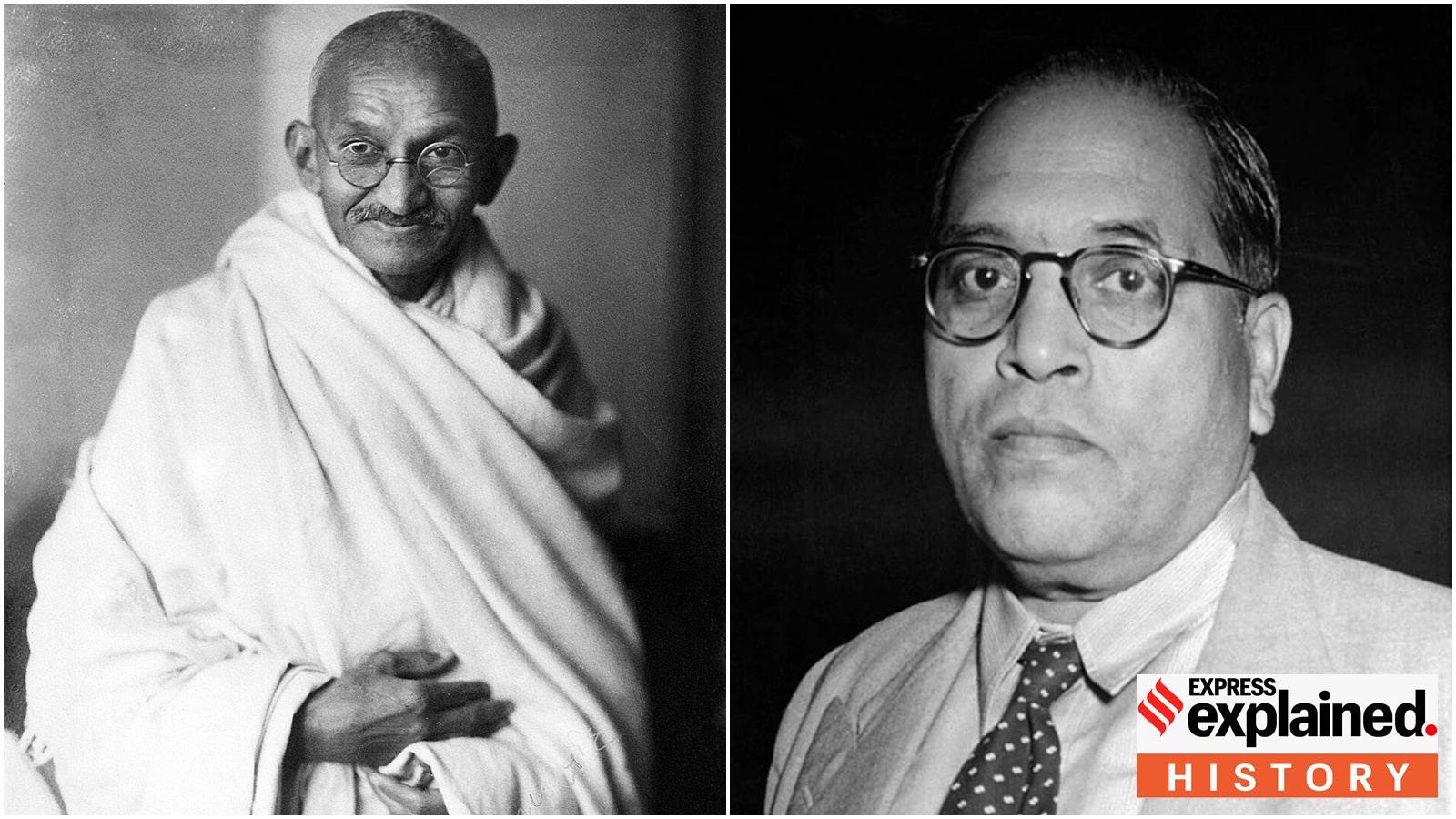
Bose's journey was marked by a complex relationship with the Indian National Congress. Despite his early success and election as Congress President in 1939, his ideological differences with Mahatma Gandhi regarding the method of achieving independence led to his resignation. This rift propelled him toward a more radical path, eventually leading him to seek international alliances during World War II.
The Rise of the Azad Hind Fauj
During the turmoil of the Second World War, Bose escaped house arrest in India and traveled to Germany and later Japan. His primary objective was to build an army composed of Indian prisoners of war and expatriates. This effort culminated in the formation of the Azad Hind Fauj (Indian National Army), which launched a daring campaign to enter India through Burma, aiming to seize Delhi.
Netaji's ability to mobilize Indians across religious and caste lines within the INA was a masterclass in national integration.
Why This Matters
BozokMedia analysis shows that Netaji's legacy is not merely about military maneuvers but about the psychological liberation of the Indian psyche. By demonstrating that an organized Indian army could challenge the British, he sowed the seeds of mutiny within the British Indian Army, which significantly accelerated the British decision to leave India in 1947.
Historical Background and the Plane Crash Mystery
The official narrative states that Netaji died in a plane crash in Taihoku, Taiwan, on August 18, 1945. However, the lack of concrete evidence and the suddenness of the event birthed numerous conspiracy theories. From claims of him escaping to the Soviet Union to rumors of him living as a recluse in India, the mystery has persisted for decades, leading to the formation of several government commissions.
| Aspect | Mahatma Gandhi's Approach | Netaji Bose's Approach |
|---|---|---|
| Method | Non-Violence (Ahimsa) | Armed Struggle |
| Strategy | Civil Disobedience | Military Mobilization |
| Alliances | Domestic Mass Movements | International Axis Powers |
Frequently Asked Questions
What was the main goal of the Azad Hind Fauj?
The main goal was to liberate India from British rule through an armed invasion starting from Southeast Asia.
Why did Bose disagree with Gandhi?
Bose believed that the British would never leave India voluntarily and that a military confrontation was necessary, whereas Gandhi prioritized non-violent resistance.