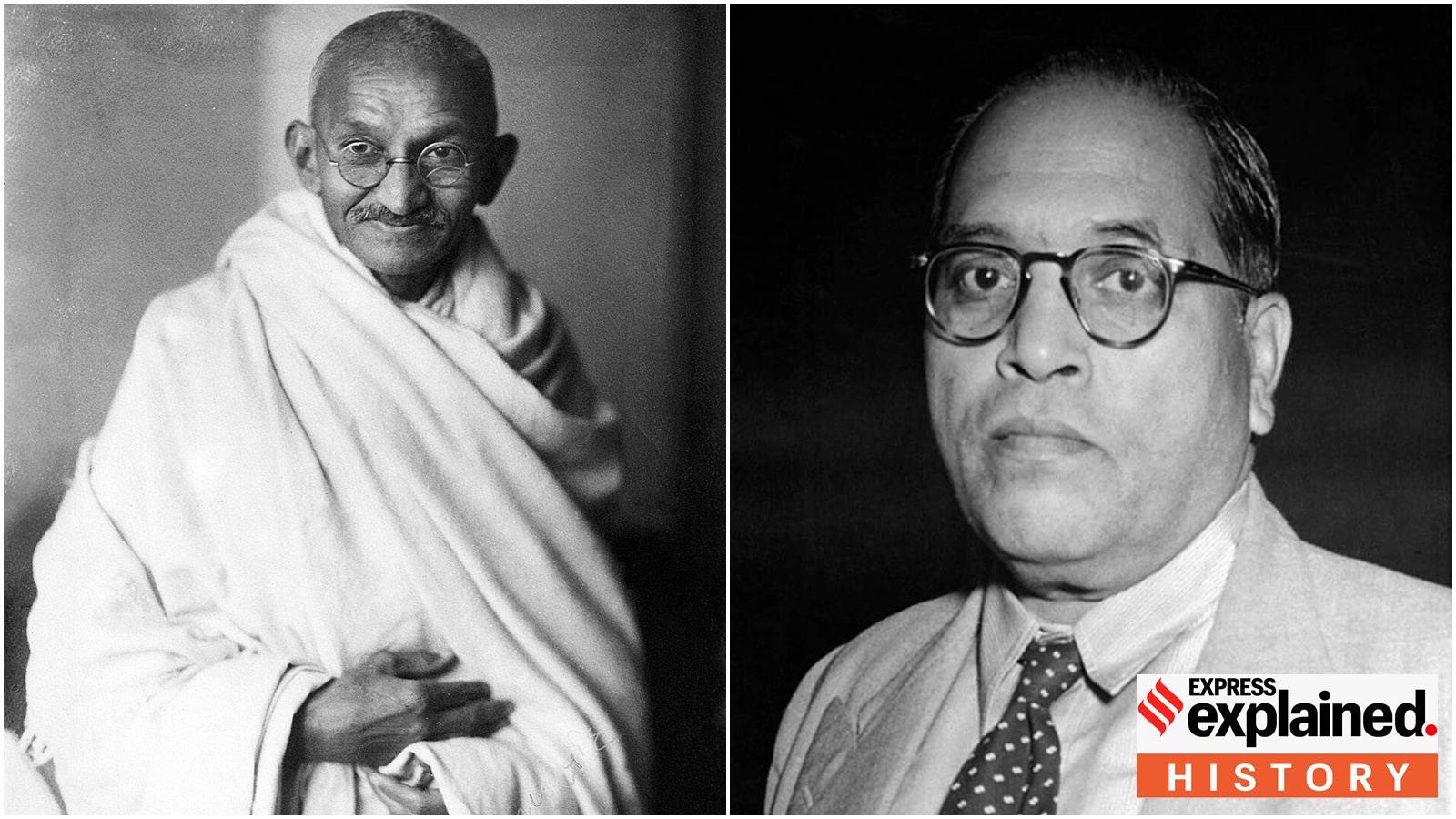
The 1932 Communal Award was a pivotal moment in Indian history that pitted Mahatma Gandhi against Dr. B.R. Ambedkar over the issue of separate electorates for the depressed classes. Explore the deep-rooted conflict and the eventual resolution via the Poona Pact.
- The Communal Award was announced by British PM Ramsay MacDonald in August 1932.
- It granted separate electorates to religious minorities and the 'Depressed Classes' (Dalits).
- Gandhi opposed it, fearing a permanent schism in Hindu society, while Ambedkar viewed it as essential for political empowerment.
- The conflict concluded with the Poona Pact, replacing separate electorates with reserved seats under a joint electorate.
In August 1932, the British government, under Prime Minister Ramsay MacDonald, announced the Communal Award. This directive sought to allocate political representation to various minority groups in India. Most controversially, it recognized the 'Depressed Classes' as a distinct minority, granting them separate electorates for a period of 20 years and 71 special seats in provincial legislatures.
Separate electorates meant that candidates from the Depressed Classes would be elected solely by voters of their own community. Dr. B.R. Ambedkar was the primary architect and advocate of this demand. He argued that upper-caste reformers, including Gandhi, could not truly represent the interests of the marginalized. For Ambedkar, separate electorates were not just a political tool but a safeguard against the hegemony of caste Hindus.
Why This Matters
BozokMedia analysis shows that this clash represented a fundamental divergence in the philosophy of liberation. While Gandhi focused on 'moral reform' and the integration of the outcastes into the Hindu fold, Ambedkar championed 'legal rights' and systemic political autonomy. This tension continues to echo in contemporary debates over reservation and social identity in India.
Mahatma Gandhi viewed the Award as a catastrophic blow to Hindu unity. He believed that separate electorates would institutionalize untouchability by creating a permanent political divide within the Hindu community. In a dramatic move, Gandhi wrote to the British Secretary of State, Samuel Hoare, warning that he would resist the move "with his life."
"The Communal Award was a classic example of British 'divide and rule' strategy, though it served as a catalyst for the Dalit political awakening."
On September 20, 1932, Gandhi began a "fast unto death" in Poona. The stakes were immense: the life of the nation's most prominent leader versus the political aspirations of the most oppressed community. The fast sparked intense debate across India, with some calling it a necessary act of conscience and others viewing it as undue pressure on the Depressed Classes.
| Perspective | Dr. B.R. Ambedkar | Mahatma Gandhi |
|---|---|---|
| Electoral System | Separate Electorates | Joint Electorates |
| Primary Goal | Political Autonomy & Rights | Social Integration & Unity |
| Methodology | Legal & Constitutional Safeguards | Moral Persuasion & Penance |
The deadlock was eventually broken by the Poona Pact. Under immense pressure and in the interest of saving Gandhi's life, Ambedkar agreed to a compromise. He relinquished the demand for separate electorates in exchange for a significantly higher number of reserved seats for the Depressed Classes within the joint electorate system. This ensured that while the community had guaranteed representation, the voters remained integrated.
Frequently Asked Questions
Q1: What was the core of the Communal Award?
A: It was a British policy that provided separate electorates for minorities, including the Depressed Classes, allowing them to elect their own representatives.
Q2: How did the Poona Pact resolve the conflict?
A: It replaced separate electorates with reserved seats under a joint electorate, satisfying Gandhi's need for unity and Ambedkar's need for representation.