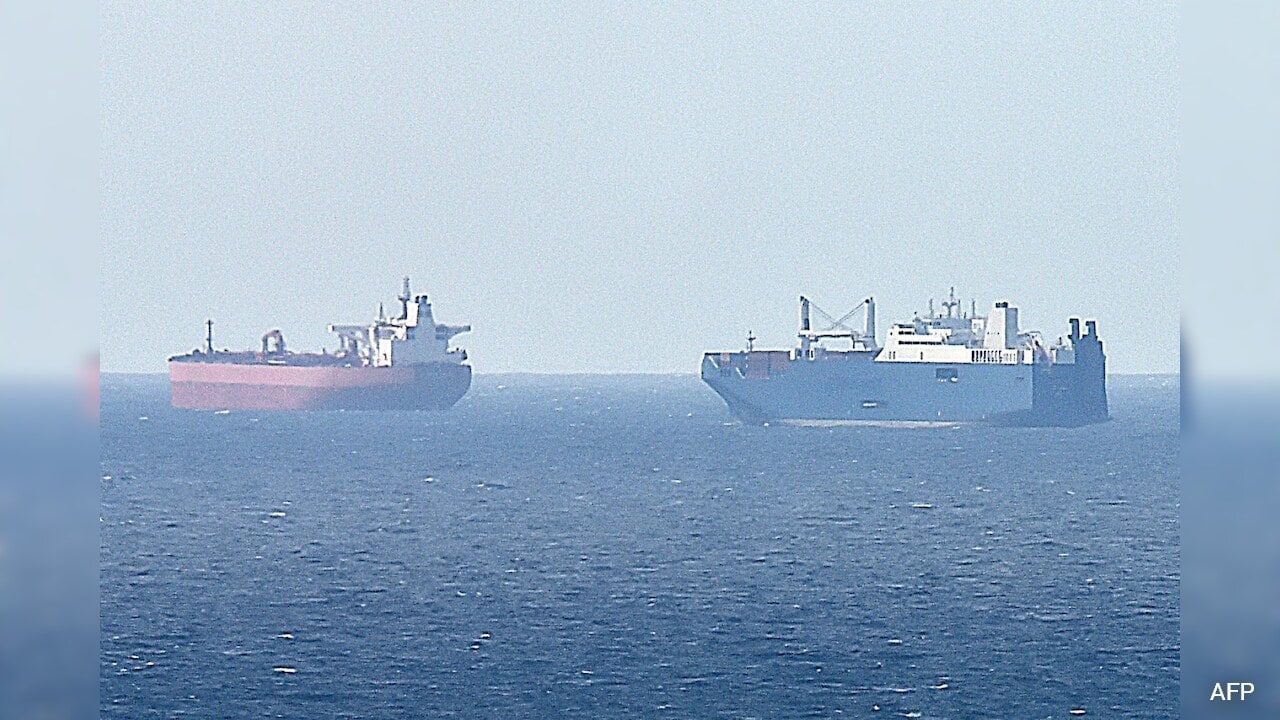
Mysterious drones that hovered over major European airports and NATO nuclear bases appear to have been launched from Russian‑linked commercial vessels. An IISS study maps the covert operation and highlights glaring gaps in Europe’s air‑defence posture.
Between August 2024 and February 2026, intelligence analysts recorded 144 distinct drone sightings across Europe – a pattern that defies the usual hobbyist or Ukraine‑war‑related activity. The aircraft were repeatedly described as “professional” or “military‑style”, suggesting a coordinated effort rather than isolated incidents.
Methodology and Data Sources
The UK‑based International Institute for Strategic Studies (IISS) cross‑referenced Automatic Identification System (AIS) maritime traffic logs with open‑source intelligence. By tracking vessels that routinely carried sanctioned Russian oil – the so‑called “shadow fleet” – the institute pinpointed ships that were in close proximity to each drone event.
Geographic and Temporal Distribution
Nearly half (48%) of the sightings occurred over military installations, 26% over critical infrastructure such as ports, energy plants and industrial complexes, and 18% over civilian airports. Most incidents unfolded during night‑time or pre‑dawn hours, a timing that maximises visual concealment and reduces the likelihood of early detection.
Strategic Role of the Shadow Fleet
Russia’s shadow fleet operates under opaque registries, ferrying embargoed oil while masking true ownership. IISS findings indicate that several drone launches originated within a few nautical miles of these vessels, implying that the fleet is being weaponised as a mobile launch platform. This maritime‑to‑air tactic sidesteps conventional military deployment and exploits gaps in both naval and air surveillance.
Implications for European Defense and Possible Countermeasures
The spate of low‑cost, high‑maneuverability drones exposes vulnerabilities in Europe’s integrated air‑defence architecture. Without dedicated low‑altitude radar or dedicated counter‑UAS (Unmanned Aerial System) assets, such incursions can slip through undetected. Experts urge NATO to deepen maritime‑air coordination, fuse AIS data with real‑time UAS tracking, and consider tightening international shipping regulations to curb the shadow fleet’s operational latitude.