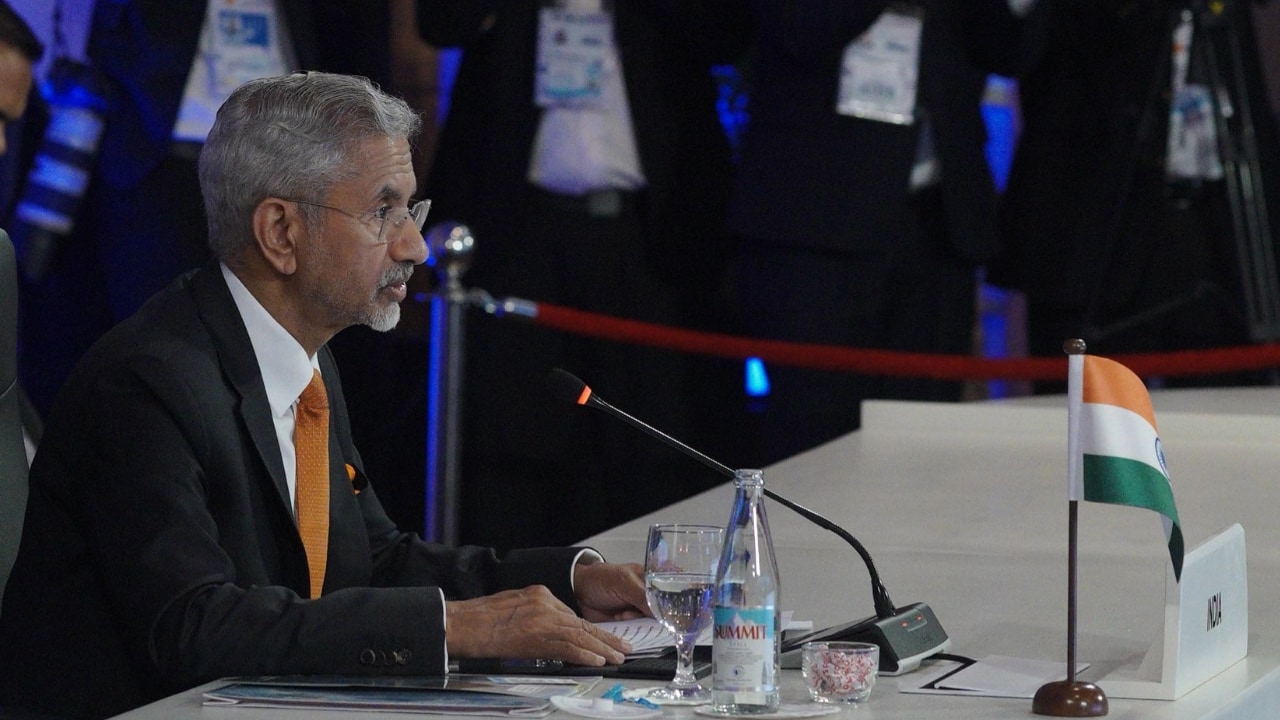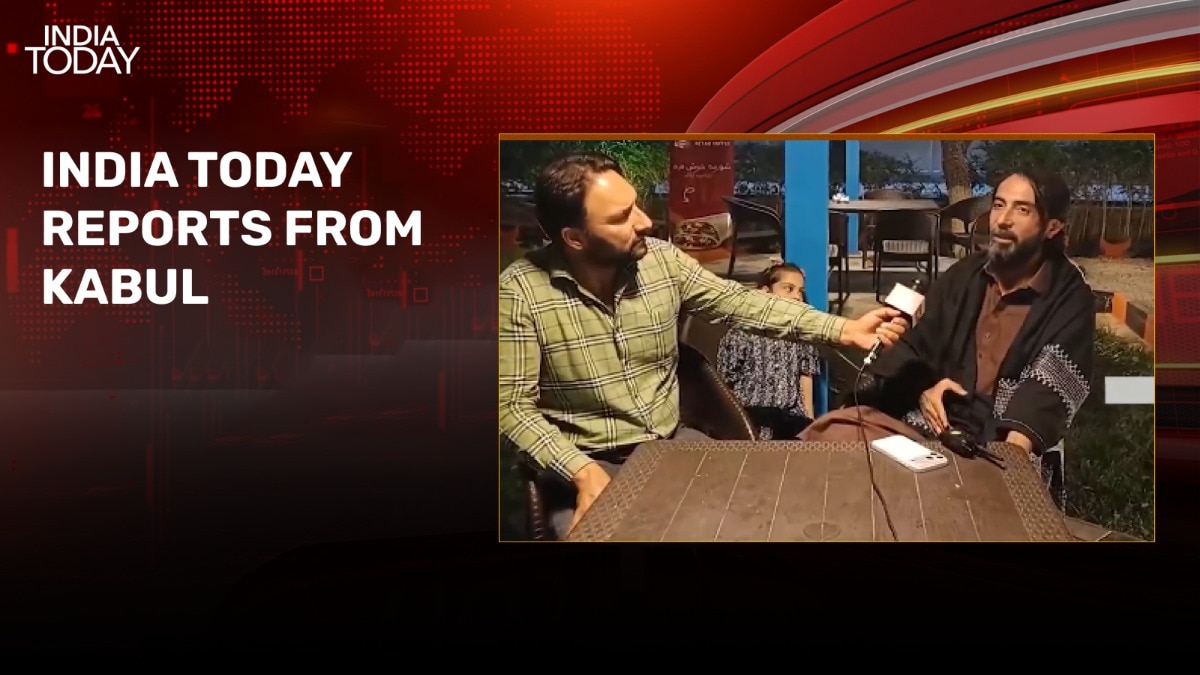
Afghanistan has signaled a desire to deepen ties with India, proposing eased visa rules and a push for greater economic cooperation. The diplomatic outreach promises regional stability benefits as both nations explore new partnership avenues.
Afghanistan has recently expressed a clear intent to strengthen its bilateral relationship with India, highlighting plans to ease visa regulations and broaden trade partnerships. The move aligns with India's expanding diplomatic outreach across the Asia‑Pacific, where new economic accords and security collaborations are being prioritized.
Key Points of Visa Relaxation
India's Ministry of External Affairs announced that tourist, student, and medical visas for Afghan citizens will now undergo a streamlined process. Reduced processing times, minimal documentation, and faster security clearances aim to open Indian educational institutions and industries to Afghan youth and professionals.
A New Chapter in Trade Cooperation
Negotiations that began in late last year focus on investments in agriculture, energy, infrastructure, and information technology. Protocols are being drafted to channel Afghan agricultural exports into the Indian market, while Indian tech firms are eyeing participation in Afghanistan's reconstruction projects.
Historical Context and Strategic Significance
The India‑Afghanistan relationship has long been marked by mutual assistance and cultural exchange. In the 1990s, India provided humanitarian aid to Afghan refugees, and today many Afghan refugees continue to hope for family reunification in India. Under India's "North East Connect" strategy, Afghanistan is now a key focus for economic and security cooperation.
Future Challenges and Opportunities
Despite the positive signals, both nations must maintain dialogue on security, infrastructure development, and political stability. Ongoing conflict within Afghanistan and limited international aid could complicate implementation. Nonetheless, analysts contend that a committed partnership could deliver mutual benefits and contribute to broader regional peace and prosperity.