Pakistan’s security forces reported killing 54 militants after coordinated attacks in Balochistan left 42 people dead, including 38 security personnel. The operation was framed as a response to cross‑border networks and alleged Indian support, both denied by the accused parties.
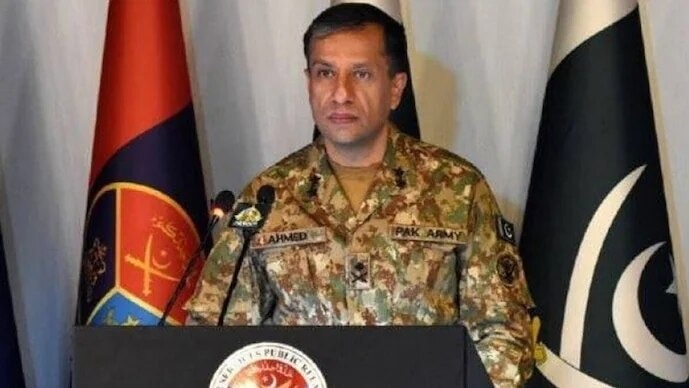
Pakistan’s military announced on Wednesday that security forces eliminated 54 militants in a series of retaliatory operations across Balochistan after coordinated attacks over the past four days claimed 42 lives, including 38 members of the security establishment. The statement was delivered by Lieutenant General Ahmed Sharif Chaudhry, Director General of the Inter‑Services Public Relations (ISPR), during a press briefing.
Key Incidents
The first strike targeted a police checkpoint in Ziarat, where officers repelled the assault and killed 15 militants before reinforcements arrived. A second attack unfolded on July 6 at the strategic Mangi Dam, a vital water source for Quetta; security units swiftly secured the site and neutralised the assailants. Separate operations in Khara and Dalbandin resulted in six and eight militants being killed respectively.
Major Highway Operation
The largest engagement occurred on the N‑25 highway between Jhaw Cross and Kararo. Intelligence indicated militants had blocked the road and were extorting travellers. Prompt action by security forces led to a fierce clash that ended with 19 militants dead, while 11 soldiers were also martyred in the encounter.
Cross‑border Allegations and Political Overtones
Pakistan’s army linked many of the attackers to Afghan nationals, accusing the Afghan Taliban of providing manpower for anti‑Pakistani operations. At the same briefing, Chaudhry also accused India of backing militant activities aimed at destabilising Balochistan, a claim India has repeatedly dismissed as baseless.
Strategic Significance of Balochistan
As Pakistan’s largest province by area, Balochistan has been a flashpoint for separatist, Islamist and nationalist insurgencies for decades. Its abundant mineral resources, access to the Arabian Sea via the Gwadar port, and borders with Iran and Afghanistan make it a geopolitically sensitive region. The province’s chronic instability therefore has ripple effects across South Asia.
Looking Ahead
While the swift security response prevented a larger campaign of terror, the persistence of militant networks and alleged cross‑border links suggest that a purely kinetic approach will not deliver lasting peace. Sustainable stability will require a blend of political dialogue, socio‑economic development, and inclusive governance to address the root causes of dissent.