Over a span of two years, Lawrence Bishnoi’s criminal network was escalated from a Canadian police focus to a full‑blown terrorist designation, culminating in the FBI’s Operation Hard Ball. The case underscores rising security tensions among India, Canada and the United States while exposing a trans‑national extortion and violence syndicate.
Background
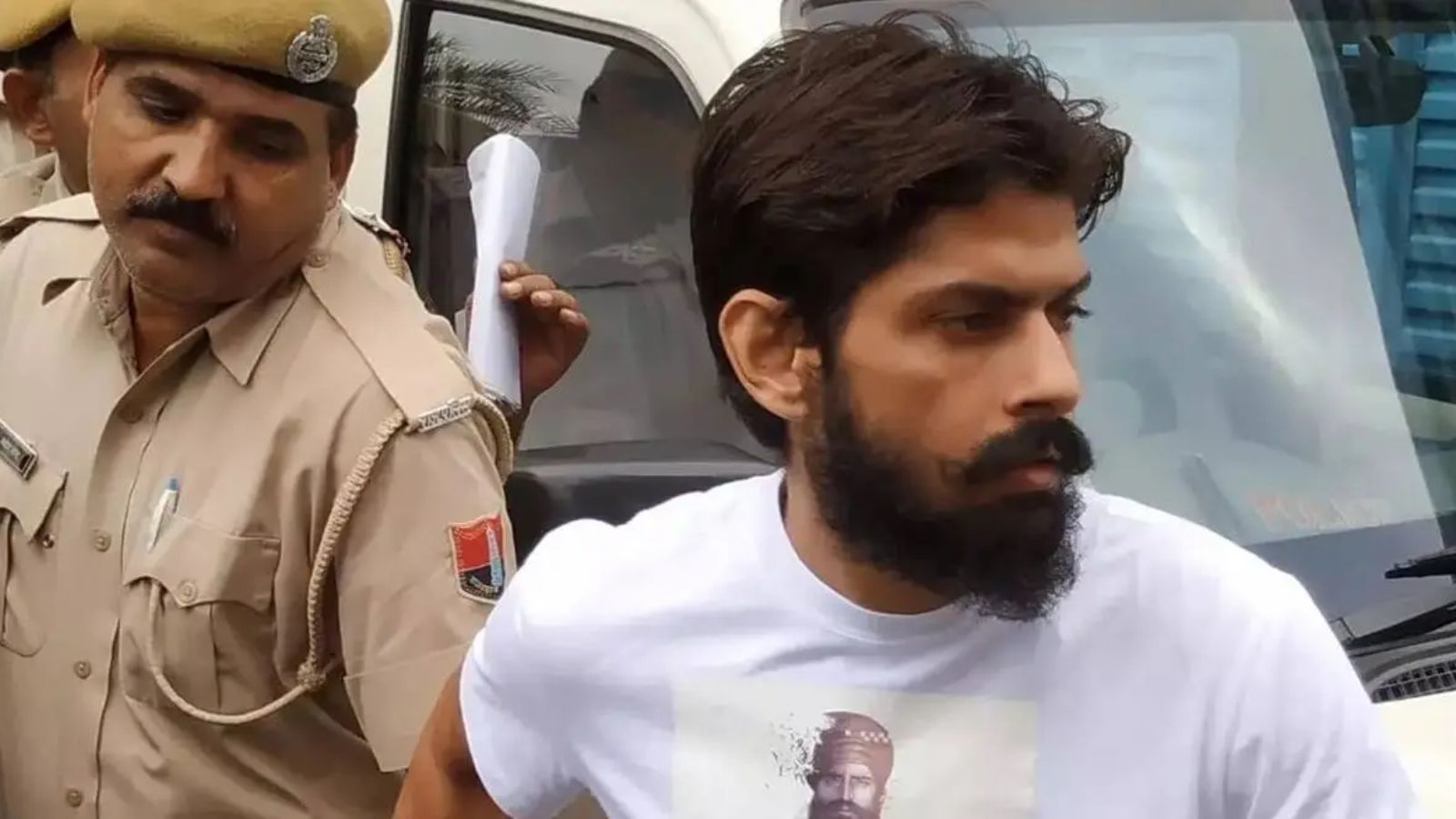
Lawrence Bishnoi first entered public discourse in India as a violent offender linked to several murders, arson attacks and intimidation schemes. By 2024, Canadian authorities began to associate his name with a loosely‑structured gang operating out of British Columbia, with Satinderjeet Singh, alias Goldy Brar, identified as his principal lieutenant.
Canadian Actions
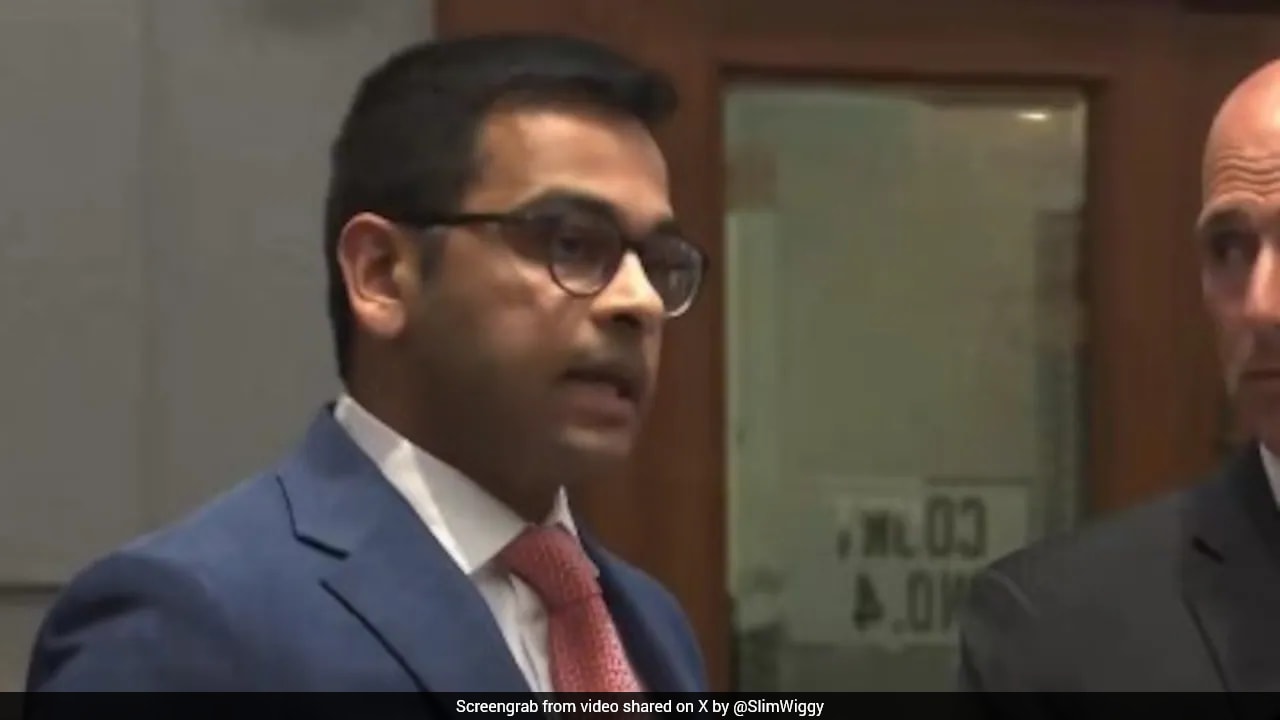
On 14 October 2024, the Royal Canadian Mounted Police (RCMP) publicly named the Bishnoi group during a televised press conference on foreign interference. The police claimed the network was being weaponised against pro‑Khalistan activists, a narrative that revived diplomatic friction after the 2023 killing of Hardeep Singh Nijjar in Surrey.
Throughout 2025, a spate of extortion‑related shootings targeting South‑Asian businesses in British Columbia forced provincial premier David Eby to call for a terrorist‑designations order. In August, Abbotsford police intercepted a letter allegedly from the Bishnoi gang boasting a force of “1,000 foot soldiers” ready to carry out shootings across Canada.
U.S. Indictments
Following Canada’s formal terrorist listing on 29 September 2025, the U.S. Department of Justice launched Operation Hard Ball. The FBI’s indictment named Bishnoi and Goldy Brar for crimes allegedly committed on Canadian soil, including murder‑for‑hire, weapon trafficking and intimidation of witnesses.
One notable case involved a California resident, Jasmeet Singh, who was charged with issuing death threats on behalf of the gang to a witness who had assisted Indian investigators. Earlier, in December 2023, the Sacramento FBI office documented an attempt by Bishnoi to coordinate a drive‑by shooting against a victim’s vehicle.
Implications and Future Outlook
The terrorist designation has opened a new chapter of tri‑national law‑enforcement cooperation. While it offers a measure of protection for vulnerable South‑Asian entrepreneurs in Canada, it also raises complex questions about cross‑border criminal finance, digital communications and the efficacy of immigration enforcement.
Experts warn that unless the Bishnoi network is dismantled at its financial and operational cores, it could become a template for other organized‑crime groups seeking to exploit diaspora communities. Continued intelligence sharing and coordinated asset‑freezing will be essential to prevent a resurgence of similar trans‑national syndicates.