China's coast guard radioed cargo vessels passing Taiwan for crew and destination details, marking the first such contact. Analysts view the move as a strategic shift toward permanent maritime enforcement in the region.
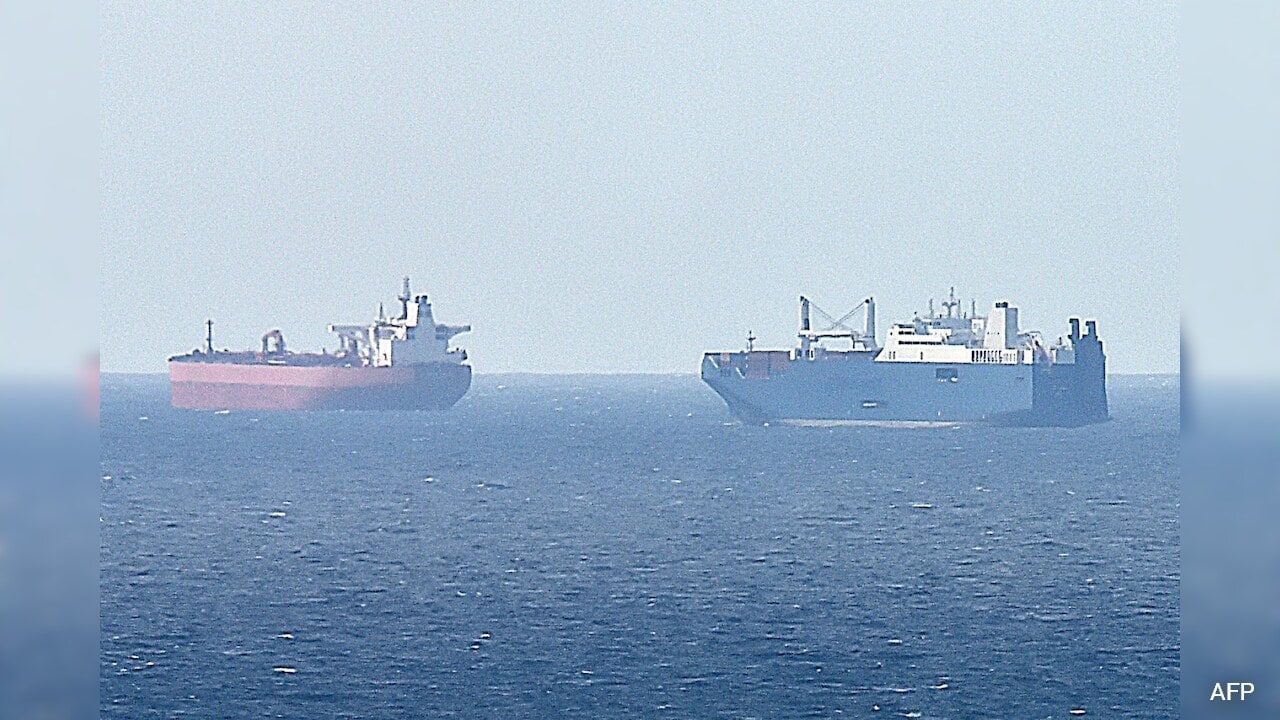
Beijing has declared a "new normal" by maintaining continuous coast guard patrols east of Taiwan, raising fresh concerns over the island's security and the applicability of international maritime law. During a recent operation, Chinese coast guard vessels radioed three passing cargo ships, requesting information on crew numbers, cargo and final ports of call – a first in the waters surrounding Taiwan.
Background and Historical Context
The Western Pacific has long been a flashpoint between China and the self‑governing island of Taiwan. While earlier Chinese activities were limited to occasional "blockade‑style" exercises, the past year has seen a marked escalation in Beijing's maritime presence. Senior analyst William Yang of the International Crisis Group notes that the shift from sporadic drills to regular law‑enforcement patrols signals a re‑definition of China's claimed rights within its exclusive economic zone (EEZ).
Details of the New Patrols
In June, the China Coast Guard launched its first "law‑enforcement operation" in the area. For the first time, it contacted three commercial vessels, asking for crew size and destination. One Singapore‑flagged container ship complied, providing the requested data. Taiwan's Deputy Minister for Ocean Affairs, Sung Chen‑en, described the episode as an attempt by Beijing to create a reporting model for the shipping community, urging immediate action to prevent a precedent from taking hold.
Taiwan's Response and International Reaction
In response, Taiwan deployed two of its own coast guard ships to shadow the Chinese vessels, which have been operating between 74 and 124 nautical miles (137‑230 km) from Taiwan's shoreline – well inside the island's EEZ. National Security Bureau Director‑General Tsai Ming‑yen reported a record deployment of over 110 PLAN and CCG vessels in the First Island Chain, indicating an "upward trend" in Chinese maritime activity during its peak exercise season. The United States, European Union, Japan and several other Western governments have condemned the operation as "expansionism in disguise".
Strategic Analysis
Gregory Poling, director of the Asia Maritime Transparency Initiative at the Center for Strategic and International Studies, warns that Beijing is claiming enforcement rights far beyond what international law permits. Su Tzu‑yun, a military expert at Taiwan's Institute for National Defense and Security Research, says the radio verification process is a rehearsal for future blockades or quarantines. He characterises the patrols as establishing "new operational norms" that could be weaponised in a crisis.
The pattern fits what analysts refer to as China's "sashimi strategy" – a series of thin, almost imperceptible slices that, when combined, shift the strategic balance. By normalising such patrols, China is laying the groundwork for a long‑term, low‑intensity pressure campaign against Taiwan and the broader Indo‑Pacific maritime order.