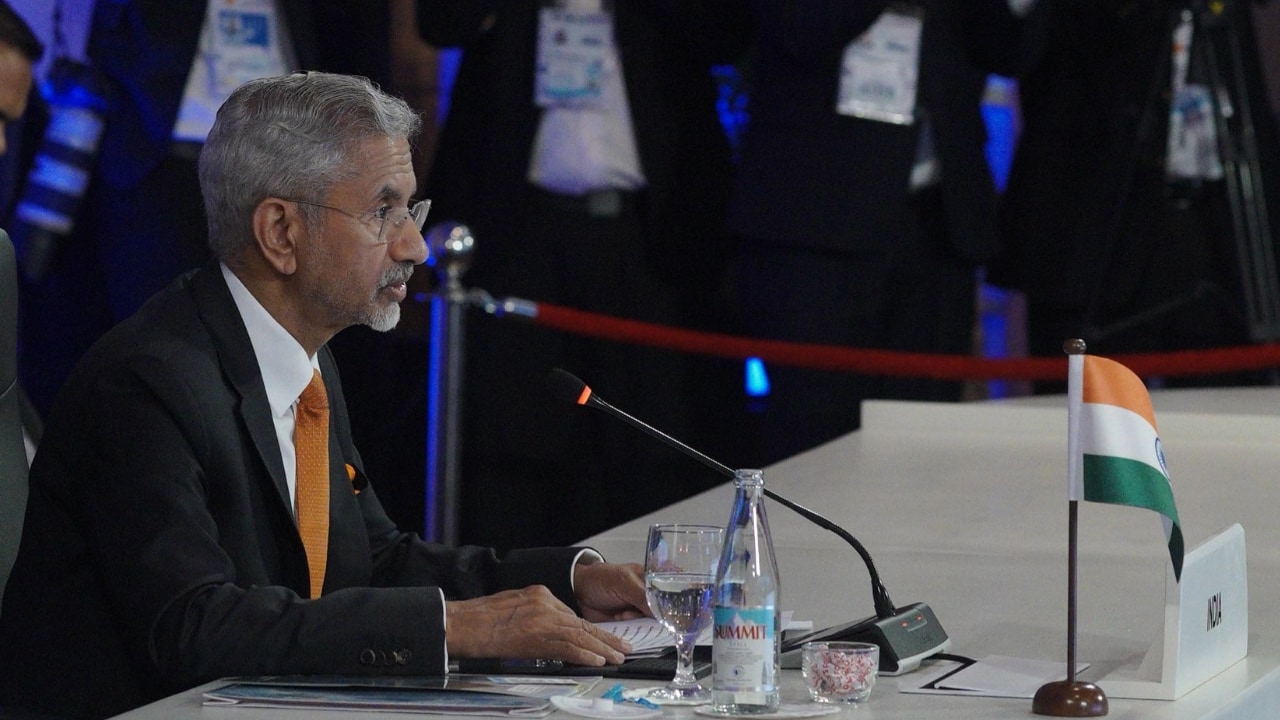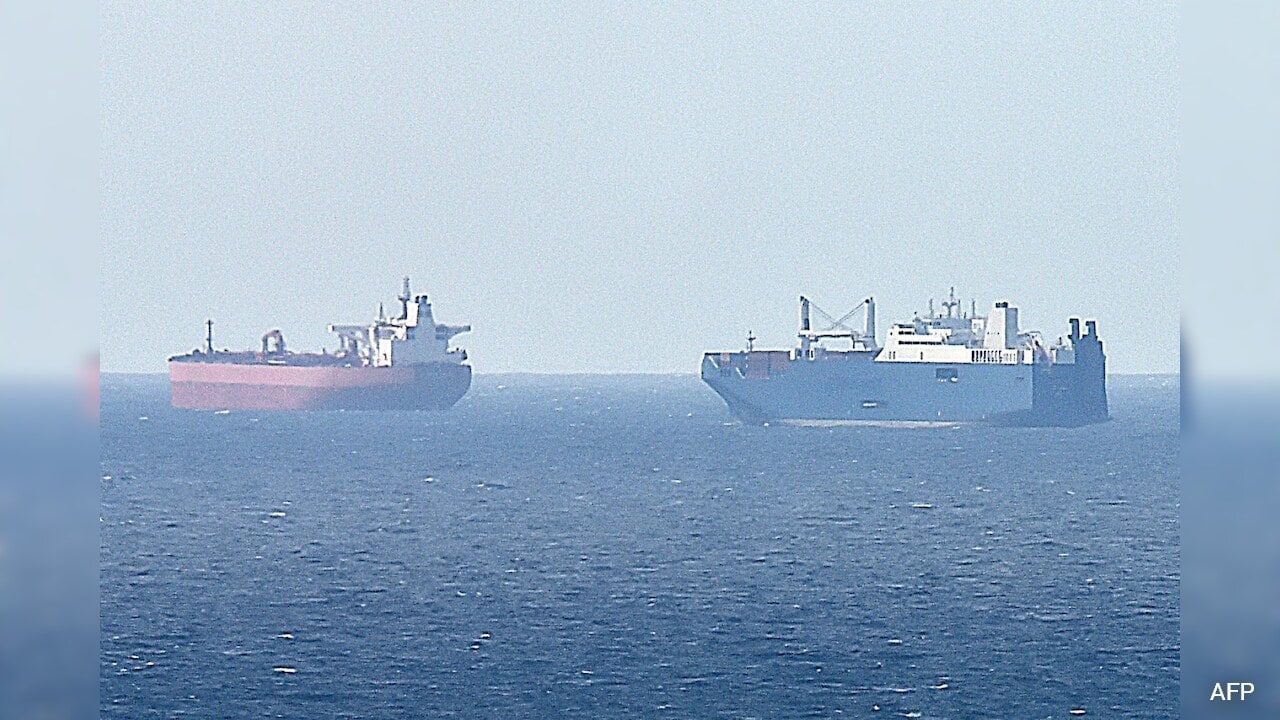
India has voiced deep concern over escalating West Asian tensions and recent attacks on commercial vessels. The Ministry of External Affairs called on all parties to exercise restraint, protect civilian trade routes and return to diplomatic dialogue.
New Delhi on Wednesday expressed profound worry about the mounting volatility in West Asia after fresh assaults on commercial shipping lanes. The Ministry of External Affairs (MEA) warned that such incidents threaten not only regional peace but also the uninterrupted flow of global trade and energy supplies.
Escalation of Hostilities
The United States recently launched a large‑scale air campaign against Iranian military installations, which officials described as four to five times larger than the strikes carried out ten days earlier. In retaliation, Iran fired missiles at Bahrain and Kuwait, prompting missile alerts in both Gulf states. Iran’s Revolutionary Guard confirmed targeting U.S. facilities in the two countries.
India’s diplomatic appeal
In its statement, MEA said, "These developments risk undermining regional peace, security and stability." It urged all parties to "exercise restraint, de‑escalate tensions, and ensure the protection of civilians as well as the uninterrupted flow of energy supplies and commerce." The ministry further emphasized the need for the warring sides to "return to dialogue and diplomacy to achieve a peaceful and lasting solution."
US‑Iran friction and broader ramifications
Former President Donald Trump, speaking at the NATO summit in Turkey, declared the cease‑fire with Iran effectively over, calling it "a waste of time." His remarks added political weight to an already fragile situation. Iranian Parliament Speaker Mohammad Bagher Qalibaf later posted on X, "The era of bullying and extortion is over; it leads nowhere," signalling Tehran’s resolve to push back.
Strategic stakes for global trade
The Strait of Hormuz remains a chokepoint for a sizable share of the world’s oil and gas shipments. Any prolonged disruption could trigger spikes in energy prices, disturb supply chains, and hamper economic growth across South Asia, which heavily depends on imported energy. In this context, India’s call for restraint and dialogue carries added significance given its strategic maritime interests and its status as a major energy importer.
Overall, India’s measured response seeks to balance its own security concerns with a broader push for regional stability. The success of its appeal hinges on whether the involved actors can shift from kinetic retaliation to diplomatic engagement, thereby averting further escalation that could reverberate through global markets.