Following extensive US attacks on Iran after vessel assaults in the Strait of Hormuz, Iran's Revolutionary Guard struck US military installations in Bahrain and Kuwait. Both sides reported hitting dozens of targets, raising fears of a wider regional escalation.
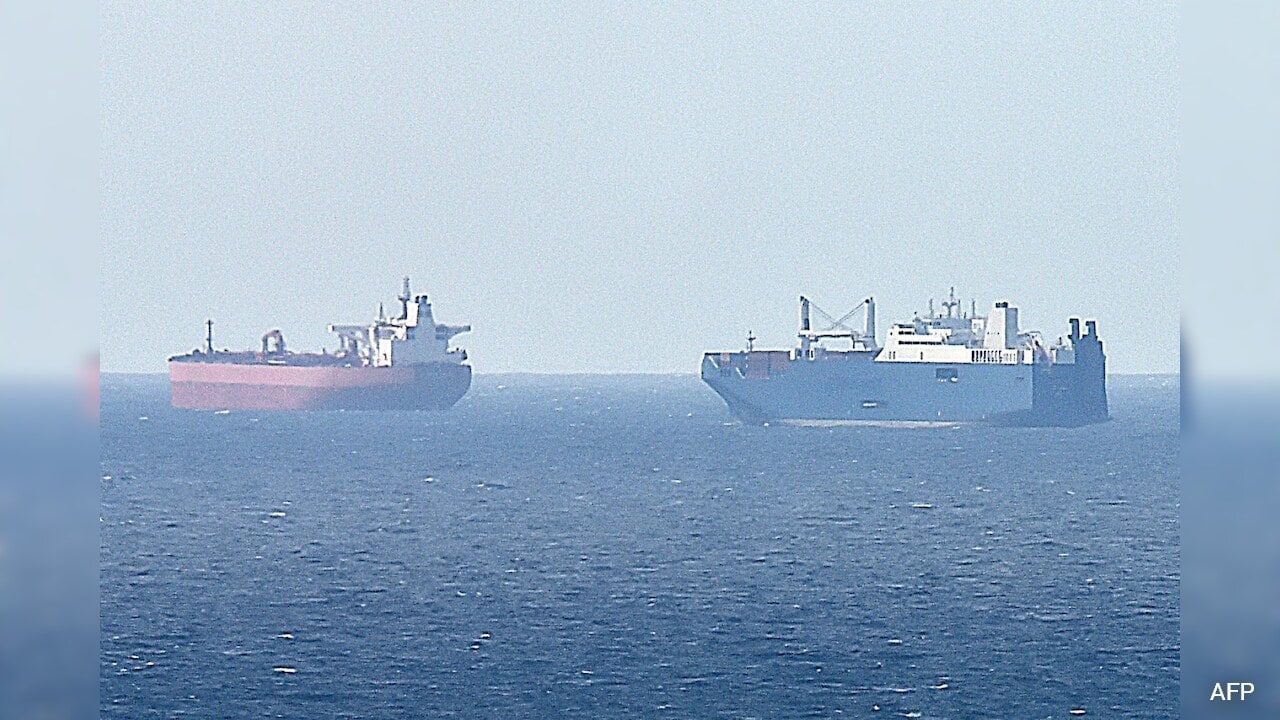
The United States rolled out a series of large‑scale air and naval strikes against Iran in response to attacks on commercial vessels navigating the strategically vital Strait of Hormuz. The operation, described by Washington as a defensive measure, instantly provoked a counter‑offensive from Iran’s Islamic Revolutionary Guard Corps (IRGC), which targeted American bases in Bahrain and Kuwait.
Historical Context and Strategic Stakes
The Hormuz Strait is one of the world’s most critical oil chokepoints, carrying roughly 20% of global petroleum flow. Over the past two decades, the waterway has been a flashpoint for Tehran‑Washington tensions, from the 2019 drone attacks on oil tankers to the 2020 downing of a US MQ‑9 drone by Iranian forces. These incidents have deepened mutual distrust and kept the region on a perpetual edge of conflict.
Details of Iran’s Retaliatory Strikes
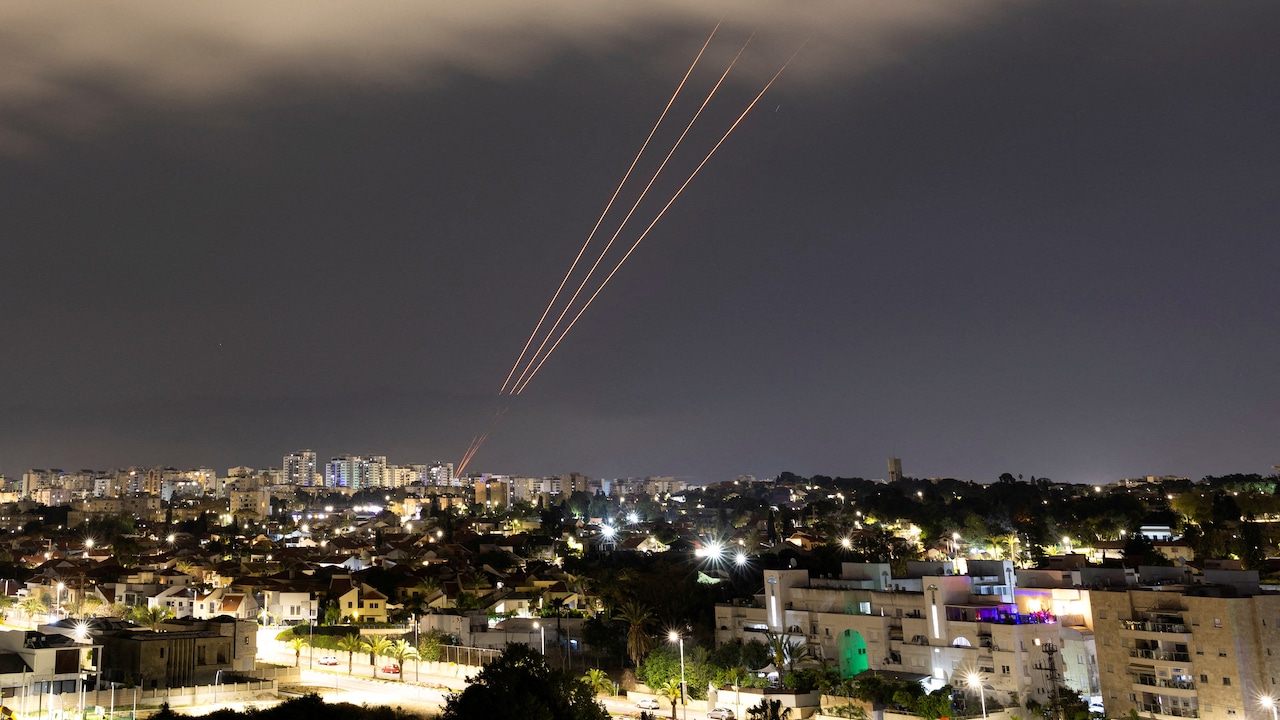
Open‑source footage and satellite imagery show IRGC missiles slamming the Al‑Dhofar airbase in Bahrain and the Al‑Hajm airbase in Kuwait. In a televised statement, Iran declared, “We have struck the American installations that dared to attack us, delivering a precise and proportional response.” The US Department of Defense confirmed the destruction of multiple Iranian targets but stopped short of verifying the success of the Iranian missiles.
US Response and Strategic Outlook
Washington reiterated that its actions were “necessary for the protection of freedom of navigation” and pledged continued surveillance of Iranian activities. Senior US officials warned that further Iranian aggression could trigger additional military measures. Meanwhile, the European Union and the United Nations called for immediate de‑escalation, emphasizing that any disruption in Hormuz would reverberate across global energy markets.
Implications for the Region and Global Economy
Security analysts warn that the tit‑for‑tat exchange marks the most volatile chapter yet in the US‑Iran rivalry. If diplomatic channels remain closed, the conflict could spill into neighboring states such as Saudi Arabia and Israel, potentially sparking a broader Middle‑East confrontation. Moreover, any blockage of Hormuz traffic would likely drive oil prices upward, exacerbating worldwide economic uncertainty. The situation underscores the urgent need for renewed diplomatic engagement to prevent an uncontrolled escalation.