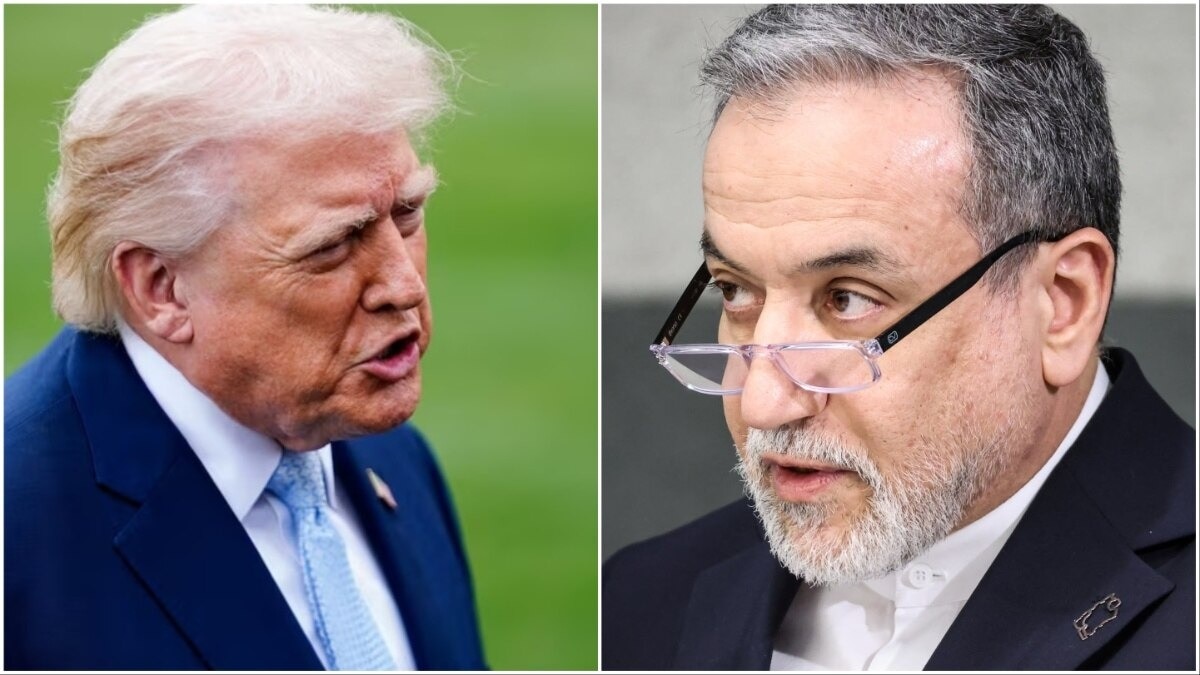
U.S. President Donald Trump labeled Iranians as ‘degenerate and sick‑minded’, prompting a sharp diplomatic response from Iran’s foreign minister Abbas Araghchi. The exchange revives tensions while both sides call for continued dialogue with regional partners.
Long‑standing friction between Washington and Tehran has taken a new turn after President Donald Trump publicly called Iranians ‘degenerate and sick‑minded’. The comment sparked outrage in Tehran, leading Foreign Minister Abbas Araghchi to issue a firm yet civil rebuttal, insisting that “we will answer indecency with boldness, not with indecency.”
Background and Recent Diplomatic Moves
Last year, the two nations signed a Memorandum of Understanding (MOU) in Islamabad, heralded as a tentative step toward lasting peace in West Asia. Despite the symbolic gesture, lingering sanctions and mutual mistrust kept the relationship fragile. Trump’s latest statement has reignited those underlying tensions, prompting close scrutiny by the global diplomatic community.
Trump’s Controversial Statement
Speaking on a press briefing about the cease‑fire situation, Trump remarked, “In my view it’s over. I have no interest in dealing with Iranians – they’re degenerate, sick‑minded people led by cruel and violent leaders.” The language, viewed by many analysts as a deliberate escalation, not only insulted the Iranian public but also threatened to derail ongoing diplomatic channels.
Araghchi’s Strong Counter‑Response
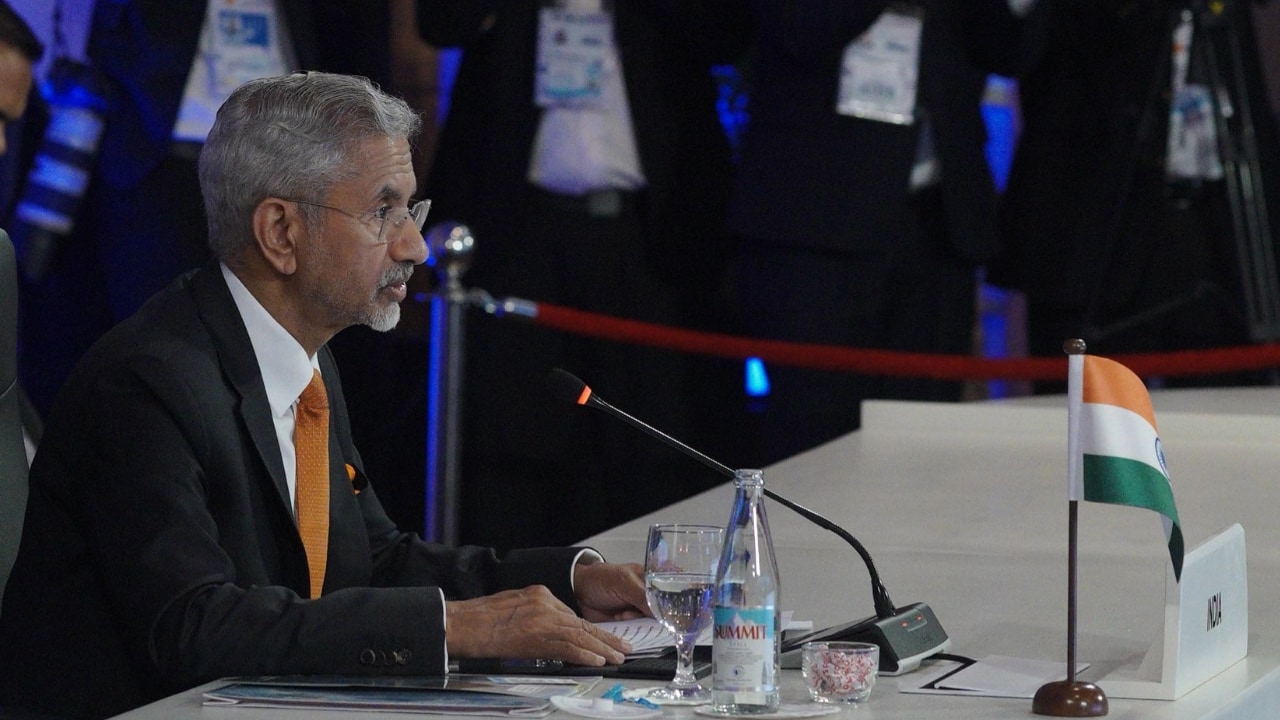
Araghchi swiftly responded, “We do not answer indecency with indecency; we answer with boldness and unwavering courage.” He highlighted Iran’s rich cultural heritage, resilient society, and strong moral values, asserting that insults would not diminish Iran’s greatness. Emphasising the need for dialogue, he called for continued coordination to curb rising tensions in the region.
Phone Talk with Qatar’s Foreign Minister
Amid the flare‑up, Araghchi also held a phone conversation with Qatar’s foreign minister. Both officials underscored the importance of sustained communication and joint efforts to prevent further escalation in the Middle East, signaling Tehran’s willingness to work with regional allies against external pressure.
Implications and Future Outlook
The exchange between Trump and Araghchi could reshape U.S.–Iran relations. A hardening stance may lead to tighter sanctions, volatility in global oil markets, and heightened security concerns. Conversely, a return to diplomatic engagement could revive the peace‑building momentum initiated by the Islamabad MOU, offering a pathway to stability in a volatile region.