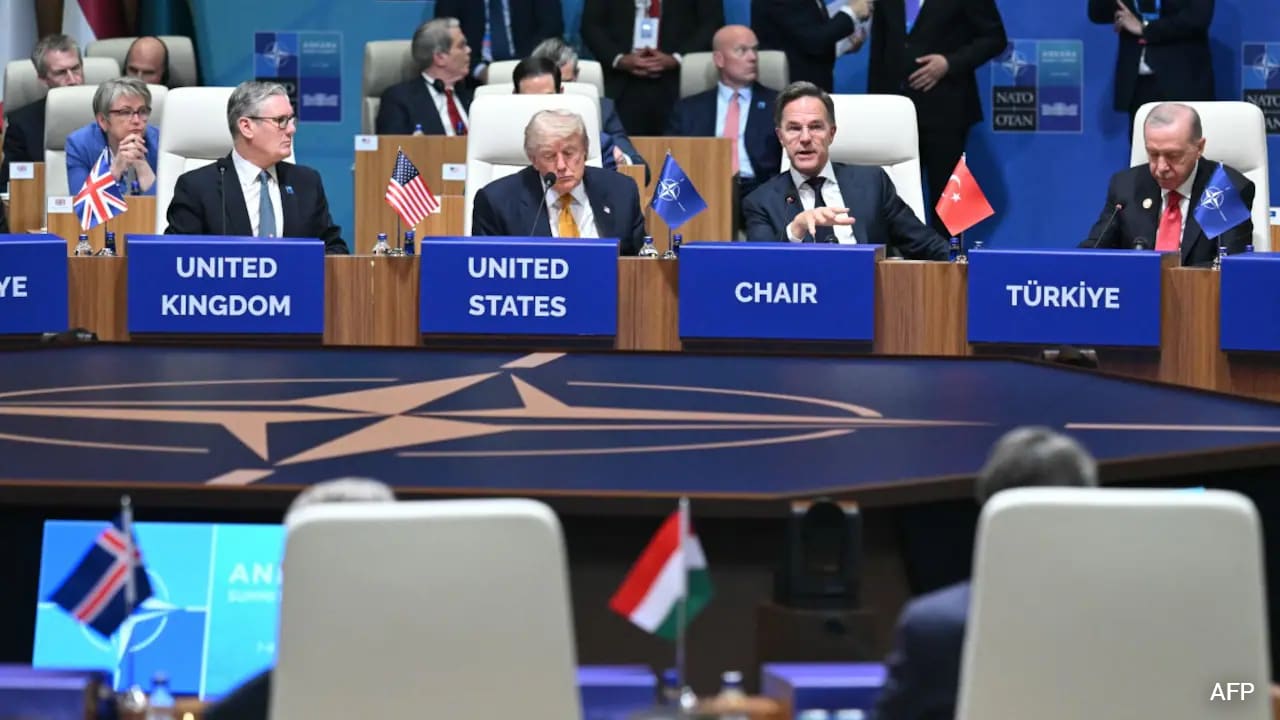
At the two‑day NATO summit in Ankara, Turkish President Recep Tayyip Erdogan presented a pistol to every attending leader, a claim made by British Prime Minister Keir Starmer. The gesture is being read as a nuanced diplomatic signal amid heightened Iran‑Israel tensions and the ongoing war in Ukraine.
The NATO summit in Ankara this week brought together heads of state and defence ministers from the alliance’s 31 member nations, alongside partner countries. Over two days, leaders debated security challenges ranging from the Ukraine war to rising tensions in the Middle East. Amid this high‑stakes setting, Turkish President Recep Tayyip Erdogan made an unexpected diplomatic move: handing each fellow NATO leader a small pistol as a gift.
Erdogan's Gift: The Symbolism of a Pistol
British Prime Minister Keir Starmer confirmed the detail, describing the gesture as "unconventional but intriguing." Analysts argue that the pistols serve a dual purpose – a personal token of goodwill and a subtle reminder of Turkey’s growing defence‑industry ambitions. By offering a firearm, Erdogan appears to underscore Turkey’s relevance in NATO’s collective security architecture, especially as European allies reassess defence spending and strategic priorities.
Geopolitical Context
The summit unfolded against a backdrop of escalating geopolitical friction: Iran‑Israel proxy clashes, Russia’s invasion of Ukraine, and volatile energy markets in the region. Turkey, a pivotal NATO member straddling Europe and the Middle East, has been navigating a delicate balance between its NATO commitments and independent foreign‑policy moves. The pistol giveaway is seen by some scholars as a signal that Ankara wishes to deepen its arms‑export ties and cement a more prominent role within the alliance.
Starmer's Reaction and Possible Ramifications
Starmer characterised the episode as a "new form of security collaboration," noting that the gesture could open fresh channels for dialogue between Britain and Turkey. While the United Kingdom enjoys a robust defence partnership with Ankara, the pistols sparked debate among European officials who questioned the propriety of gifting weapons at a diplomatic forum. Critics warned that such actions could erode established norms of diplomatic conduct and set a precedent for militarised symbolism in future summits.
Looking Ahead
In the weeks following the summit, the impact of Erdogan’s pistols will likely reverberate through NATO’s internal dynamics. If Turkey continues to leverage such symbolic gestures, it may reshape alliance discussions on burden‑sharing, procurement, and regional security cooperation. Conversely, European nations may push for clearer guidelines on acceptable diplomatic gifts, reinforcing the alliance’s commitment to civilian‑first principles.