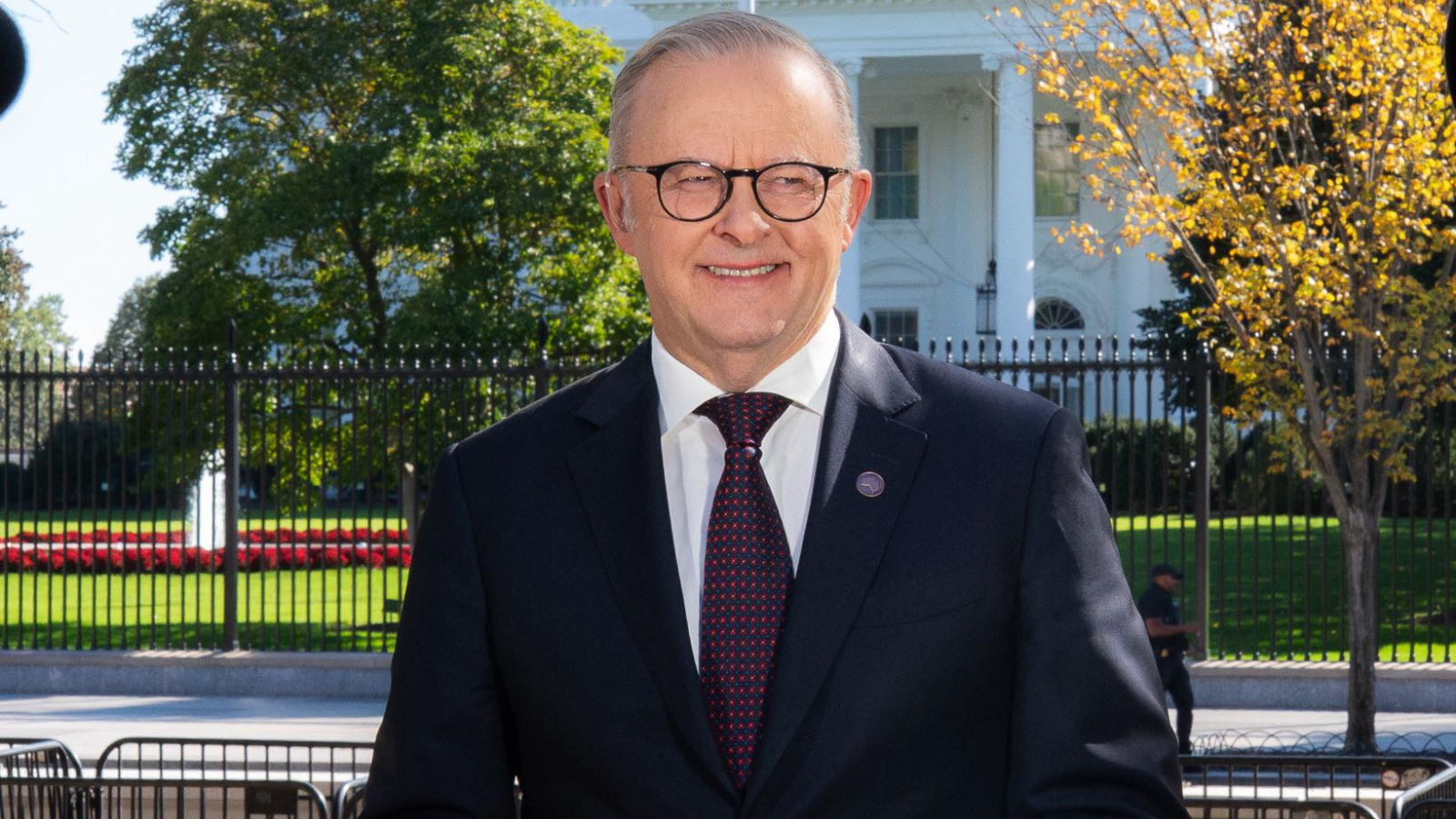
Prime Minister Narendra Modi will sit down with Australian Prime Minister Anthony Albanese today in Melbourne to discuss Indo‑Pacific security, critical minerals and education ties. It marks Modi’s third visit to Australia and his first Melbourne stop in 12 years, promising a fresh thrust to the comprehensive strategic partnership.
New Delhi (Divyang) – Prime Minister Narendra Modi will meet Australian Prime Minister Anthony Albanese today in Melbourne for the third annual summit, a cornerstone of the India‑Australia Comprehensive Strategic Partnership. The talks are expected to focus on deepening cooperation in the Indo‑Pacific region, securing supply chains for critical minerals, and expanding educational linkages.
Historical and Strategic Context
India‑Australia ties have accelerated dramatically over the past two decades. After the 2014 Comprehensive Strategic Partnership, the relationship was upgraded to a ‘Strategic Partnership’ in 2020, and both nations have intensified cooperation within the Quad framework since 2024. Modi’s Melbourne visit—his third to Australia and the first in a dozen years—underscores the two democracies’ intent to present a united front in the Indo‑Pacific, especially as regional power dynamics evolve.
Indo‑Pacific Vision and the MAHASAGAR Initiative
External Affairs Ministry spokesperson Randhir Jaiswal highlighted that the summit will advance the MAHASAGAR (Mutual and Holistic Advancement for Security and Growth Across Regions) agenda, targeting maritime awareness, regional security and the development of Small Island Developing States. As Quad partners, India and Australia are positioning themselves as stabilising forces, offering alternatives to the US‑China rivalry that dominates the Pacific.
Economic and Educational Partnerships
In parallel with the summit, the 2026 India‑Australia CEO Forum will bring together business leaders to discuss critical mineral supply chains—lithium, graphite, cobalt—and broader trade‑investment opportunities. Officials project a 15‑20% rise in bilateral trade over the next five years, driven by joint ventures in mining, renewable energy and high‑tech manufacturing.
On the education front, Australia’s New Education Policy alignment continues to bear fruit. Flinders University recently received approval to open a campus in India, joining seven other Australian institutions already operating on Indian soil. This expansion is expected to boost student mobility, joint research, and skill development aligned with both economies’ future needs.
The Role of the Indian Diaspora
Modi’s social‑media post emphasized his eagerness to engage with the Indian diaspora, describing it as a “key pillar of our partnership.” Nearly one million people of Indian origin now call Australia home, making it the fastest‑growing large diaspora community in the country. Their economic contribution and cultural bridge‑building are increasingly central to bilateral policy.
Governor‑General Sam Mostyn’s rare visit to Melbourne to meet Modi further signals the maturity of the relationship. Analysts predict that the outcomes of this summit will not only tighten bilateral ties but also embed India‑Australia cooperation into the broader architecture of Indo‑Pacific security and prosperity.