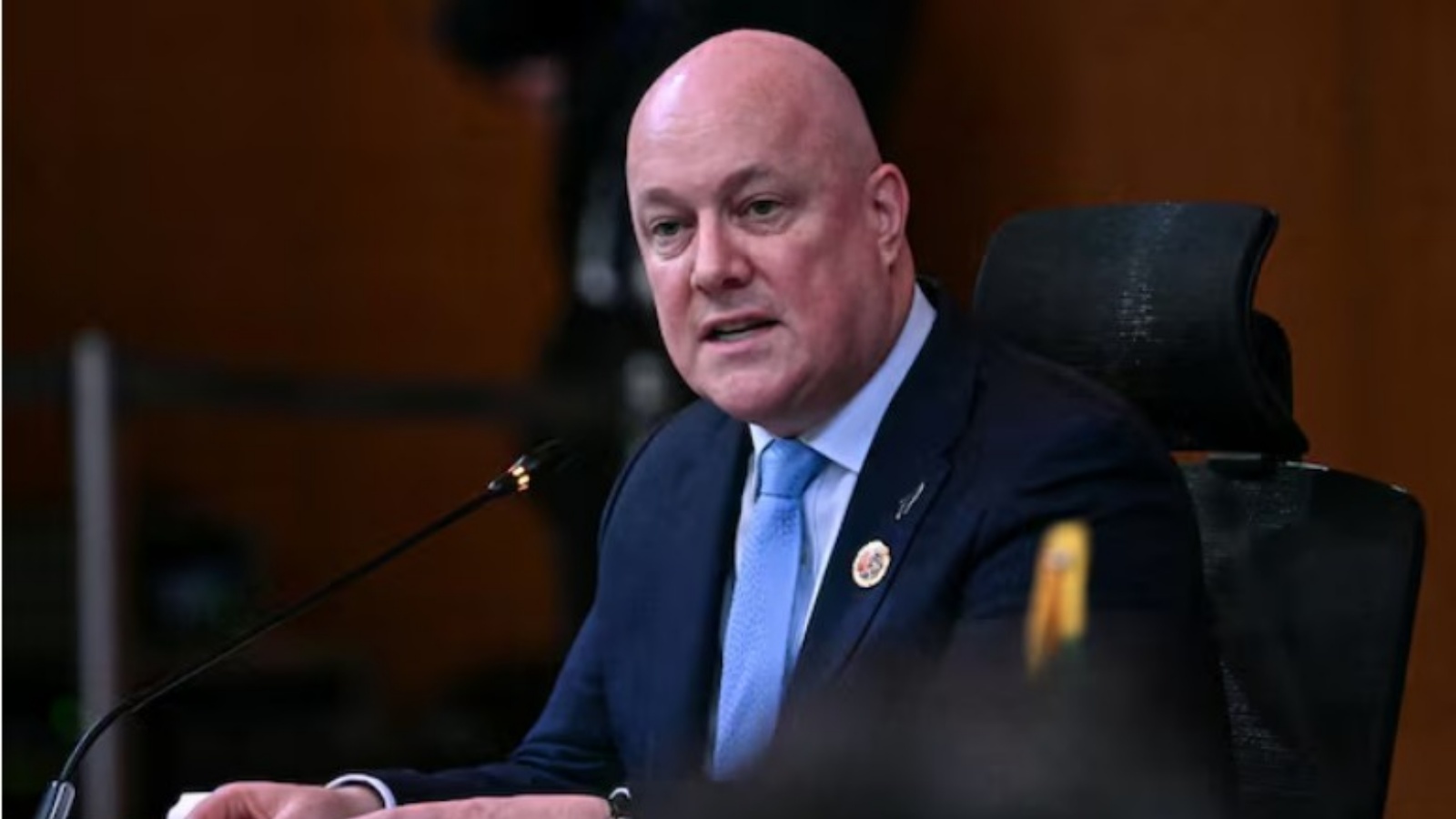
New Zealand Prime Minister Christopher Luxon highlighted economic, defence and people‑to‑people ties as the three pillars of India‑NZ relations and warned that the world is shifting from a rules‑based to a power‑based system. He called for a joint effort with India and like‑minded partners to rebuild the post‑World War II rules‑based framework.
New Zealand Prime Minister Christopher Luxon sat down for an exclusive interview with The Indian Express ahead of Indian Prime Minister Narendra Modi’s historic visit to Auckland – the first Indian premier to set foot in New Zealand in four decades. Luxon framed the bilateral relationship around three pillars – trade, defence‑security and people‑to‑people connections – while warning that global geopolitics is at a critical inflection point.
Geopolitical Inflection: From Rules‑Based to Power‑Based
"The world is moving from a rules‑based system to a power‑based system, from multilateralism to multipolarity," Luxon said. He cited the United States’ ‘America‑first’ stance, China’s expanding influence in the Indo‑Pacific, and Russia’s illegal invasion of Ukraine as clear markers of this shift. In such a climate, Luxon argued, small nations like New Zealand benefit most from a rules‑based order that treats every country – large or small – on an equal footing.
Re‑making the Rules‑Based Case with India
Luxon stressed that New Zealand, together with India and other like‑minded friends, must “remake the case for a rules‑based system.” He noted that many Global South nations, including India and Brazil, were only marginally involved in the post‑World War II architecture and that a refreshed framework is essential to address contemporary challenges such as digital governance, climate change and supply‑chain resilience.
A Century‑Old Friendship, a New Strategic Agenda
"We have been friends for over 100 years, yet we have not had a robust agenda that binds us together," Luxon observed. He added that both leaders share a similar outlook and values, and that the partnership should move beyond symbolic ties to deeper economic, security and cultural cooperation. The upcoming talks in Auckland are expected to lay the groundwork for joint initiatives in renewable energy, maritime security and high‑tech trade.
Immigration Opportunities for Indians
With anti‑immigrant sentiment rising across many Western democracies, Luxon sees a “huge opportunity” for Indian talent in New Zealand. He highlighted the country’s legal immigration framework, skilled‑labour shortages, world‑class universities and safe, English‑speaking environment as strong pull factors. Moreover, New Zealand’s robust social infrastructure – housing, schools, hospitals and transport – ensures newcomers can integrate smoothly and contribute productively.
Path Forward and Global Implications
Luxon concluded that a revitalised India‑New Zealand partnership could serve as a model for other small states seeking to safeguard a rules‑based international order. By deepening trade links, expanding defence cooperation and fostering people‑to‑people exchanges, both nations can amplify their voice in the evolving multipolar world and help shape a more predictable, rule‑governed global landscape.