Oil markets spiked after President Trump declared the US‑Iran cease‑fire void and attacks on vessels in the Strait of Hormuz intensified. The renewed geopolitical tension revives concerns over fuel costs and the security of a key global oil artery.
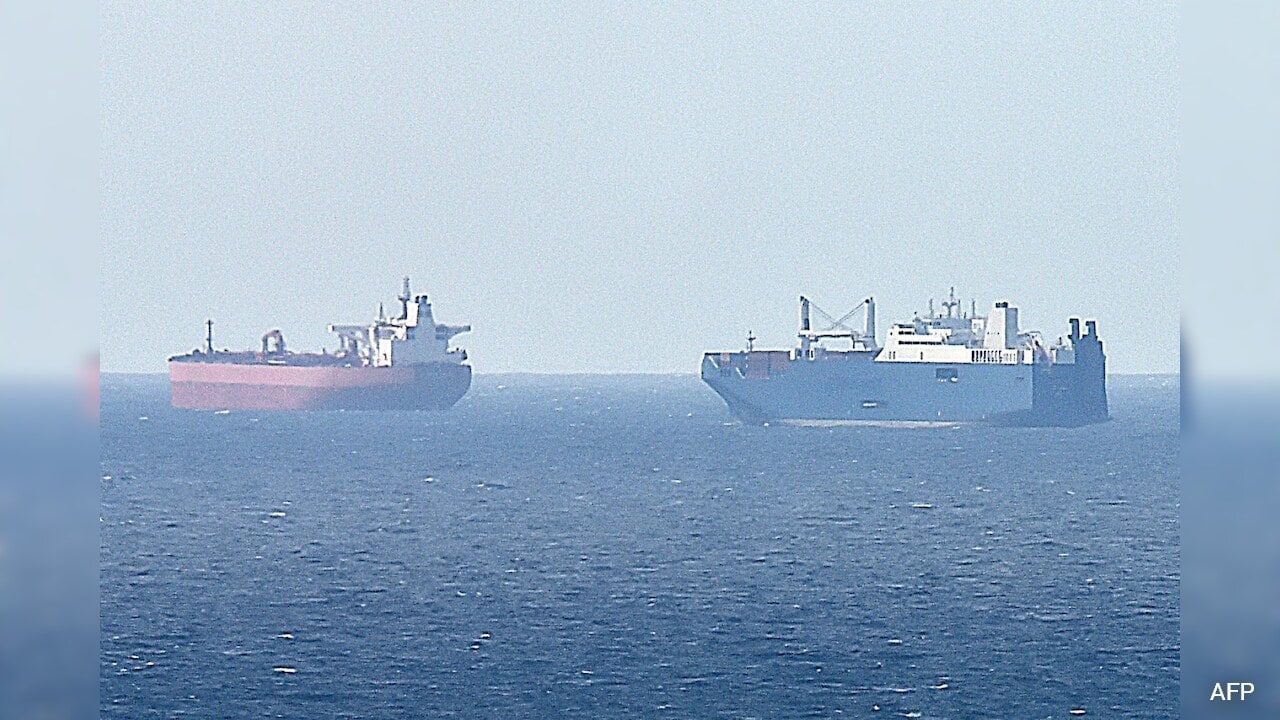
When President Donald Trump announced the end of the US‑Iran cease‑fire, commercial ships in the Strait of Hormuz came under fire, reigniting fears that the world’s most vital oil transit corridor could be disrupted. US benchmark crude rose to $75.80 a barrel – its highest in over two weeks – while the international Brent benchmark touched nearly $79, a level not seen since June 19.
Geopolitical Shockwaves Hit the Market
Jorge Leon, head of geopolitical analysis at Rystad Energy, observed, "Tanker traffic through the Strait of Hormuz has essentially stopped, which tells you more about risk perception right now than any statement from Washington or Tehran." The market’s rapid reaction underscores how fragile oil pricing remains when a chokepoint that moves roughly 20 percent of global oil supply is threatened.
Immediate Impact on Fuel Prices
In the United States, the average price of regular gasoline nudged up to $3.80 per gallon, still well below the $4.16 average a month earlier, according to the AAA. Crude oil constitutes the bulk of gasoline cost, but the price transmission to pumps is delayed because refiners draw from existing inventories and the fuel must travel through pipelines and trucks before reaching consumers.
Dwindling Strategic Reserves
To blunt price spikes during the conflict, the US and allies began releasing oil from emergency stockpiles in March. As of July 3, the Strategic Petroleum Reserve held just 319.5 million barrels – the lowest level since 1983. Energy‑policy scholar Michael Lynch warned that "the drawdown of strategic stocks means there is a lot less ammunition in Trump’s holster," highlighting the limited buffer left for future shocks.
Shipping Industry Faces New Dilemmas
International Maritime Organization Secretary‑General Arsenio Domínguez condemned the attacks and urged flag states and shipowners to keep crews out of harm’s way. Some vessels are now sailing "dark," avoiding AIS broadcasts, which makes it harder to tally traffic. Those that do transit are using alternative routes – a narrow northern passage through Iranian waters and a southern lane through Omani waters – as the main channel remains hazardous due to reported mines.
Looking Ahead
Ben May of Oxford Economics cautioned that the cease‑fire is likely to remain uneven, with both Washington and Tehran capable of slipping back into open conflict. Meanwhile, major carriers Maersk and Hapag‑Lloyd, which had planned to resume services through the Suez Canal, now watch Hormuz developments closely; a fresh escalation could jeopardise their broader Middle‑East operations.
Overall, the Hormuz episode illustrates how quickly geopolitical flashpoints can translate into global price volatility. If the tension persists, higher oil costs could feed inflationary pressures worldwide, especially in emerging economies that are already grappling with fiscal strain.