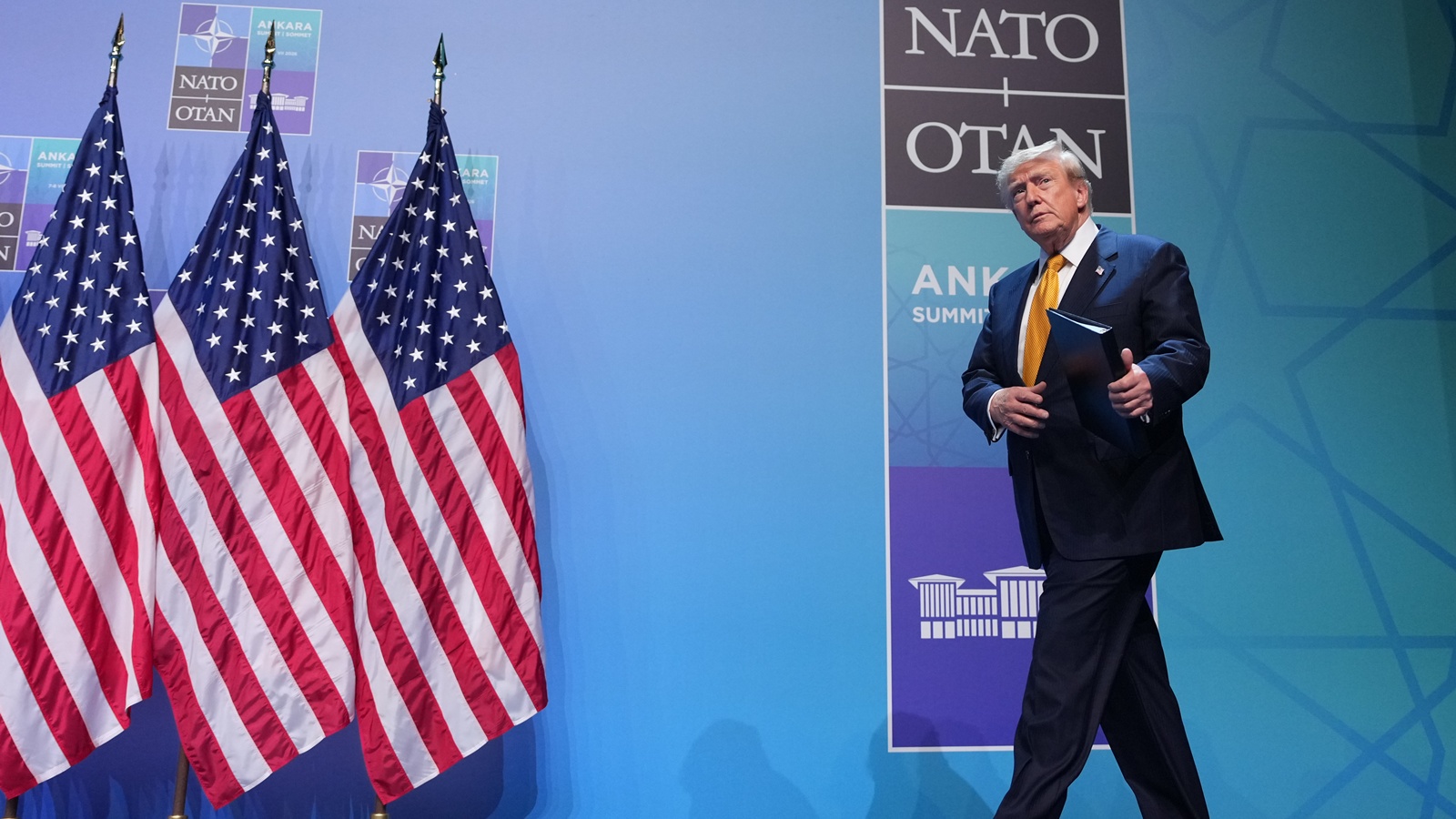
During the NATO summit in Ankara, US President Donald Trump called Iranian leaders ‘scum’ and warned of renewed military action, reviving tensions in US‑Iran relations. His remarks also hinted at reinstating a naval blockade in the Strait of Hormuz.
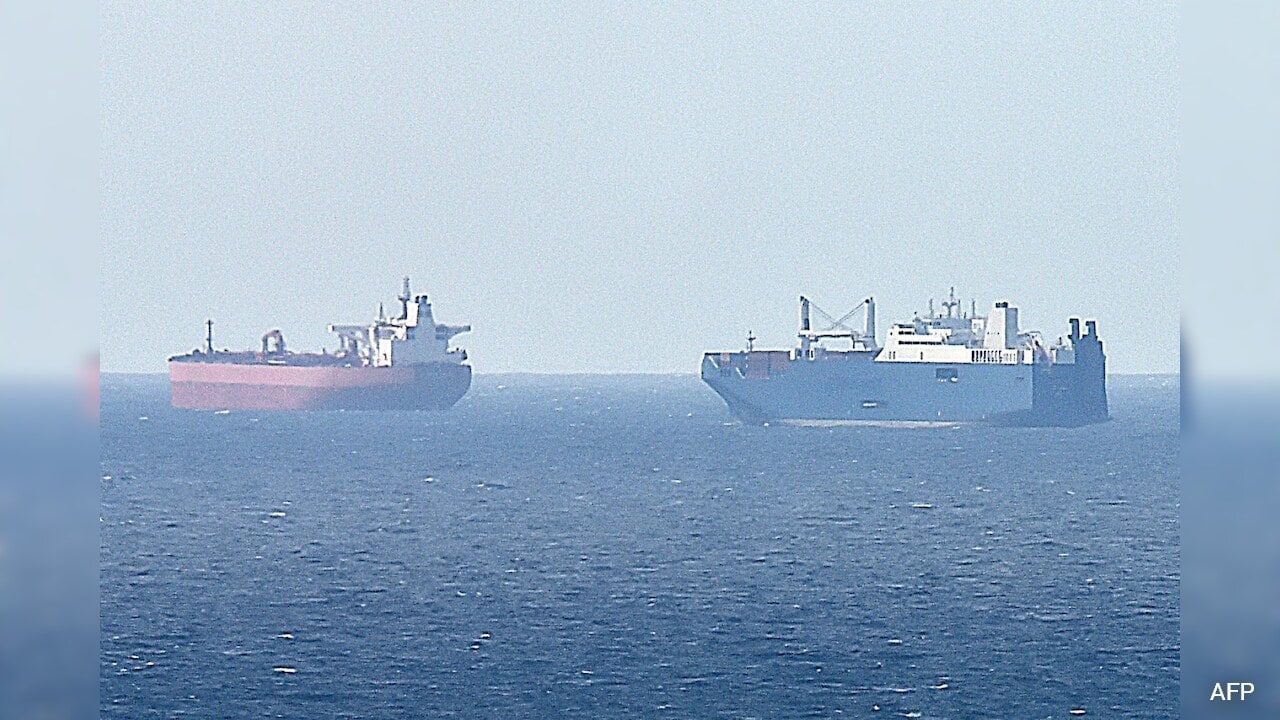
Ankara, Turkey – On July 8, 2026, at the NATO summit, US President Donald Trump described Iran’s top officials as “scum” and “sick people,” inflaming an already volatile diplomatic environment. The comments came after Tehran’s recent attacks on commercial vessels transiting the Strait of Hormuz, which Trump declared signaled the end of the cease‑fire agreement.
Key Statements
During a press interaction, Trump said, “I’m number one on the kill list for Iran… but I don’t really care because I’m doing my job.” He added, “We hit them very hard last night, very, very hard, and we’ll probably hit Iran hard again tonight.” By dismissing the recent US‑Iran Memorandum of Understanding as “over,” he signaled a return to aggressive posturing.
Background of US‑Iran Relations
The United States and Iran have been locked in a decades‑long rivalry, driven by Tehran’s nuclear ambitions and its regional maneuvers. A month‑old MoU had lifted the naval blockade in the Strait of Hormuz, a critical oil chokepoint. Trump’s renewed threat to reinstate that blockade marks a stark reversal of the limited diplomatic thaw achieved earlier this year.
Potential Consequences
Trump’s rhetoric threatens not only the fragile cease‑fire but also global oil markets. Any disruption in the Strait of Hormuz can trigger a sharp spike in crude prices, affecting economies worldwide. Moreover, NATO allies now face a dilemma: align with a U.S. stance that could provoke wider conflict or push for a more measured diplomatic approach.
Expert Analysis
Foreign‑policy scholars warn that Trump’s hard‑line language reflects a shift from diplomatic engagement to overt power projection, increasing the risk of miscalculation. A large‑scale US strike on Iran could destabilise the already fragile security architecture of the Middle East and test NATO’s collective defence commitments.