President Donald Trump alleged that Iran is scheming to kill him, prompting fresh US attacks on Iranian air defenses and radar sites. Iran retaliated with drone and missile strikes on US‑linked bases in Bahrain and Kuwait, raising the risk of wider regional conflict.
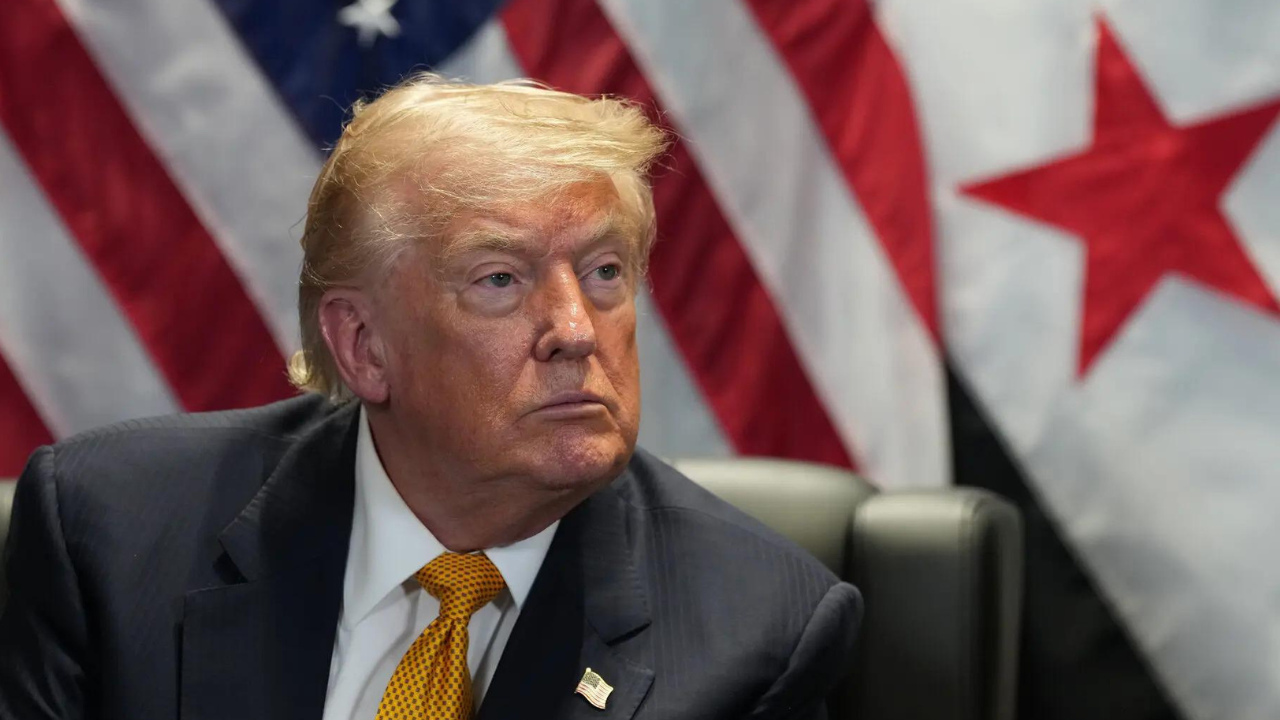
U.S. President Donald Trump asserted on Wednesday that Iran is plotting to assassinate him, declaring himself "on every single one of their list." The comment came during a press briefing on the sidelines of this year’s NATO summit in Ankara, where Trump also announced the termination of the memorandum of understanding with Tehran.
Why the United States Struck
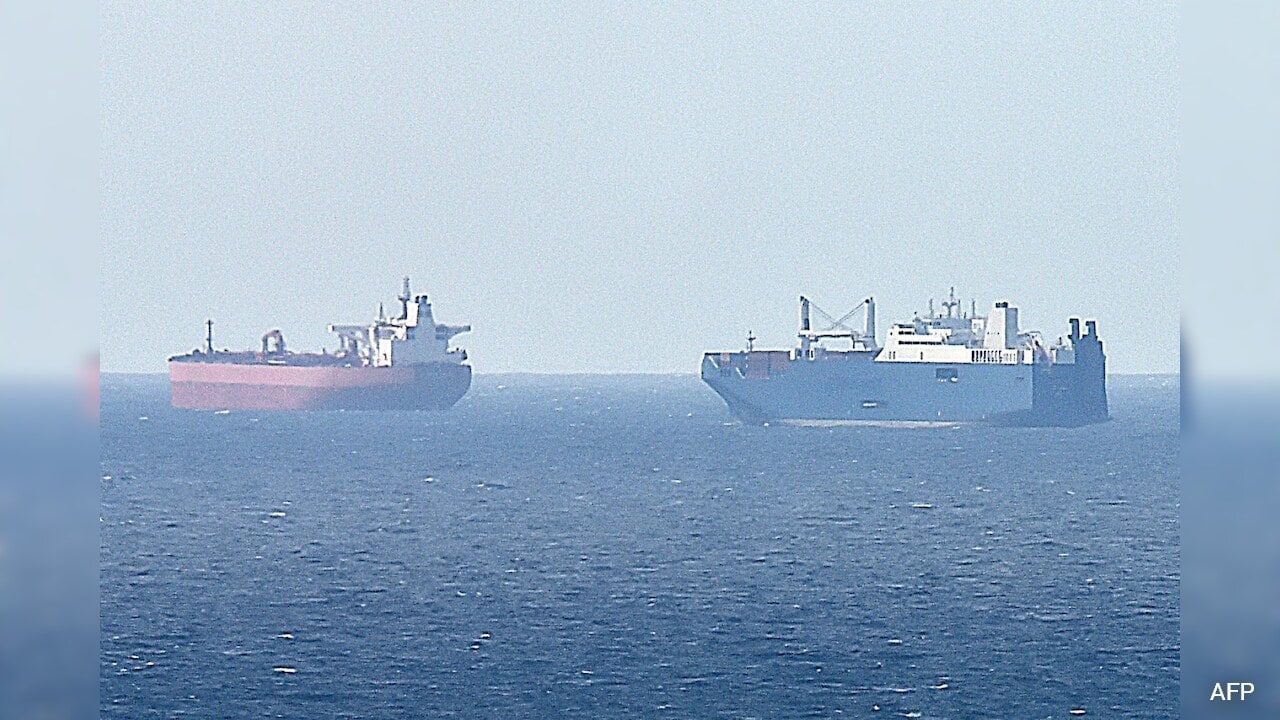
The U.S. Central Command (CENTCOM) confirmed that American forces carried out a fresh wave of strikes against Iran on Tuesday night. According to CENTCOM, the purpose was to impose "heavy costs" on Iran for targeting civilian‑crewed commercial vessels in the Strait of Hormuz, an international waterway critical for global oil shipments. The strikes hit Iranian air‑defence systems, radar installations and more than 60 small boats operated by the Islamic Revolutionary Guard Corps (IRGC).
Iran’s Counter‑Attack
In swift retaliation, Iran launched drones and missiles aimed at U.S.‑linked military facilities in Bahrain and Kuwait, as reported by the state‑affiliated Fars News Agency. Both nations issued missile alerts on Wednesday morning. Kuwaiti authorities said they intercepted two ballistic missiles and 13 drones, though some missile debris knocked out several power lines.
Historical Context
The Hormuz corridor has become a flashpoint for U.S.–Iran confrontations. A similar exchange occurred late last month when Iranian attacks on commercial shipping prompted U.S. retaliatory airstrikes, followed by Iranian missile launches at Bahrain and Kuwait. The strait handles a substantial share of the world’s oil trade, making any disruption a matter of global economic concern.
Implications and International Reaction
Analysts warn that the tit‑for‑tat escalation could spiral into a broader regional conflict, potentially driving up oil prices and jeopardising maritime commerce. NATO allies have urged restraint, while Russia and China have called for diplomatic dialogue to de‑escalate tensions.
If diplomatic channels remain closed, the risk of a larger military showdown rises, with possible repercussions for global energy markets and the stability of the Middle East. Stakeholders across the spectrum are therefore urged to prioritize negotiations over kinetic actions.