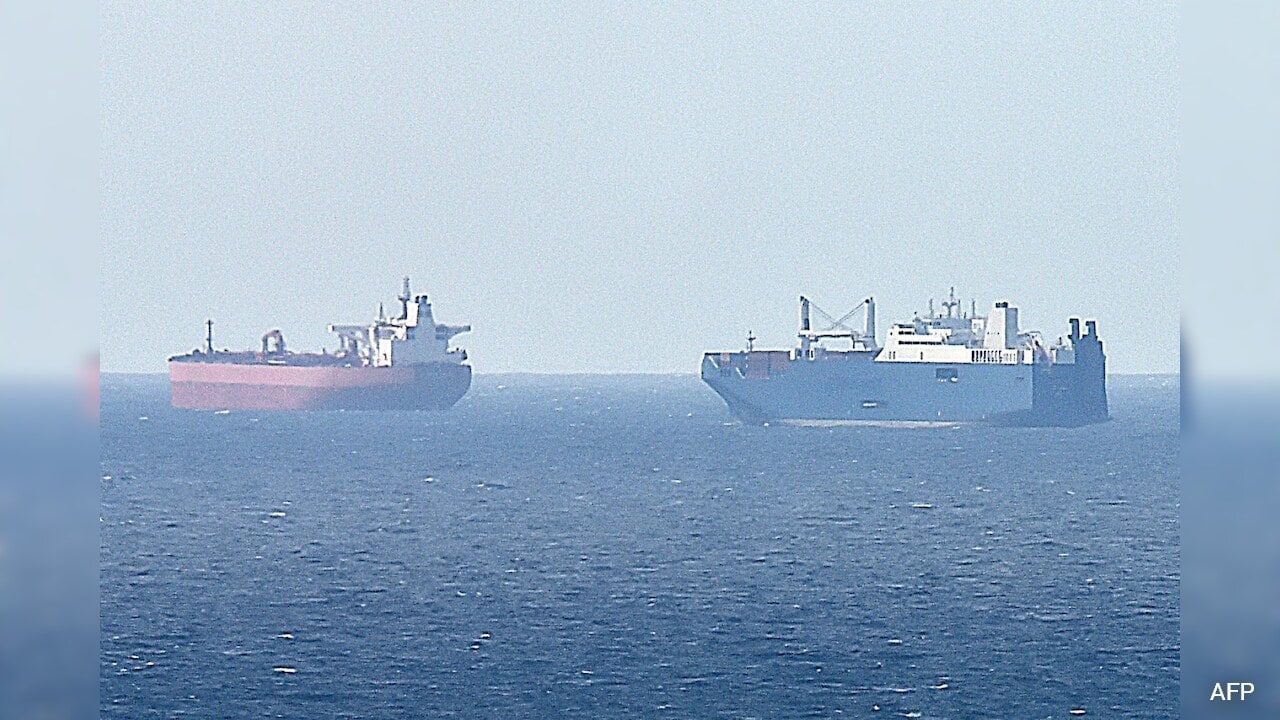
U.S. President Donald Trump announced that the ceasefire with Iran is effectively over, while American forces carried out fresh air strikes near the Strait of Hormuz. As regional tensions rise, diplomatic actors from several countries are scrambling to keep the interim agreement alive.
Washington – President Donald Trump stated that the cease‑fire with Iran has ended, even as U.S. military units launched new air strikes close to the Strait of Hormuz. The remarks came immediately after his address at the NATO summit, where he warned that "we can finish the job" but also insisted that the strikes do not signal a return to full‑scale war.
Background and Current Situation
In April 2026, a provisional deal brokered by regional mediators secured safe passage for oil and gas tankers through the Hormuz corridor. However, repeated attacks on commercial vessels and disputes over Iran’s nuclear program have eroded confidence in the agreement. Pakistan, Qatar, Egypt, and Saudi Arabia have all taken active roles in trying to preserve the fragile truce.
Purpose of the New Strikes
The U.S. military described the latest attacks as aimed at "further degrading Iran’s ability to threaten freedom of navigation in the Strait of Hormuz." Officials say the operations are a response to what they view as Tehran’s sluggish compliance with the nuclear‑limitation talks and continued harassment of shipping lanes.
Diplomatic Efforts and Possible Outcomes
A regional intelligence official, speaking on condition of anonymity, said high‑level contacts are ongoing around the clock. The foreign ministers of Pakistan and Qatar, together with Egypt’s intelligence chief, are leading the mediation, while Saudi and Turkish officials are also involved. Experts warn that President Trump’s rhetoric may be a negotiating tactic, but it also raises the risk of a broader escalation.
Analytical Perspective
Former U.S. military analyst Michael Eisenstadt of the Washington Institute noted, "We’re still in negotiating mode, no matter what the president says." He added that declaring the memorandum of understanding (MOU) over is often part of a pressure strategy rather than a final decision. Iranian lead negotiator Mohammad Bagher Qalibaf responded on X, asserting that "the era of bullying and extortion is over" and that Iran will not bow to threats.
Pakistan’s foreign ministry warned that renewed conflict "serves no one's interest" and called for continued dialogue to achieve regional peace. If the pattern of strikes and hard‑line statements continues, the ripple effects could reach global oil markets, driving price volatility and testing the resilience of international diplomatic frameworks.