President Donald Trump announced the termination of the Iran peace accord and, within hours, ordered US air strikes on Iran's strategic ports. Explosions were reported in Bandar Abbas and Sirik, while power supplies in Chabahar were disrupted, heightening regional tensions.
Washington, July 9, 2026 – President Donald Trump officially declared the end of the Iran peace agreement, and the same day the US Central Command launched air raids on the Iranian port cities of Bandar Abbas and Sirik. The move has escalated an already volatile Middle‑East security environment.
Background
Trump’s statement framed Tehran’s policies as a "persistent threat" rather than a diplomatic partner, citing repeated violations of the 2023 Iran‑US peace pact. The administration had previously described the agreement as "unreliable" and "counter‑productive." With the treaty now void, Washington re‑activated its military posture, resulting in immediate explosions heard across the two coastal hubs.
Details of the Air Strikes
The US Central Command confirmed that, under direct presidential orders, American fighter jets targeted Iran’s air‑defence installations in the Hormuz corridor to degrade its ability to threaten maritime navigation. According to Iran’s state news agency IRNA, the strikes in Bandar Abbas and Sirik killed two fishermen and injured several civilians. Additionally, loud detonations were reported near Konarak in the Chabahar region, prompting the Iranian air‑defence network to go on high alert.
Regional Impact
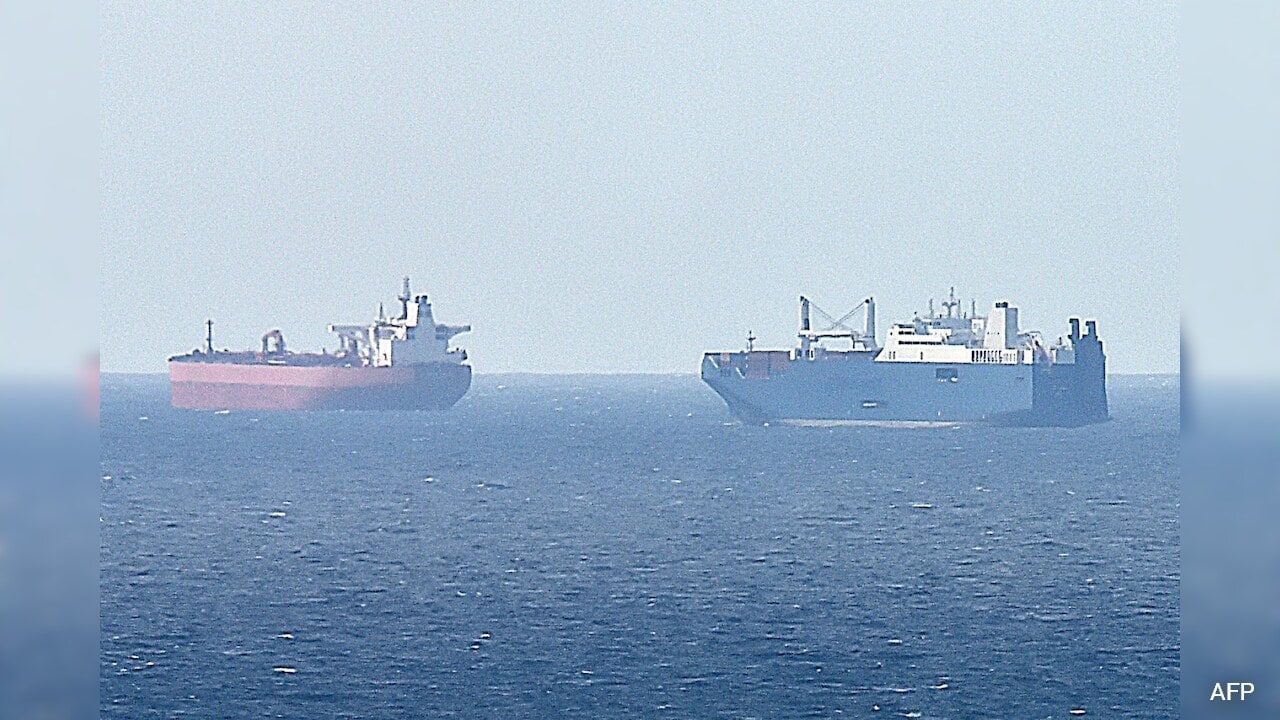
Bandar Abbas, Iran’s largest seaport, is a critical node for oil exports and military logistics. An attack on this hub threatens not only Iranian revenue but also global oil markets, potentially driving prices higher. Sirik, a southern gateway, is frequently monitored by US naval forces for sanction‑related activities; the explosions have prompted shipping companies to issue alerts for vessels operating in the Gulf.
Future Outlook
Analysts warn that continued US air operations could provoke a retaliatory response from Tehran, possibly involving asymmetric attacks against US assets or regional allies. Both the European Union and the United Nations have labeled the escalation "dangerous" and called for immediate diplomatic engagement. Meanwhile, oil futures have already surged, reflecting investor anxiety over supply disruptions.
The US military justified the strikes as a measure to "neutralise Iran’s capability to threaten freedom of navigation in the Hormuz Strait," but the broader international community views the action as a destabilising step that raises the spectre of a broader conflict.