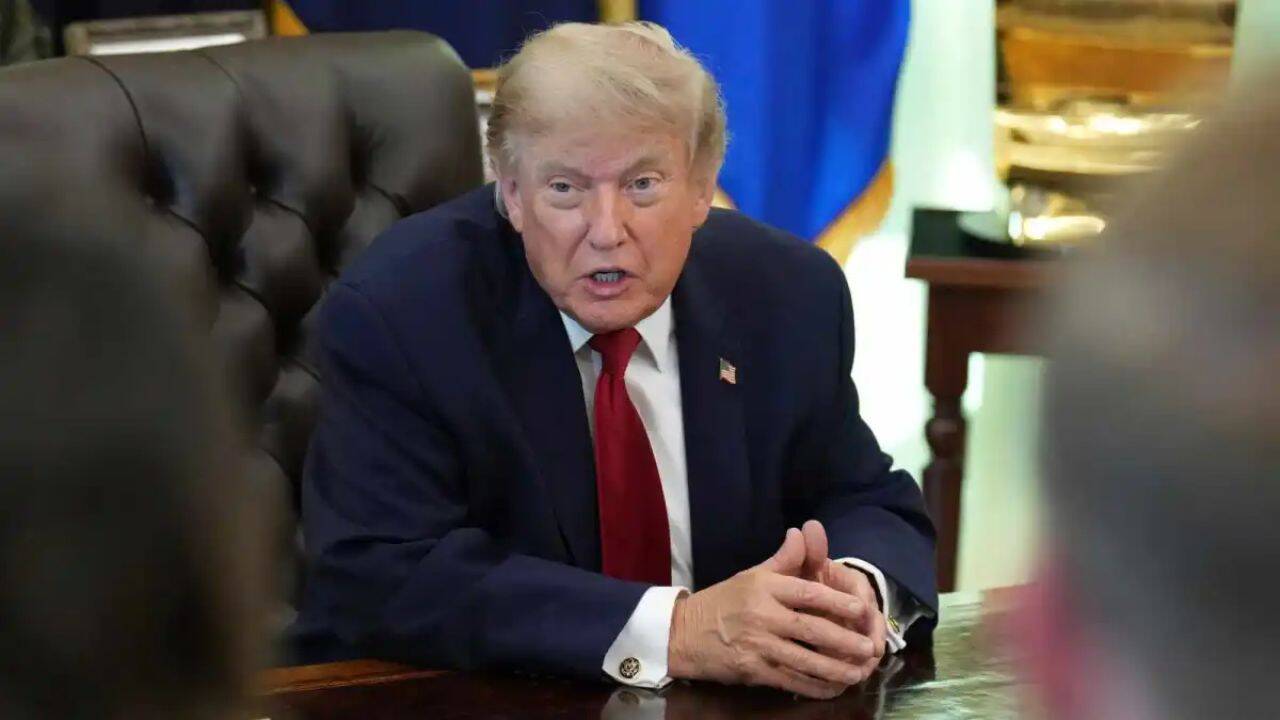
U.S. President Donald Trump’s sudden policy shifts, including scrapping the Iran nuclear deal and berating European leaders, have heightened anxiety across Europe about America's security guarantees. NATO allies now question whether the partnership hinges on a single personality rather than shared strategic interests.
U.S. President Donald Trump has unleashed a series of unpredictable diplomatic moves that are rattling European capitals. By declaring the Iran nuclear agreement void and hinting at further military action, he has not only destabilized a fragile peace process in the Middle East but also shaken the trust that underpins the NATO alliance.
Re‑examining the Iran Deal
The 2015 Iran nuclear accord was a cornerstone of post‑2010 diplomatic engagement, balancing sanctions relief with rigorous inspections. Trump dismissed the pact as "a terrible mistake" and announced its termination, reinstating sweeping sanctions on Tehran. European nations now face a dual dilemma: confronting a resurgent Iran while safeguarding their own commercial interests that were tied to the deal.
Criticism of Spain, Denmark and Italy
Trump’s rhetoric has also turned toward Europe. He labeled Spain’s Prime Minister Pedro Sánchez "unstable," called Denmark "overly rigid," and personally insulted Italian Prime Minister Giorgia Meloni. Such remarks have strained bilateral ties, casting doubt on the durability of U.S. commitments to the continent.
Uncertainty within NATO
Historically, NATO has been viewed as a steadfast collective defense arrangement. Yet Trump’s erratic approach has eroded that perception, prompting European defense ministers to reassess the reliability of the U.S. security umbrella. Analysts warn that a continued pattern could push Europe toward greater strategic autonomy, including increased defense spending and new defence initiatives independent of Washington.
Future Outlook and Potential Consequences
If the United States continues to base foreign policy on personal whims, the repercussions will extend beyond diplomatic friction. European Union members may need to bolster their own military capabilities, diversify security partnerships, and possibly recalibrate economic ties with the U.S. The long‑term impact could reshape not only transatlantic politics but also global trade, energy markets, and regional stability.