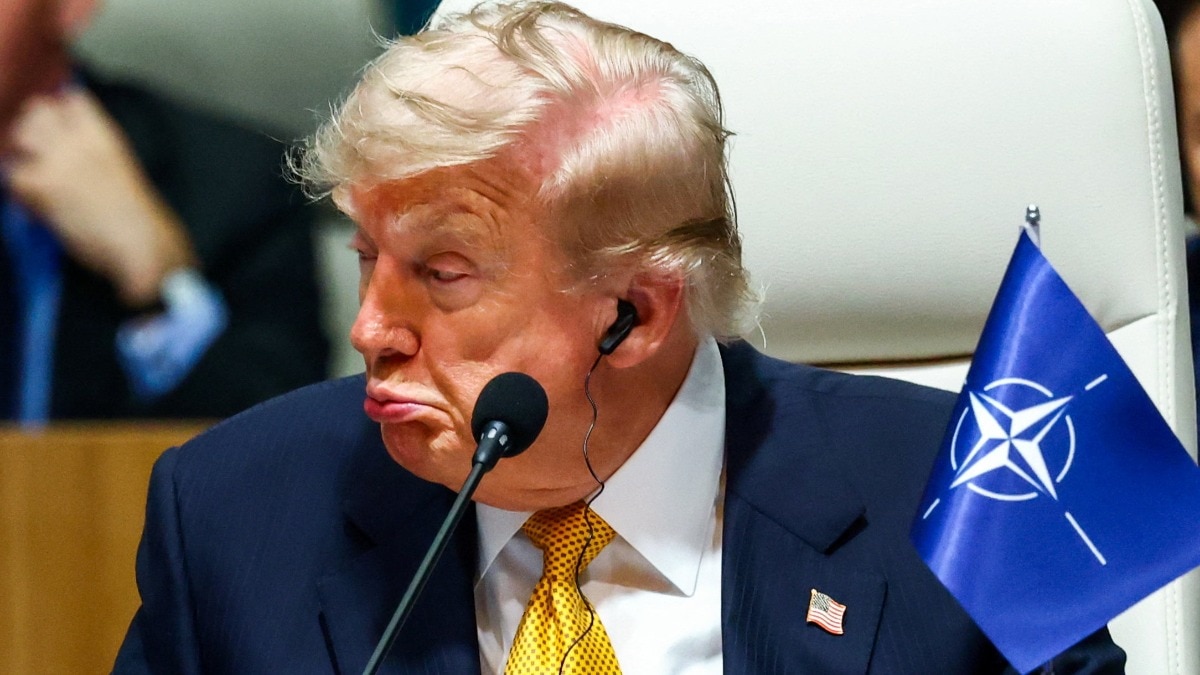
During a NATO summit Q&A, President Donald Trump mistakenly called Iran the "Islamic Republic of Japan," sparking viral criticism and reviving concerns over US‑Iran relations. The gaffe highlighted the president's verbal missteps and the fragile state of Middle‑East security.
At the NATO leaders' summit in Ankara, U.S. President Donald Trump confused Iran with Japan, referring to the former as the "Islamic Republic of Japan" while discussing the Patriot missile system. The slip, captured on video during a Q&A with Ukrainian President Volodymyr Zelenskyy, instantly went viral, prompting a flood of memes and serious analysis of the president's health and diplomatic acumen.
Immediate Context and Reaction
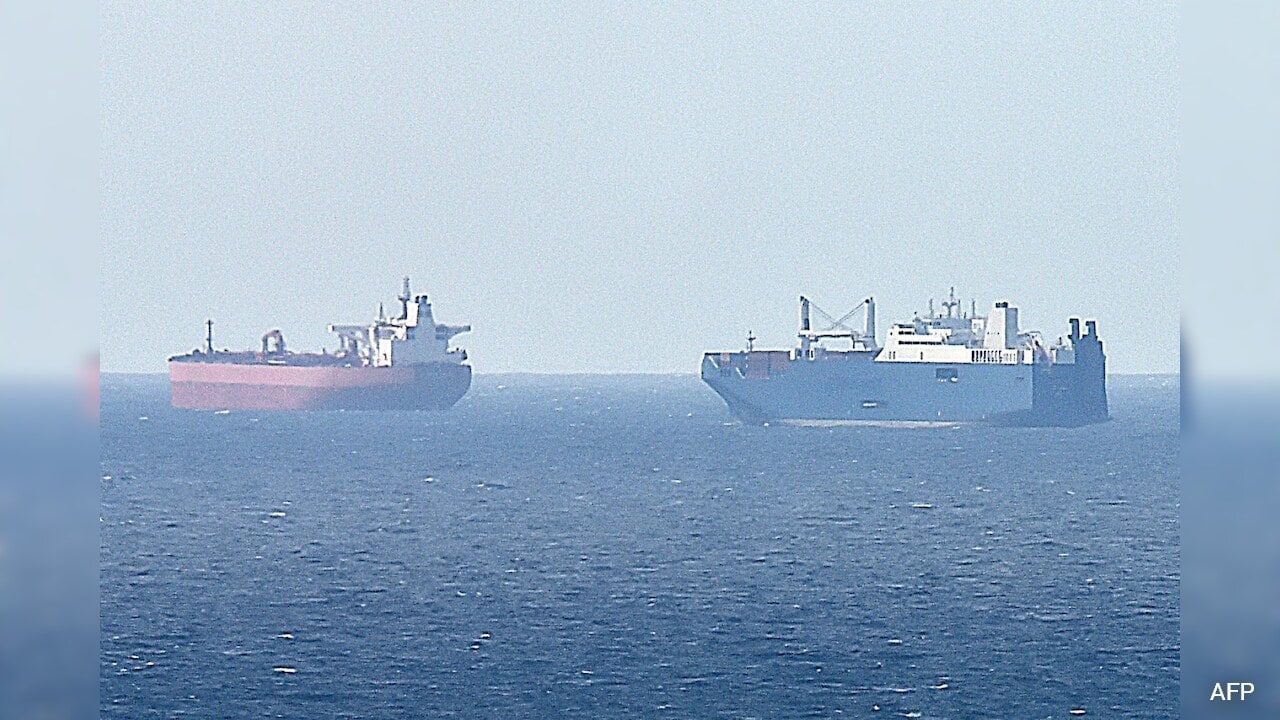
While praising the effectiveness of the Patriot air‑defence network, Trump claimed, "We had 111 missiles shot by the Islamic Republic of Japan. They were fired at the aircraft carrier for about an hour." In reality, he was referring to the Islamic Republic of Iran, which has repeatedly alleged that the USS Abraham Lincoln was struck by Iranian missiles earlier this year. U.S. Central Command (CENTCOM) has denied any successful Iranian attack, creating a factual vacuum that Trump’s blunder amplified.
Historical Backdrop of US‑Iran Relations
U.S.–Iran ties have been fraught for decades, from the 1979 hostage crisis to ongoing disputes over Tehran’s nuclear ambitions and regional proxy wars. Iran’s claim of a missile attack on the carrier, though unverified, is part of a broader pattern of Tehran’s rhetoric aimed at showcasing its capability to threaten U.S. naval assets. Trump’s reference to a "destroyed navy" and "gone air force" taps into a long‑standing U.S. narrative of Iranian weakness, even as Iran continues to modernise its missile and drone arsenals.
Trump’s Escalatory Rhetoric
Beyond the slip, the president doubled down on a hardline stance, warning that the United States could target Iran’s critical infrastructure if needed. He specifically mentioned Iran’s Kharg Island, a key oil‑export hub, stating, "We attacked Kharg Island last night… If we have to, we’ll take them out." Such statements, paired with the gaffe, raise concerns about potential policy volatility and the risk of inadvertent escalation.
Pattern of Verbal Missteps
This incident joins a series of high‑profile verbal blunders by Trump in 2026. Earlier at the same summit, he mistakenly called Ukrainian President Zelenskyy "President Vladimir Putin" before correcting himself with a joke. Similar slip‑ups have plagued his campaign trail, fueling speculation about his cognitive fitness and prompting critics to question his suitability for high‑stakes diplomacy.
Implications for International Diplomacy
Trump’s Japan‑Iran mix‑up underscores how a single word can reshape media narratives, influence public perception, and potentially affect strategic calculations among allies. As NATO allies monitor the U.S. approach to Iran, the incident serves as a reminder that precision in language is as vital as precision in military capability.