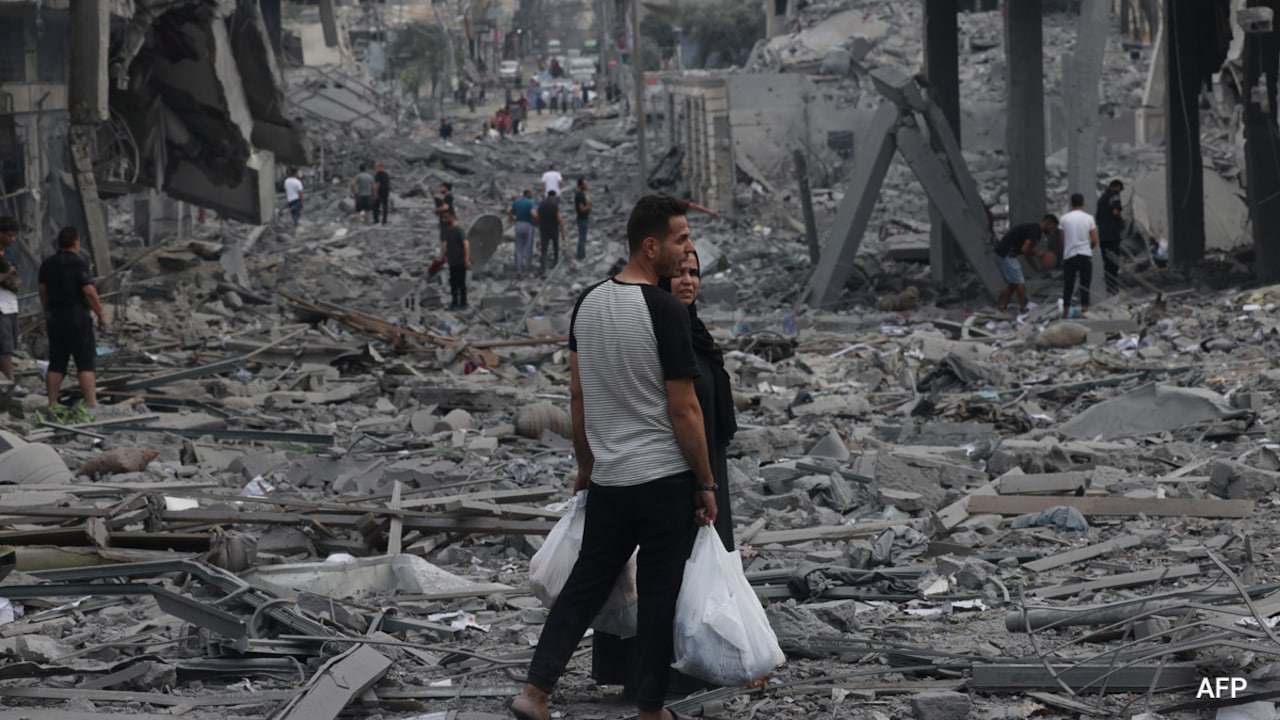
Rafah was virtually demolished by intense fighting and Israeli air strikes. Under Trump's 20‑point peace blueprint, a humanitarian zone has been set up in southern Gaza, serving as the launchpad for a technocratic governance committee.
The United States former President Donald Trump's 20‑point peace proposal has taken a concrete step in Gaza by designating a new humanitarian zone in the south of the Strip. The area, centered around the war‑torn city of Rafah, is being positioned as a "starting point" for the civilian administration envisioned in the plan.
Background of the 20‑Point Plan
Trump's blueprint, formally titled the "Political Agreement for the Palestinian Transition," outlines a series of economic, political and security measures intended to move Gaza out of the war phase and into a period of reconstruction. Central to the plan is a technocratic committee composed of international experts, economists and selected Palestinian leaders, tasked with day‑to‑day governance during the transition.
Purpose of the Humanitarian Zone
The newly declared zone is meant to function as a secure hub for relief agencies, medical teams and essential services. With much of Rafah reduced to rubble, the zone will provide displaced residents with food, clean water, shelter and health care, while also serving as a pilot site for larger reconstruction projects.
Political and Security Challenges
Despite widespread diplomatic praise, the initiative faces significant hurdles. Ongoing hostilities between Israel and Hamas, the involvement of regional actors, and deep‑seated mistrust among Gazan civilians could undermine the zone's effectiveness. Analysts warn that without sustained international monitoring and funding, the zone risks becoming a temporary stopgap rather than a lasting solution.
Future Implications
If the 20‑point plan gains traction, it could reshape Gaza's governance landscape, offering a model that other conflict‑affected regions might emulate. Success of the humanitarian zone could accelerate broader peace talks, yet its impact will ultimately depend on the willingness of all parties to cooperate and on the continuity of humanitarian assistance.