Speaking on the sidelines of the NATO summit in Turkey, President Donald Trump warned that his streak of luck could end if Iran is indeed plotting an assassination. The remark underscores a fresh escalation in Tehran‑Washington tensions.
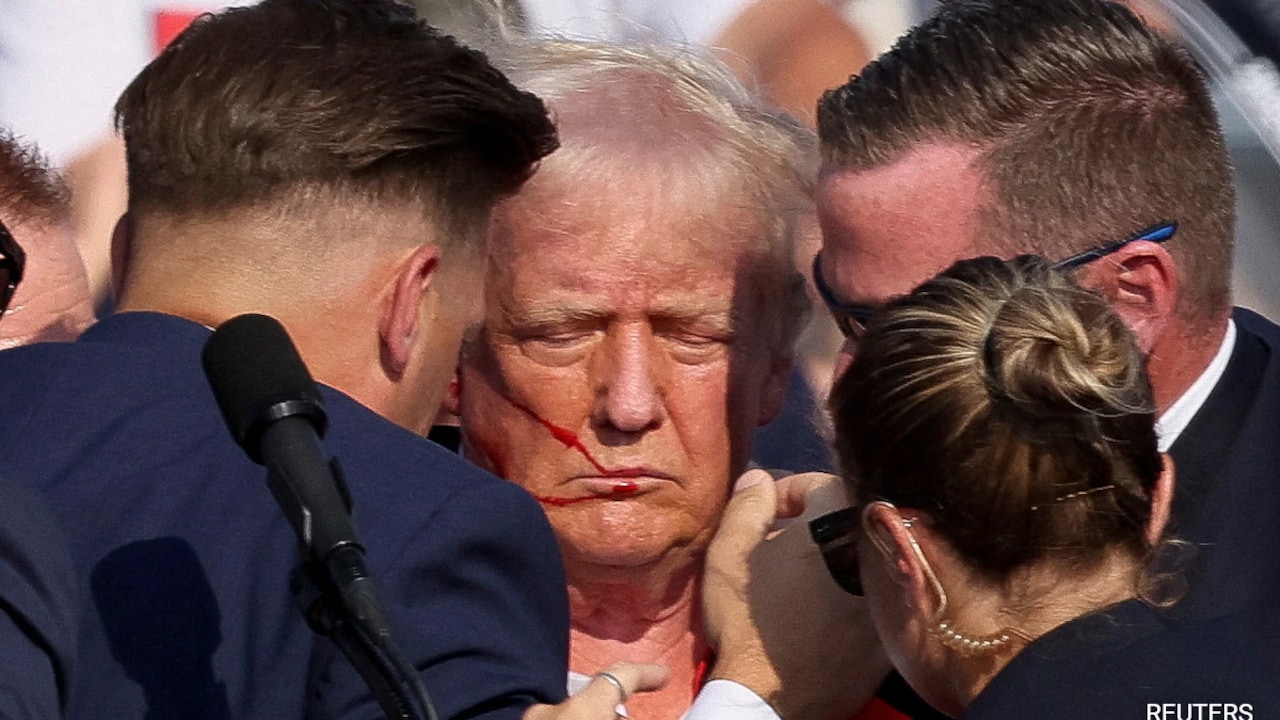
Addressing reporters on the sidelines of the NATO summit in Turkey, U.S. President Donald Trump delivered a startling statement. "I've been lucky so far, but when it comes to assassinations, that luck may not continue," he warned, implying that Iran is scheming to take his life. The comment adds a new layer to an already volatile relationship between Washington and Tehran.
Background and Existing Tensions
The United States and Iran have been at odds for decades. In 2015, the Joint Comprehensive Plan of Action (JCPOA) offered a diplomatic framework that limited Iran's nuclear program. President Trump unilaterally withdrew the United States from the deal in 2018, prompting Tehran to resume certain nuclear activities and reigniting regional friction.
Shift in Trump's Rhetoric
Although Trump is no longer a candidate for the 2024 presidential race, his public remarks continue to shape international discourse. In recent months he has called for harsher sanctions on Iran and an expanded U.S. military presence in the Middle East. By invoking an "assassination plot," Trump appears to be sending a signal of resolve to his base, positioning himself as a defender against external threats.
Potential Outcomes and Global Reactions
The statement opens several possible scenarios. If Iran is indeed planning a lethal operation, Washington may consider a calibrated military response, further complicating diplomatic channels. Conversely, the accusation could force Tehran into a diplomatic scramble, compelling both sides to revisit negotiations under heightened scrutiny. International actors, especially the European Union and the United Nations, will monitor the situation closely, ready to mediate to prevent a broader escalation.
Looking Ahead
Following Trump's claim, U.S. intelligence agencies are likely to intensify investigations into any credible threats. Concrete evidence could pressure the Biden administration to adopt a tougher stance on Iran, while the lack of proof may expose the comment as political posturing, inviting criticism from media and democratic institutions alike. Either way, the rhetoric underscores how personal security concerns can quickly become a catalyst for geopolitical maneuvering.