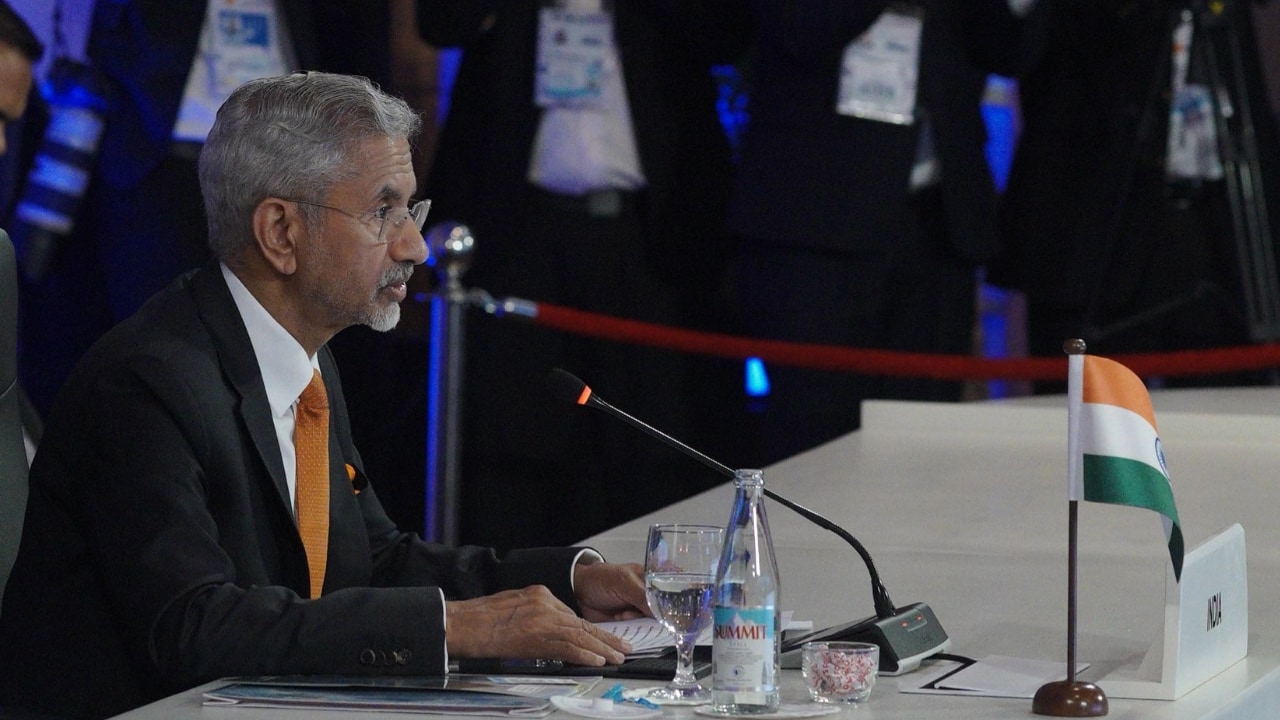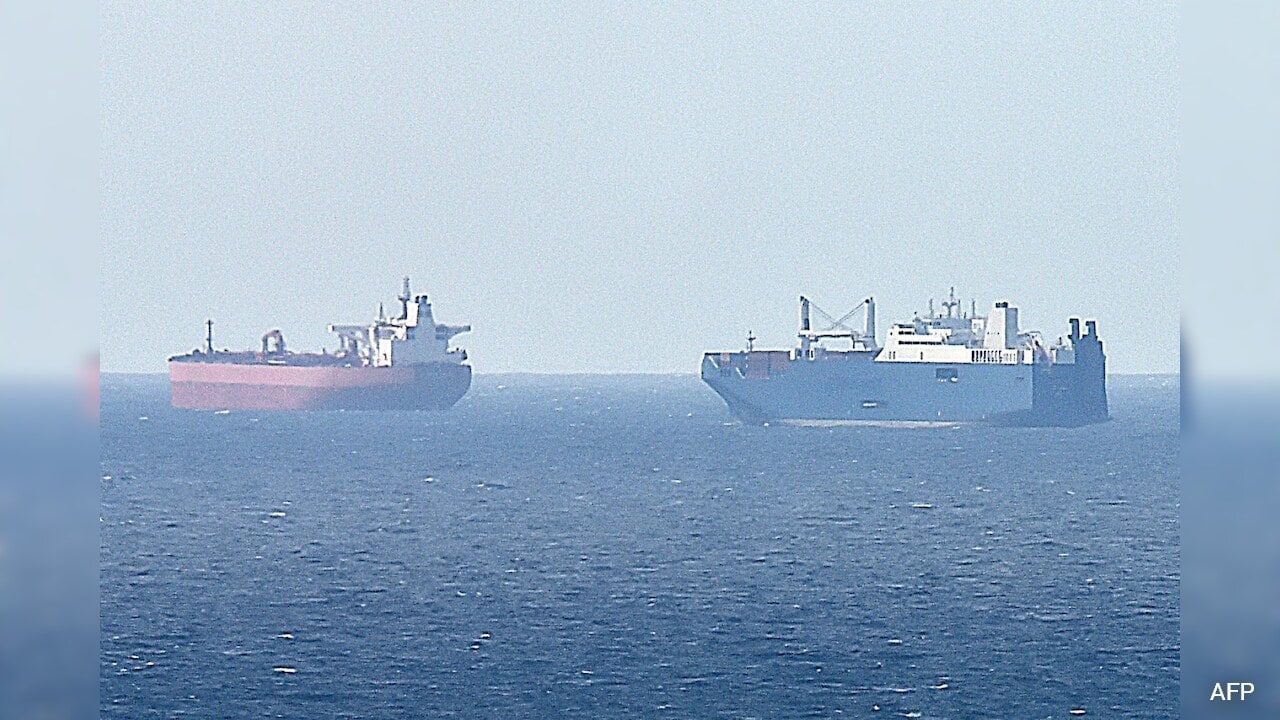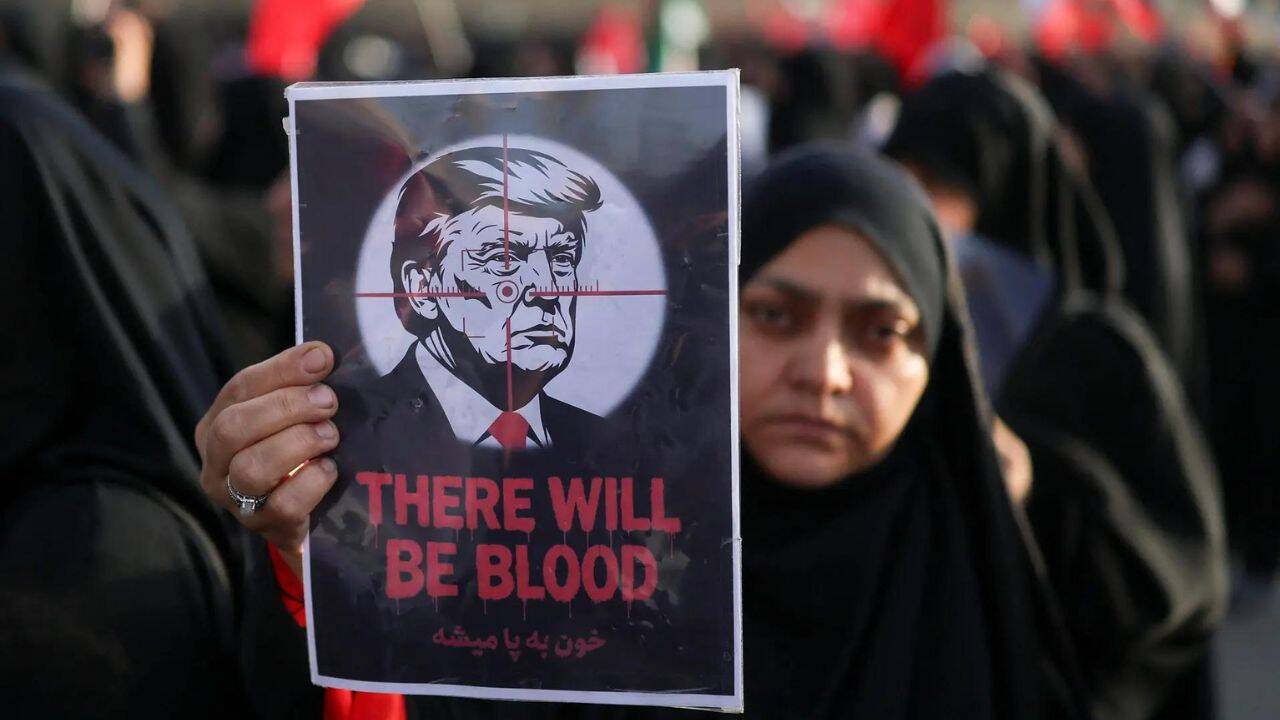
Former U.S. President Donald Trump issued a stark warning to Iran, stating that any further aggression would be met with an even deeper response. Tehran countered by declaring that no American soldier would survive a return, escalating tensions between the two nations.
Former U.S. President Donald Trump recently delivered a forceful message to Iran, asserting that the United States would respond "even more deeply" if Tehran continues actions that threaten American interests. The statement comes amid a heightened diplomatic standoff, where both sides have previously exchanged severe rhetoric and threatened military measures.
Background and Current Dynamics
U.S.-Iran relations have been fraught since the 1979 Islamic Revolution, with a series of sanctions, nuclear negotiations, and regional security disputes shaping the narrative. In 2023, Iran faced renewed economic pressure over its nuclear program, while the U.S. administration emphasized containment of Tehran’s regional influence. Trump’s latest comment signals a potential shift toward reconsidering military options to curb Iranian maneuvers.
Tehran’s Retaliatory Statement
In swift response, Iran’s foreign ministry released a stark declaration that "no American soldier will return alive." The proclamation, likely coordinated between senior military officials and diplomatic officers, serves as a deterrent aimed at discouraging any U.S. military deployment. Analysts view the remark as largely rhetorical, yet it adds a volatile edge to an already fragile situation.
International Reactions and Future Scenarios
Congressional leaders and global partners expressed alarm over the escalating rhetoric. European capitals called for restraint and dialogue, while the United Nations urged diplomatic channels to prevent a possible armed clash. Persistent tension could ripple through oil markets, regional security architectures, and broader geopolitical calculations.
Analytical Perspective
Both Trump’s warning and Tehran’s defiant reply underscore deep strategic divergences and a mutual desire to project resolve to domestic audiences. Publicly aggressive language often raises the risk of miscalculation, but it also reinforces each side’s bargaining position. Ultimately, a blend of diplomacy, targeted sanctions, and calibrated military posturing will dictate the trajectory of this high‑stakes confrontation.