U.S. President Donald Trump threatened new military action against Iran after recent attacks in the Strait of Hormuz, signaling the breakdown of the interim ceasefire. The escalation raises serious concerns for global oil flows and regional stability.
U.S. President Donald Trump warned on Wednesday that fresh strikes against Iran were likely after recent Iranian attacks signaled the end of an interim ceasefire in the Strait of Hormuz. The statement came as the latest exchange of fire between Iranian forces and U.S. assets threatened to reignite a broader Middle‑East conflict, jeopardizing oil shipments and maritime security.
Chronology of the latest escalation
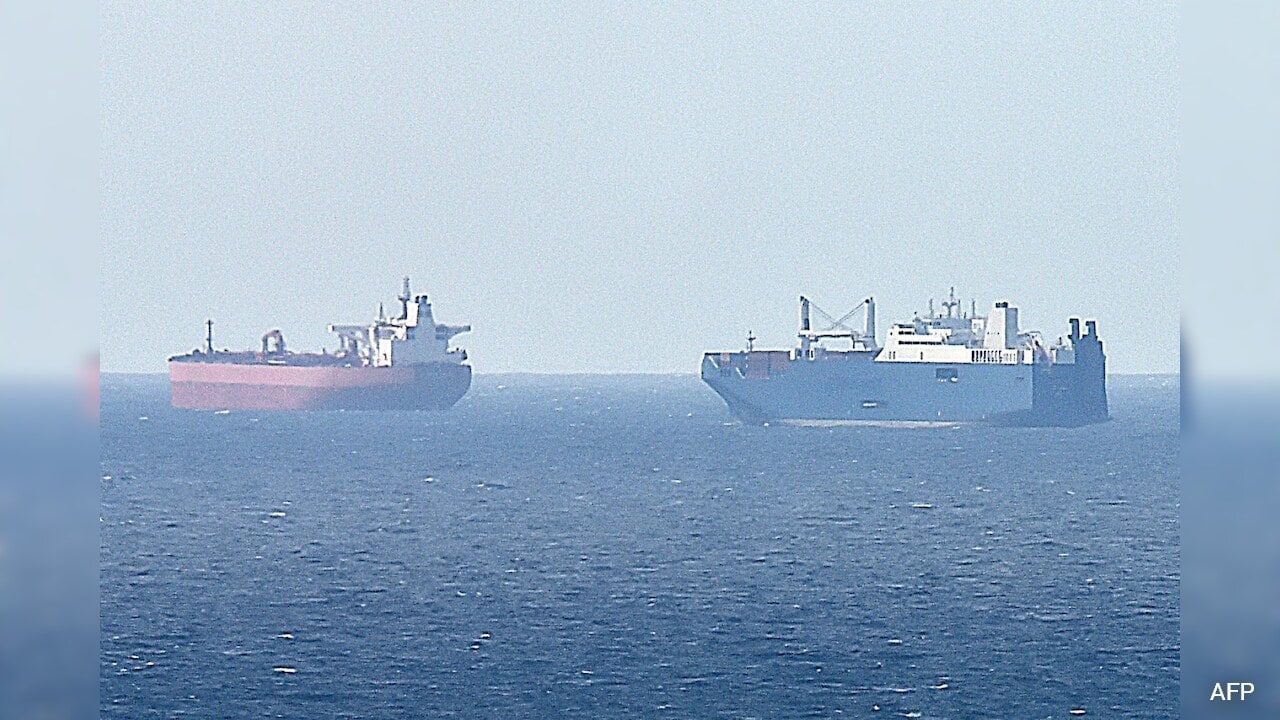
On Tuesday, three commercial tankers were hit by Iranian‑launched drones and missiles. In response, the U.S. Central Command struck Iranian air‑defence systems, radars and more than 60 small boats used by the Revolutionary Guard. The Iranian side retaliated by targeting U.S. military installations in the Persian Gulf, prompting missile alerts in Bahrain and Kuwait. Kuwait reported intercepting two ballistic missiles and 13 drones, while its electricity grid suffered minor damage from falling shrapnel.
Cease‑fire collapse and diplomatic fallout
The interim agreement had allowed 60 days of unrestricted shipping through Hormuz without fees, but the renewed hostilities have effectively nullified that arrangement. Iranian Parliament Speaker Mohammad Bagher Ghalibaf tweeted, "The era of bullying and extortion is over," while Deputy Foreign Minister Kazem Gharibabadi dismissed Trump’s remarks as an admission of U.S. policy failure.
Impact on global oil markets
Following Trump’s comments, crude prices surged as traders feared a renewed conflict could choke the Strait, which carries roughly one‑fifth of the world’s oil and natural gas trade. Higher energy costs are poised to push up fertilizer and food prices worldwide, adding pressure to economies already grappling with inflation.
Looking ahead: possible scenarios
Internal divisions within Iran—hardliners seeking permanent control of the waterway versus pragmatists pushing for a lasting peace deal—complicate the outlook. While hardliners benefit from the strategic leverage of halting shipping, pragmatists aim to lift sanctions and revive the economy. Talks slated to resume after the funeral of Supreme Leader Ayatollah Ali Khamenei could still produce a framework for fully reopening Hormuz and rolling back Tehran’s disputed nuclear activities, but the current rhetoric suggests a fragile path forward.