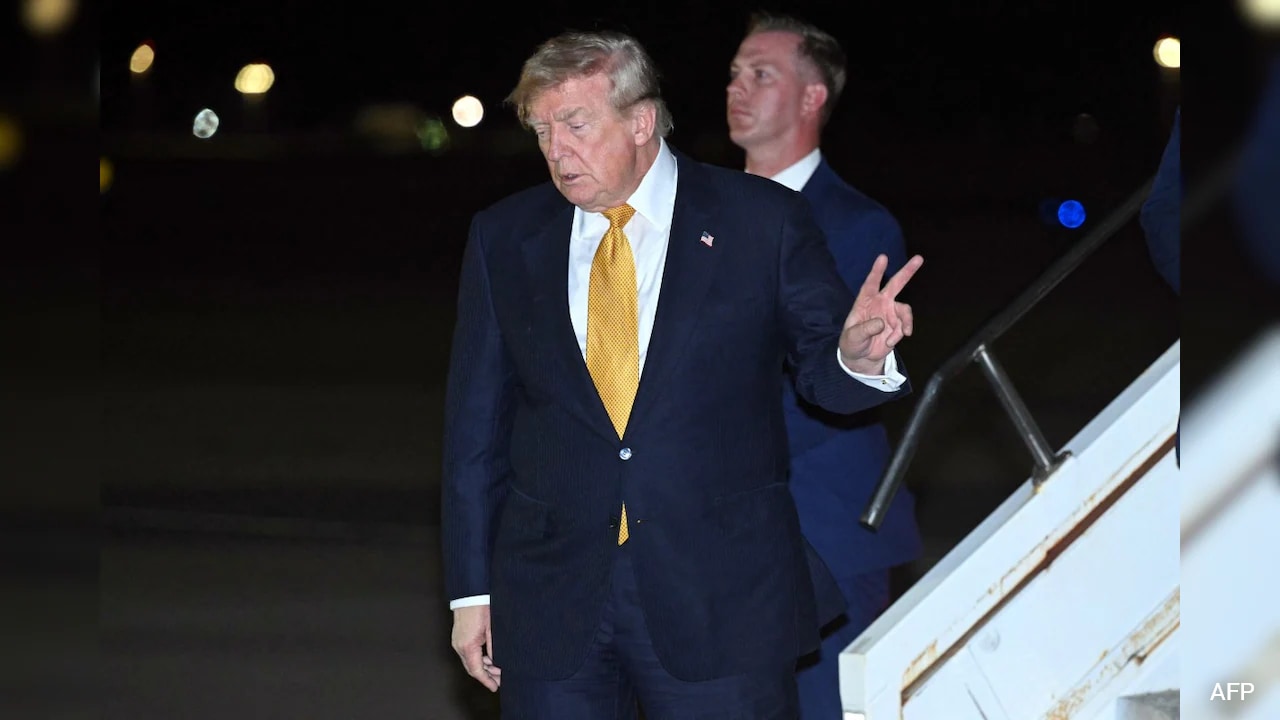
President Donald Trump warned that if Tehran keeps targeting ships in the Strait of Hormuz, U.S. bombing campaigns will markedly increase. The statement was made as he returned from the NATO summit in Turkey.
Returning from the NATO summit in Turkey, President Donald Trump delivered a stark warning to Iran, stating that continued attacks on vessels navigating the Strait of Hormuz would trigger a significant escalation in U.S. bombing operations. The declaration underscores the heightened tension in American foreign policy, where Iranian maritime aggression is framed as a direct threat to national security.
Strategic Importance of the Strait of Hormuz
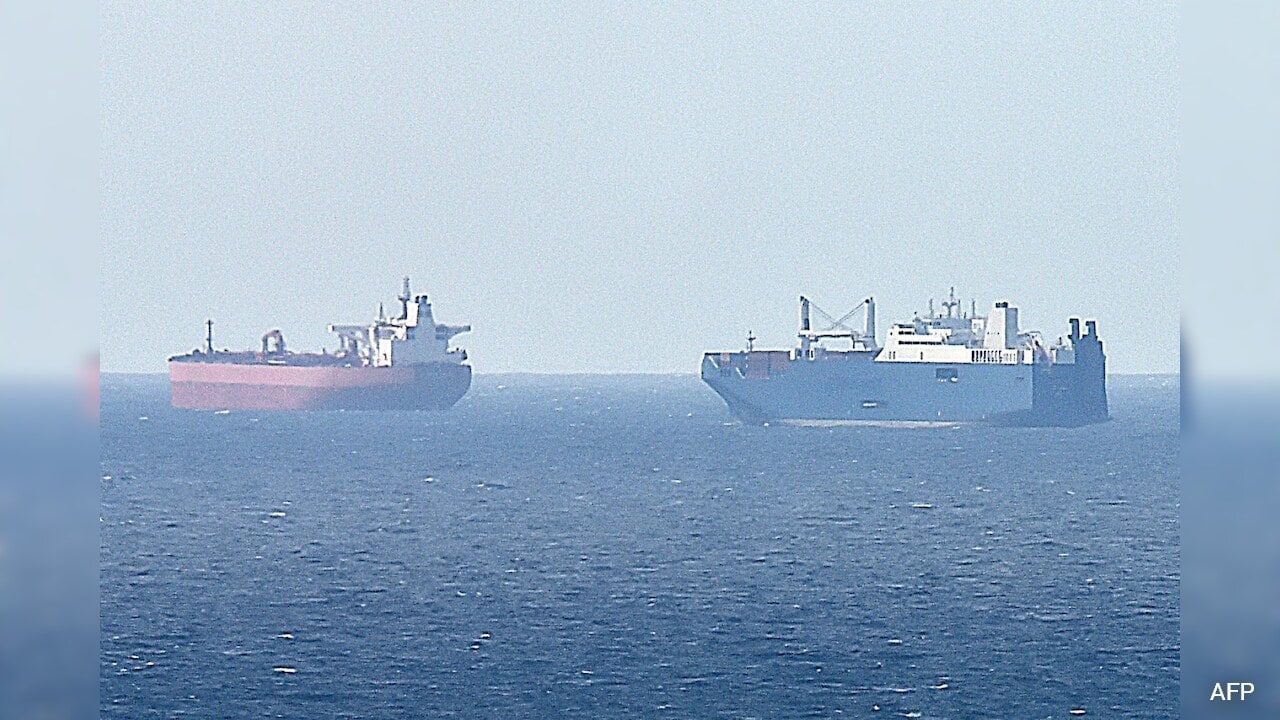
The Strait of Hormuz is a vital chokepoint for global energy markets, handling roughly five percent of the world’s oil exports daily. Its security is crucial not only for Gulf oil producers but also for the stability of worldwide energy prices. Recent months have seen a series of Iranian drone and missile strikes in the waterway, prompting shipping firms to label the corridor a high‑risk zone.
Historical Context of U.S.–Iran Relations
U.S.–Iran tensions date back to the 1979 Islamic Revolution and the hostage crisis at the American embassy. Since then, the two nations have endured multiple rounds of sanctions, military confrontations, and diplomatic deadlocks. The 2015 Iran nuclear deal (JCPOA) briefly eased hostilities, but the Trump administration’s 2018 withdrawal and reinstatement of sweeping sanctions reignited friction.
Potential Consequences of Trump’s Warning
Should Iran disregard the warning, analysts anticipate a range of possible actions: intensified U.S. air strikes over the Strait, an expanded naval presence, and a possible increase in American forces stationed in Iraq and Syria. Such moves could push global oil prices upward and raise maritime insurance premiums, as shipping companies factor heightened risk into their calculations.
International Community’s Reaction
The United Nations and the European Union have expressed alarm over the escalating rhetoric, urging both sides to pursue diplomatic avenues. Iran, defending its naval security posture, has labeled any prospective U.S. bombing campaign "unwanted" and counter‑productive.
Ultimately, the trajectory will hinge on whether Tehran alters its maritime tactics and whether the Trump administration can balance coercive pressure with diplomatic outreach. The outcome will shape not only regional stability but also the broader architecture of global energy security.