U.S. Central Command announced new air strikes against Iran in the strategic Hormuz Strait. President Trump warned Tehran that further aggression would lead to a harsher response. The moves follow Iran’s recent attacks on commercial vessels and aim to curb its naval threat.
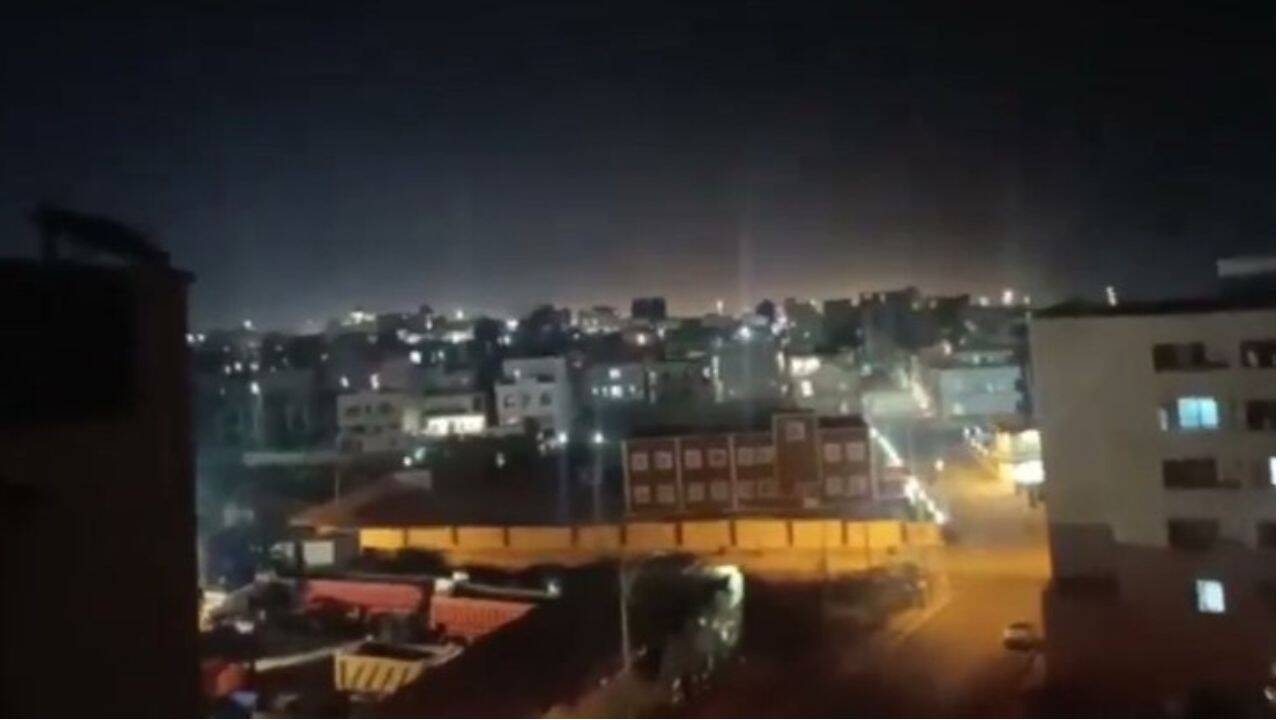
The United States on Thursday, July 9, 2026, began a fresh wave of air strikes against Iran in the geopolitically critical Hormuz Strait. The operation, ordered by the U.S. Central Command (CENTCOM), was described as a retaliation for what Washington calls Tehran’s “unjustified aggression” against commercial shipping.
Background and Trigger
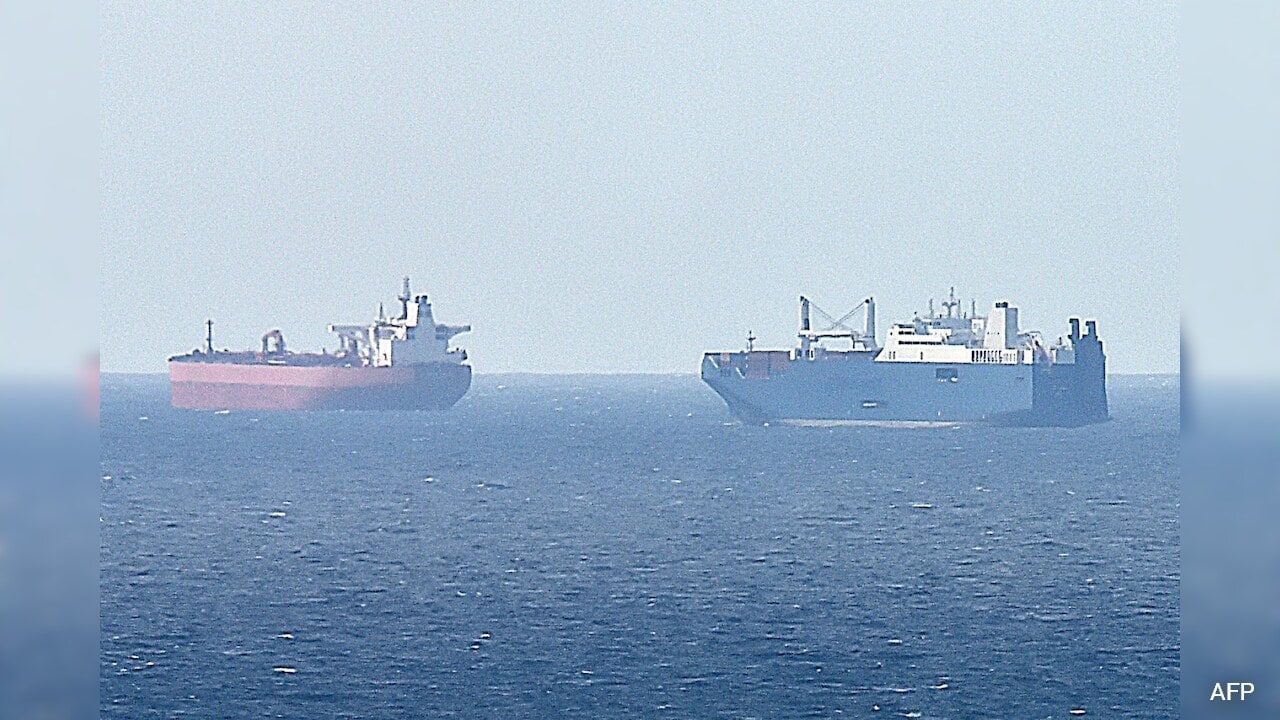
Earlier this week, Iranian forces targeted several merchant vessels off the coast of Oman, causing damage to cargo and endangering civilian crews. In response, U.S. naval assets struck a series of Iranian military installations and port facilities, marking a rapid escalation after weeks of diplomatic warnings.
Trump’s Public Threats
President Donald Trump took to his Truth Social platform, stating, “If it happens again, it will get much worse!” He added that the United States might “hit them hard again tonight,” while insisting that the conflict would not become a “long‑term” engagement. Trump also revived earlier threats to target Iran’s civilian infrastructure, including power plants, desalination facilities, and the oil‑rich Kharg Island.
Strategic Implications
The Hormuz Strait is one of the world’s busiest oil corridors, moving roughly 20% of global oil supplies. Continued instability could trigger a surge in oil prices and disrupt supply chains across Europe and Asia. International bodies, including the European Union and Asian Pacific partners, have urged restraint and called for diplomatic channels to de‑escalate the situation.
Potential Outcomes
Analysts warn that without a diplomatic breakthrough, the conflict could spiral into a broader regional war. The U.S. is likely to maintain a heightened naval presence, while Iran may bolster its maritime capabilities. Global markets are watching closely, as any prolonged disruption could reverberate through energy markets, inflation rates, and geopolitical alliances.