U.S. President Donald Trump announced a large‑scale nighttime attack on Iran during the NATO summit in Turkey, heightening already fraught U.S.–Iran tensions. The statement threatens to unravel the fragile cease‑fire and could reshape regional security dynamics.
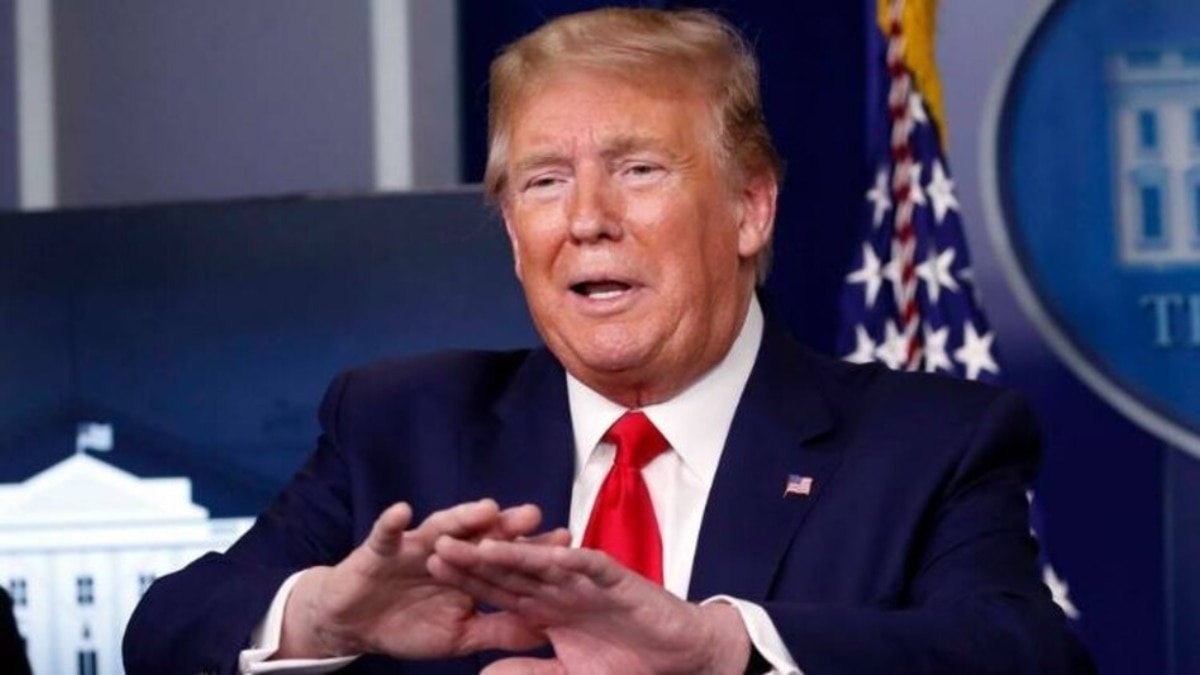
New Delhi, July 8, 2026 – U.S. President Donald Trump warned journalists at the NATO summit in Ankara that "we will launch a massive attack on Iran tonight." The declaration comes hours after the United States carried out airstrikes on more than 80 Iranian sites, and it could further destabilise an already volatile Middle‑East security environment.
Background and Current Tensions
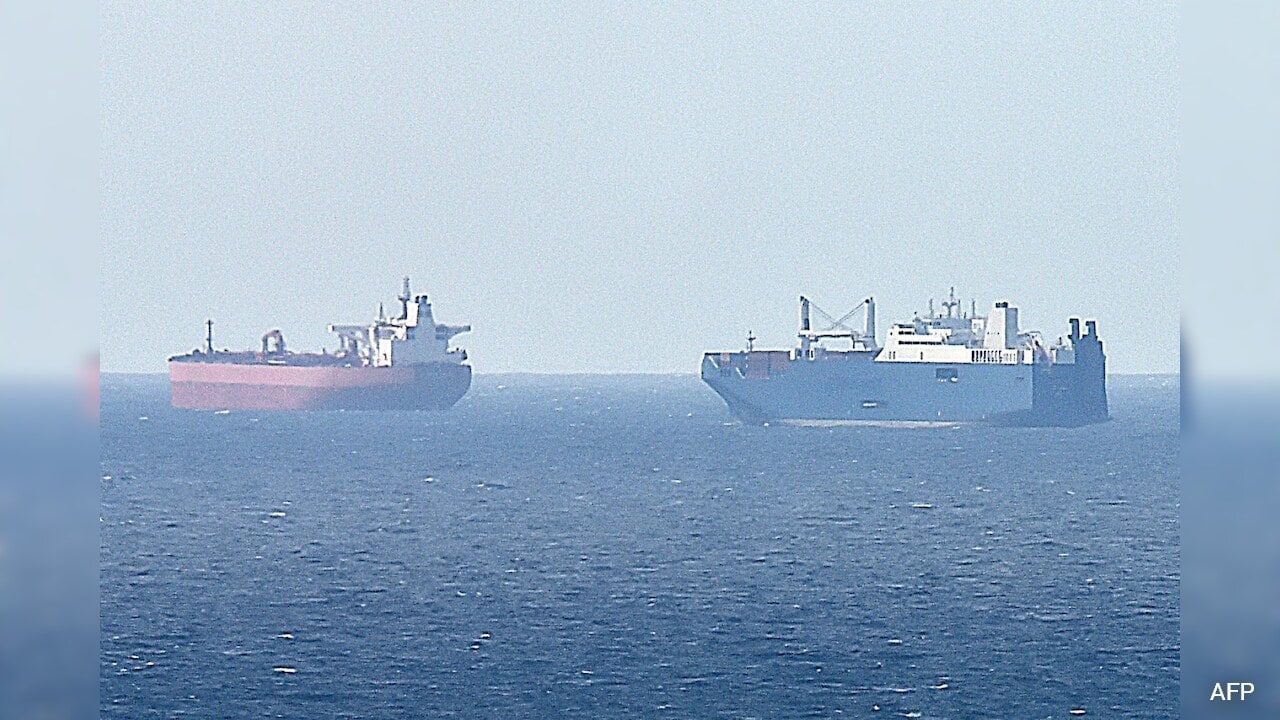
In the past fortnight, the relationship between Washington and Tehran has deteriorated sharply. The U.S. Air Force has targeted Iranian military installations across the region, while Iran has responded with defensive actions against U.S. naval vessels in the Strait of Hormuz. Both sides accuse each other of violating the recently brokered cease‑fire agreement, raising the spectre of a broader confrontation.
Trump’s New Threat
Trump declared, "I’m giving Iran a tiny warning, but tonight we will hit them hard." He added that the United States could target Iran’s electricity grid, water facilities, and re‑impose a naval blockade in Hormuz. Moreover, he hinted at a possible seizure of the strategic Kharg Island, Iran’s primary oil‑export hub. Such a sweeping military strategy, if executed, would likely trigger a sharp spike in global oil prices and ripple through energy markets worldwide.
U.S. Defense Department Response
Defense Secretary Pete Hegseth confirmed that Iranian infrastructure is now on the U.S. targeting list and that "even more massive attacks" could follow if deemed necessary. He also reported that U.S. naval forces have already destroyed 28 Iranian vessels overnight, signalling a readiness for further escalation.
Iran’s Counter‑Narrative
Iranian Parliament Speaker Mohammad Bagher Ghalibaf rebuked the American threats, calling them a "never‑ending cycle of intimidation" and asserting that Iran will not bow to pressure. He warned that the recent U.S. strikes breach the cease‑fire accord and promised a "proportionate" response to every American aggression. The international community, particularly the EU and the United Nations, has urged both parties to return to diplomatic channels.
Implications and Outlook
If Trump’s warnings translate into action, the Middle East could see a full‑scale military clash, jeopardising regional stability and global energy security. Analysts caution that relying on brute force rather than diplomacy may lock both nations into a costly spiral, making it harder to restore a sustainable peace.