President Donald Trump vowed a "hard" retaliation after Iranian attacks on ships in the Strait of Hormuz, prompting the United States to launch a new wave of air strikes. Both sides claim to have hit dozens of targets, driving oil prices higher and inflaming regional tensions.
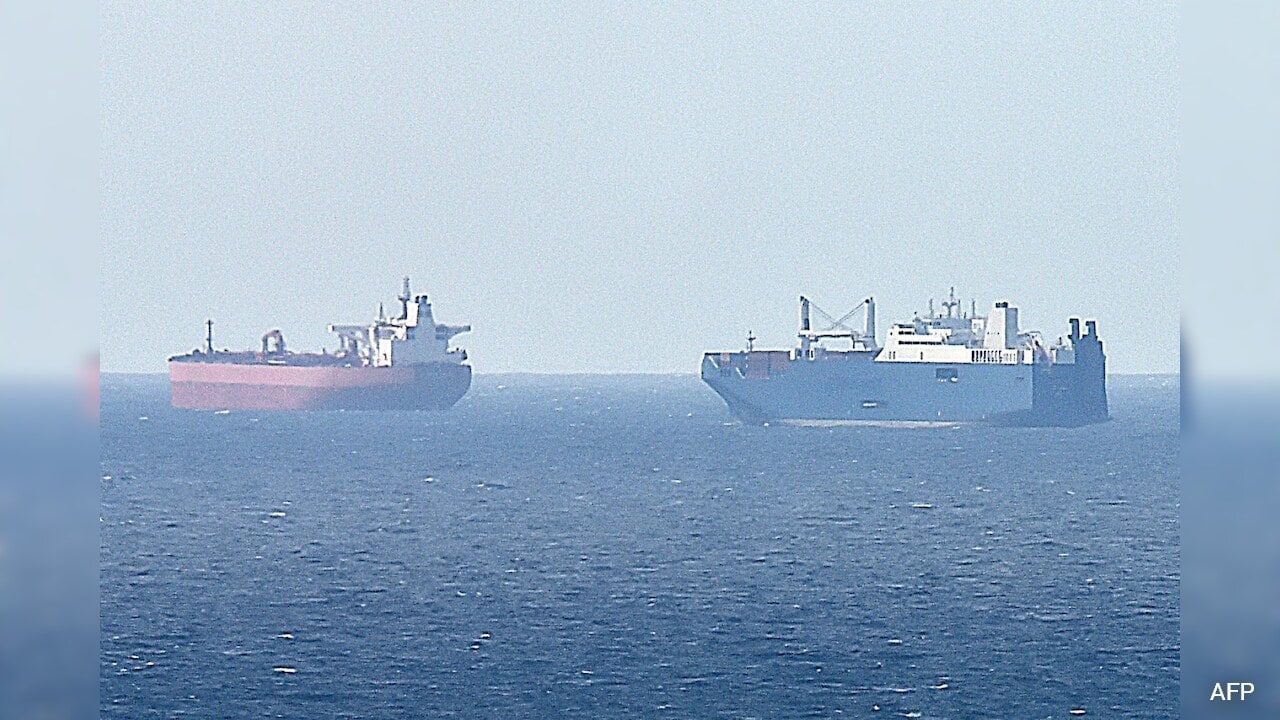
The United States carried out a fresh series of air strikes against Iran on July 8, 2026, after President Donald Trump pledged a "hard" response to Tehran’s recent attacks on commercial vessels in the Strait of Hormuz. The operation was announced by U.S. Central Command (CENTCOM), which said the strikes were intended to degrade Iran’s ability to threaten freedom of navigation through the strategically vital waterway.
Strategic Context
The Strait of Hormuz channels roughly one‑fifth of the world’s oil and liquefied natural gas shipments. Iran has long asserted its right to levy transit fees and to target vessels that deviate from routes it deems authorized, while the United States insists on unimpeded passage for global commerce. Tensions first flared in late February 2026 when U.S.–Israeli strikes killed Iran’s supreme leader Ali Khamenei, setting the stage for an escalating confrontation.
Details of the Latest Strikes
CENTCOM reported that more than 80 Iranian targets were hit on Tuesday, including air‑defence systems, coastal radar installations and 60 IRGC fast‑attack boats. In retaliation, Iran struck U.S. facilities in Kuwait and Bahrain, claiming to have hit dozens of American military sites. A U.S. military spokesperson confirmed that all Iranian‑launched missiles and drones were intercepted or failed to cause significant damage.
Economic and Humanitarian Impact
Following Trump’s declaration that the cease‑fire was “over,” oil prices surged by about 8%, adding volatility to global markets. The International Maritime Organization estimates that roughly 6,000 seafarers remain stranded in the Hormuz corridor, highlighting the humanitarian fallout of the renewed hostilities. Oman, maintaining a neutral stance, has proposed a temporary transit corridor hugging its coastline to keep commercial traffic moving.
Diplomatic Efforts and Outlook
U.N. Secretary‑General António Guterres called on all parties to exercise "maximum restraint," echoing pleas from mediators Pakistan and Qatar. Iran’s foreign minister Abbas Araghchi and Qatar’s prime minister discussed the crisis by phone, emphasizing diplomatic solutions. Analysts warn that without a swift diplomatic breakthrough, the cycle of retaliation could further depress oil markets and destabilize the broader Middle‑East security architecture.