President Donald Trump announced at the NATO summit that the ceasefire with Iran is over and that the US will reinstate a naval blockade of the Strait of Hormuz, heightening regional tensions in West Asia. The move threatens to plunge the region into a new cycle of retaliation.
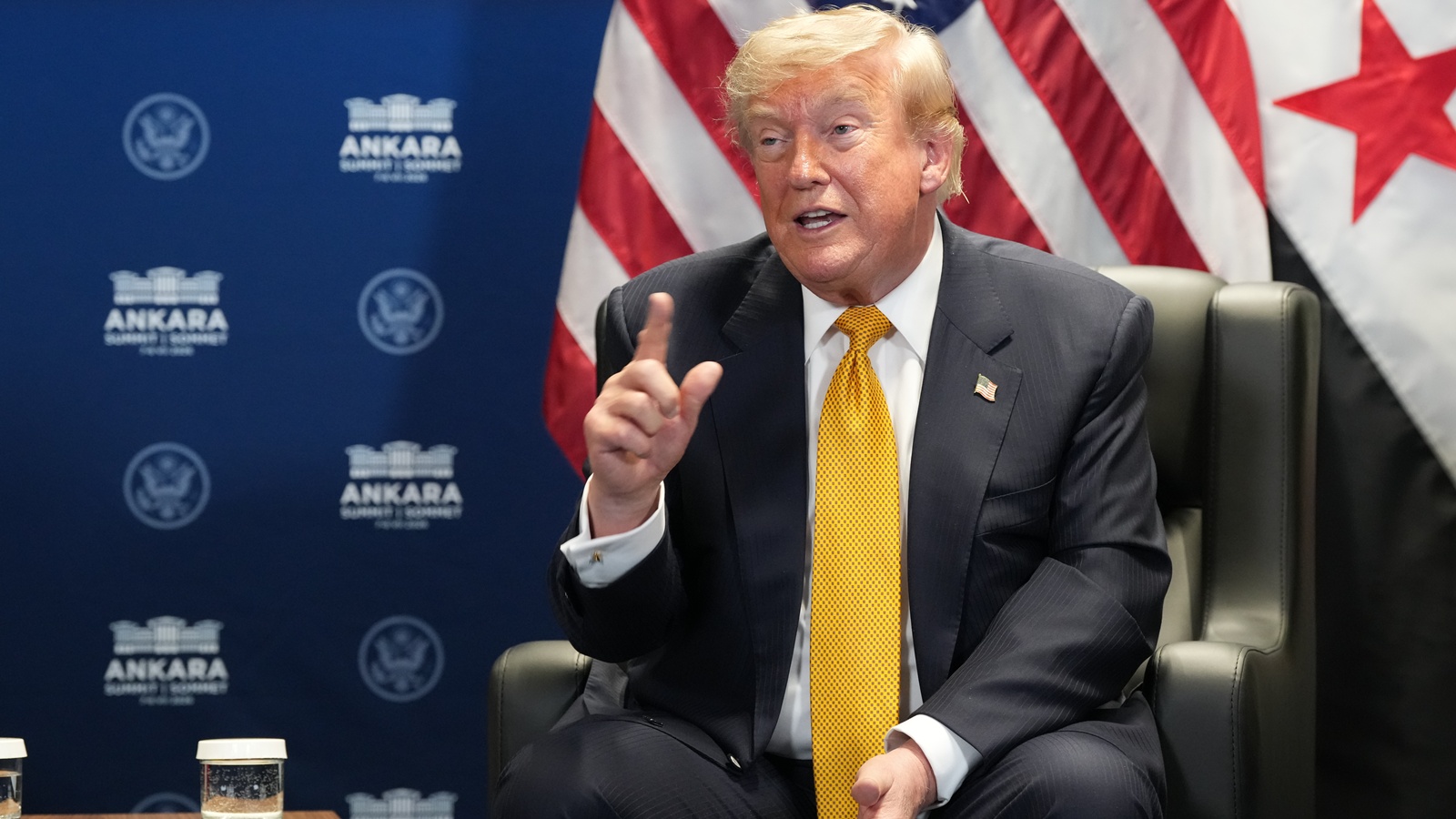
U.S. President Donald Trump used his remarks at the NATO summit in Ankara to state unequivocally that the Washington‑Iran ceasefire “is over.” He labelled Iran’s leadership as "scum" and "sick people," and pledged to re‑impose a naval blockade of the strategically vital Strait of Hormuz. The declaration has added a volatile new layer to an already tense West Asian security environment.
Background and Current Situation
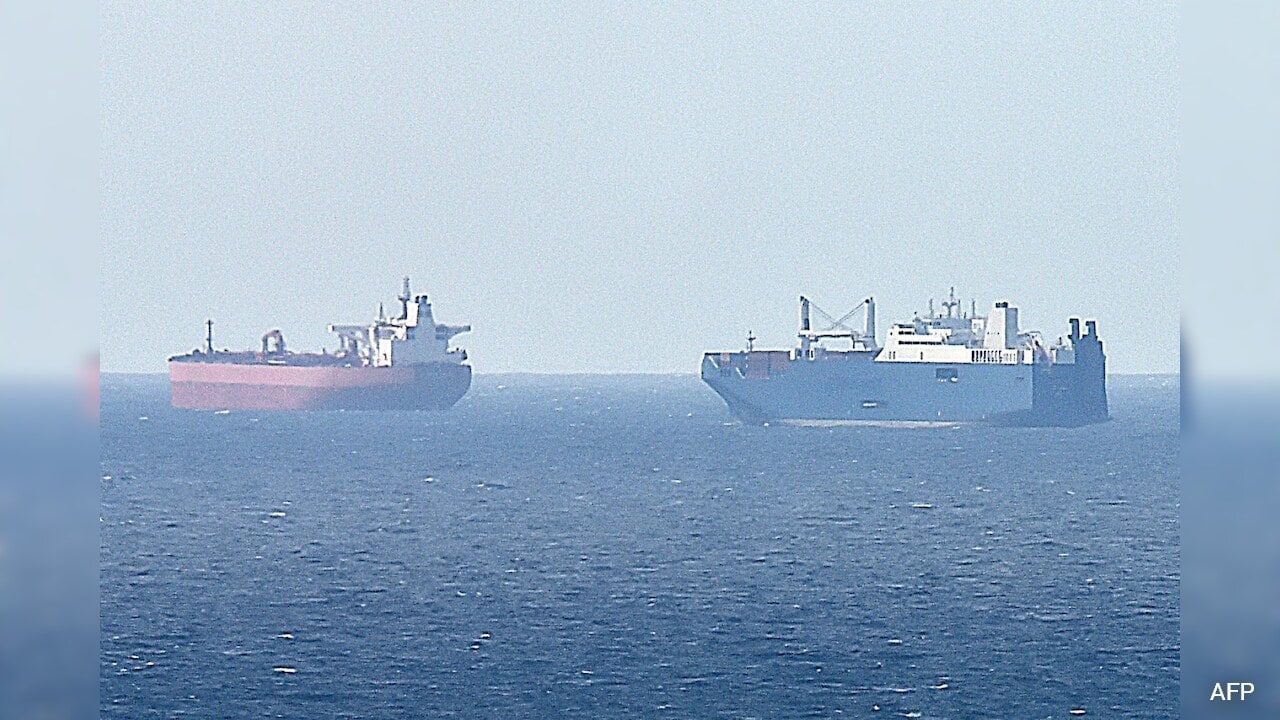
Relations between Washington and Tehran have been fraught since the 1979 Islamic Revolution, marked by sanctions, cyber‑attacks, and diplomatic stand‑offs. In recent weeks, the Trump administration secured a tentative Memorandum of Understanding (MoU) with Iran intended to safeguard commercial shipping and prevent accidental clashes. However, Tehran’s alleged attacks on three vessels transiting the Strait of Hormuz prompted Washington to accuse Iran of breaching the accord, effectively nullifying the agreement.
Strategic Importance of the Strait of Hormuz
The Strait of Hormuz is a chokepoint through which roughly 20% of global oil passes daily. Any disruption can trigger sharp spikes in oil prices and destabilise world markets. The U.S. Navy has maintained a constant presence there for decades, citing freedom of navigation, while Iran views the waterway as a sovereign asset that it can control during periods of conflict.
Risks and Potential Outcomes
In retaliation, Iran launched strikes on U.S. naval installations in Bahrain, home to the Fifth Fleet. Analysts warn that a tit‑for‑tat escalation could evolve into a protracted conflict, with severe economic and humanitarian repercussions for the broader Middle East. The clash also forces global powers—EU, China, Russia—to reassess their strategic calculations, while countries like India and Japan must contemplate alternative shipping routes to protect their trade interests.
Moreover, the legality of the United States’ military response under international maritime law is being questioned. CENTCOM described the operations as “powerful strikes intended to impose heavy costs on those who target civilian vessels in international waters.” Whether such actions constitute legitimate self‑defence or unlawful aggression will likely be examined in international courts.
Diplomatic Path Forward
Re‑establishing dialogue between Washington and Tehran remains the only viable avenue to prevent a full‑scale war. Both sides possess strategic incentives to avoid a prolonged maritime conflict: the U.S. wishes to keep oil supplies flowing, and Iran seeks to preserve its regional influence without inviting harsher sanctions.
In sum, Trump’s hard‑line rhetoric and the ensuing Iranian retaliation signal a dangerous new phase in US‑Iran relations, where economic interests, energy security, and geopolitical calculations intersect. The coming weeks will reveal whether diplomatic overtures can still salvage the fragile peace or if the region is headed toward another prolonged standoff.