The US Central Command (CENTCOM) has initiated a new wave of air strikes against Iran, aiming to diminish Tehran's ability to threaten freedom of navigation through the Strait of Hormuz. The move follows President Donald Trump's hint at possible further military action against the Islamic Republic.
The United States Central Command (CENTCOM) announced on Thursday a fresh series of air strikes against Iran, designed to further degrade Tehran's capacity to endanger the free flow of navigation through the Strait of Hormuz. The action comes after President Donald Trump signaled the potential for additional military steps against the Islamic Republic.
Strategic Importance of the Strait
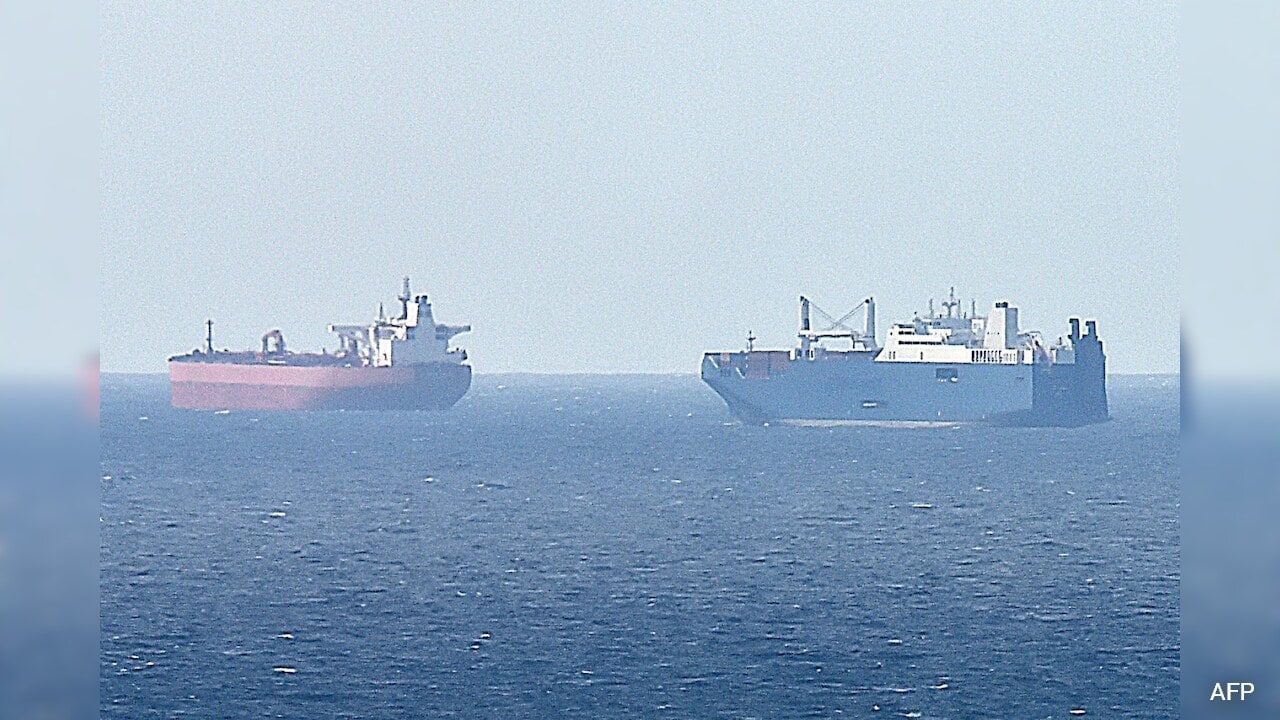
The Hormuz Strait is one of the world’s most vital maritime chokepoints, with roughly 20% of global oil shipments passing through it daily. Any disruption here can ripple through global energy markets and maritime security. Over the past few years, Iran’s rhetoric about threatening the strait has heightened tensions with the United States.
Trump’s Statements and the New Offensive
Trump publicly asserted that "we’ll probably hit them hard again tonight" and emphasized that the ongoing skirmish would not evolve into a long‑term military campaign. Shortly thereafter, CENTCOM posted on X that, "At the direction of the Commander in Chief, US Central Command forces have started conducting additional strikes against Iran to further degrade their ability to threaten freedom of navigation in the Strait of Hormuz."
Iranian Media’s Reaction
Iranian state outlets reported explosions in the port city of Bandar Abbas and the coastal town of Sirik, indicating that the US attacks also targeted Iranian military and port infrastructure. Such reports underscore the escalating tit‑for‑tat between the two nations.
Implications and International Response
Security analysts warn that continued escalation could lead to a broader regional conflict, jeopardizing stability across the Middle East. Meanwhile, diplomatic actors—including the European Union and China—are urging restraint and calling for a return to dialogue to prevent a maritime crisis.
By holding Iran accountable for what it calls "unjustified aggression against commercial shipping," the United States is signaling a red line on violations of international maritime law, while Tehran remains steadfast in defending its strategic interests. The coming weeks will likely determine whether diplomacy can defuse the situation or whether the conflict will spiral further.