Following Iranian attacks on commercial vessels in the Strait of Hormuz, the United States carried out fresh airstrikes on Iran. The escalation has weakened the interim ceasefire, unsettled markets and raised the specter of a broader regional conflict.
The United States announced a fresh round of airstrikes against Iran on Wednesday, a day after Iranian forces targeted commercial shipping in the strategically vital Strait of Hormuz. The retaliation has cast serious doubt on the fragile interim ceasefire, sparked volatility in global markets and revived fears of a wider Middle‑East war.
Strategic Context
Hormuz controls roughly 20% of the world’s oil and natural‑gas shipments, making it a perennial flashpoint for geopolitical rivalry. Since the escalation of the Ukraine conflict in 2024, Tehran has leveraged the waterway to pressure Western shipping, prompting diplomatic efforts that culminated in a temporary cease‑fire between Washington and Tehran. That agreement has always been precarious, dependent on both sides refraining from direct attacks on each other’s assets.
Latest Developments
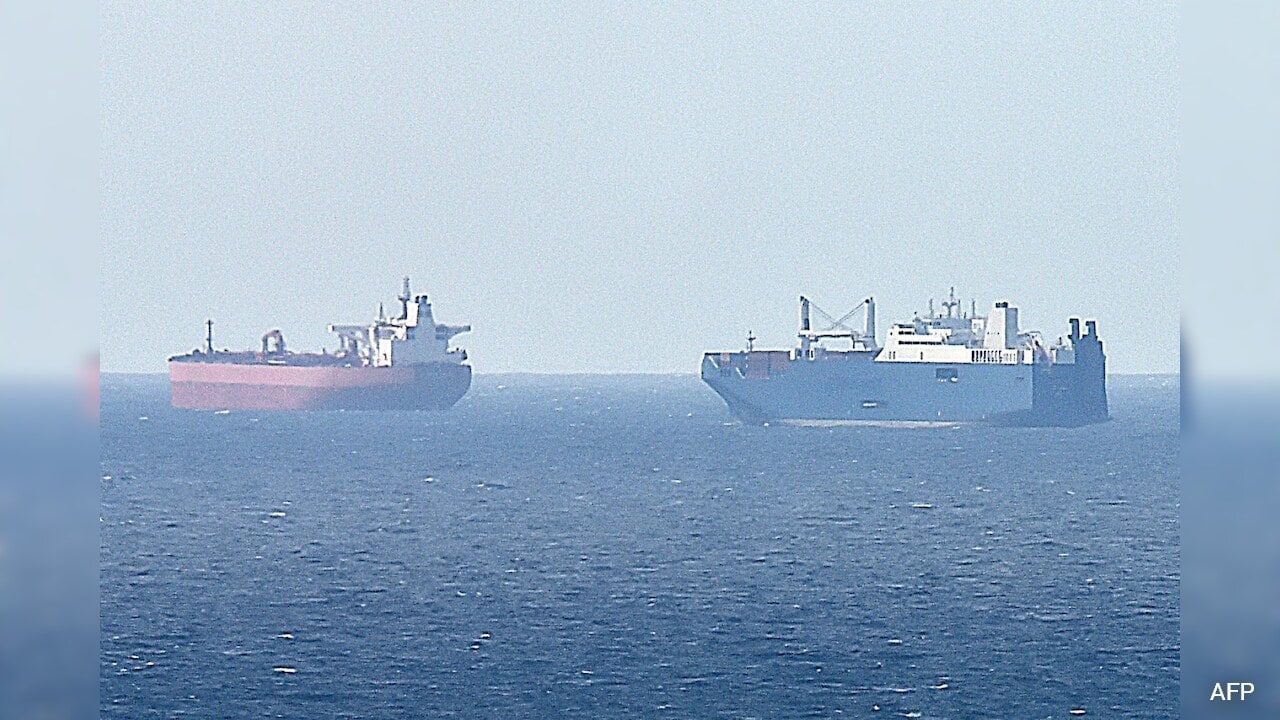
After three tankers were struck by Iranian drones and missiles, U.S. Central Command reported that American jets hit Iranian air‑defence installations, radar sites and more than 60 small boats operated by the Islamic Revolutionary Guard Corps (IRGC). The command said the strikes were intended to “impose heavy costs” on Iran for targeting civilian‑crewed vessels in an international waterway. In response, Iranian forces fired at U.S. military positions in the Persian Gulf, setting off a classic tit‑for‑tat exchange.
Political Reactions
President Donald Trump, speaking on the sidelines of a NATO summit in Ankara, declared that the interim cease‑fire was effectively “over” and warned that the United States would “hit them hard again tonight.” He later softened the tone, insisting the exchange would not spiral into a full‑scale war, yet his remarks added confusion to ongoing diplomatic channels. Iran’s Parliament Speaker Mohammad Bagher Qalibaf countered on X, stating that “the era of bullying and extortion is over,” while Deputy Foreign Minister Kazem Gharibabadi dismissed Trump’s statements as an admission of U.S. policy failure.
Economic and Security Implications
The immediate effect of the renewed hostilities was a jump in oil prices, reflecting market anxiety over potential disruptions to the Hormuz chokepoint. Missile alerts were also issued in Bahrain—home to the U.S. Navy’s Fifth Fleet—and Kuwait, where American ground forces are stationed. Rising energy, fertilizer and food prices are already pressuring economies worldwide, and this flare‑up threatens to deepen the global cost‑of‑living crisis.
Future Outlook
Internal divisions within Iran’s leadership are becoming apparent. Hard‑liners seek permanent control over the strait, while pragmatists push for a comprehensive peace deal that would lift sanctions and alleviate economic hardship. Negotiations for a final settlement were slated to begin after the funeral of Supreme Leader Ayatollah Ali Khamenei, but the recent attacks could delay talks for weeks. The United States, meanwhile, has signaled a willingness to continue limited strikes while keeping diplomatic channels open, a delicate balancing act that will determine whether the cease‑fire can survive.
In sum, the fresh U.S. strikes and Iran’s retaliatory actions have placed the already tenuous truce under renewed strain, with significant ramifications for regional stability and global energy markets.